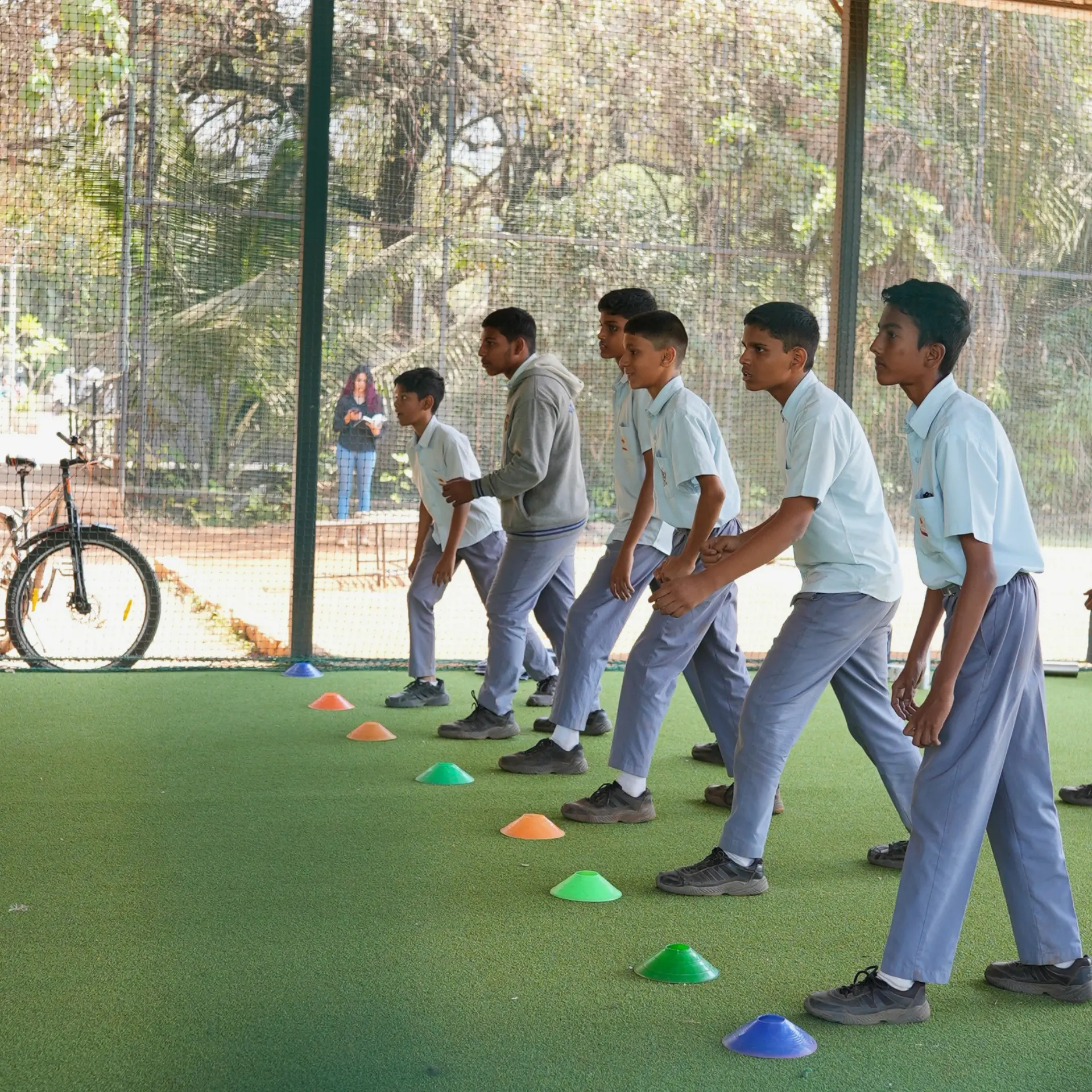
Outdoor activities for children have become more important than ever in the age of social media, screens, and digital entertainment. Across the world, parents and educators are increasingly concerned that children are spending less time outdoors and more time sitting indoors with devices. While technology is now a part of everyday life, research consistently shows that outdoor play remains essential for healthy physical, emotional, and cognitive development.
Children today are growing up in an environment where screens compete constantly for attention. Studies across child development and public health suggest that increased screen exposure is often linked with lower physical activity, reduced outdoor play, disrupted sleep, and attention challenges. Outdoor activity helps restore balance by encouraging movement, curiosity, social interaction, and emotional well-being.
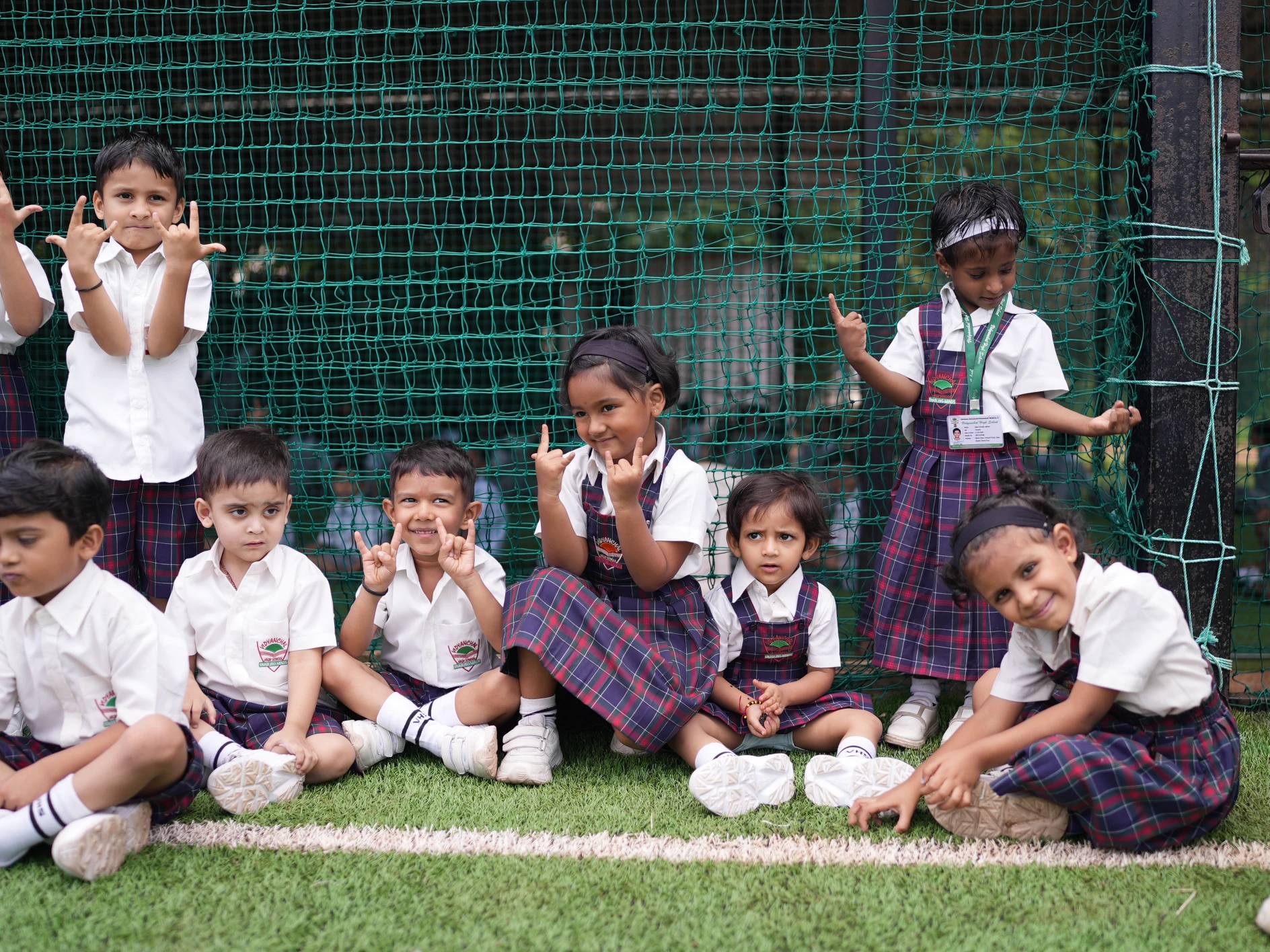
At Vidyanchal High School, outdoor learning, sports, and movement are recognised as essential parts of holistic student development—not simply “break time” from academics.
Why Outdoor Activities Matter More Today
Modern childhood has changed dramatically over the last decade.
Research shows:
- Nearly 40% of preschool-aged children spend one hour or less outdoors on weekdays.
- Studies across multiple countries show recreational screen time among children continues to rise significantly.
- The WHO recommends that children spend less sedentary time and engage in more active play for healthy development.
Outdoor activity benefits children by improving:
- Physical health
- Attention span
- Emotional regulation
- Social confidence
- Sleep quality
- Creativity and imagination
Research also suggests outdoor play can reduce some of the developmental impacts linked with excessive screen time.
Curious how Vidyanchal High School balances academics with movement, sports, and holistic growth?
Choosing the Safest Timing for Outdoor Activities
In cities like Pune, weather conditions matter greatly when planning outdoor activities for children—especially during summer and monsoon months.
Best Outdoor Timing
Morning
- Ideal: 6:30 AM – 9:00 AM
- Cooler temperatures
- Better air quality
- Lower risk of dehydration
Evening
- Ideal: 5:00 PM – 7:00 PM
- Reduced heat exposure
- Comfortable for sports and play
Avoid intense outdoor play during:
- Peak afternoon heat (11 AM – 4 PM)
- Extremely humid monsoon conditions
- Thunderstorms or unsafe weather
Children regulate body temperature less efficiently than adults, making them more vulnerable to overheating and dehydration during high temperatures.
Hydration: The Most Overlooked Outdoor Rule
Many children continue playing even when thirsty. By the time children complain about dehydration, they may already be fatigued.
Signs of dehydration can include:
- Headache
- Irritability
- Fatigue
- Dry lips
- Reduced concentration
- Dizziness
Simple hydration habits:
- Drink water before going outside
- Carry personal water bottles
- Take water breaks every 20–30 minutes during intense play
- Increase fluids during hot or humid weather
Studies on children’s physical activity consistently show hydration directly affects concentration, mood, and physical performance.
At Vidyanchal High School (VHS), sports and activity environments encourage regular hydration routines so children develop healthy self-care habits early.
Learn more about the philosophy and vision guiding Vidyanchal High School.
The Importance of Free Outdoor Play
Not every outdoor activity needs to be a structured sport.
Unstructured outdoor play helps children:
- Solve problems independently
- Develop imagination
- Improve social interaction
- Build confidence and decision-making skills
Child development experts increasingly warn about the decline of “free play” because it supports executive functioning, creativity, and emotional resilience.
Examples:
- Cycling
- Nature walks
- Running games
- Ball play
- Jump rope
- Exploration-based play
Children often learn cooperation, negotiation, and leadership naturally through outdoor interaction.
Outdoor Play vs Screen Time
One of the biggest reasons outdoor activity matters today is because it competes directly with screen habits.
Research involving children aged 3–11 found:
- Over 54% of older children exceeded two hours of daily screen time.
- Higher screen exposure has been associated with lower communication and daily living skills in some developmental studies.
- Outdoor play may help reduce some negative effects linked to excessive screen use.
Outdoor activity provides something screens cannot:
- Physical movement
- Real-world social interaction
- Sensory experiences
- Environmental awareness
The goal is not to eliminate technology entirely but to create balance.
Essential Outdoor Safety Rules for Children
Children enjoy freedom more when boundaries are clear.
Important Outdoor Rules
1. Stay Visible
Children should remain within visible or agreed boundaries.
2. Never Leave Alone Unexpectedly
Teach children to inform adults before moving to another area.
3. Carry Water
Even short outdoor sessions require hydration awareness.
4. Wear Weather-Appropriate Clothing
Caps, breathable clothing, and proper footwear matter.
5. Teach Road and Traffic Awareness
Cycling or outdoor games near roads require supervision.
6. Respect Weather Conditions
Avoid outdoor activity during lightning or extreme heat.
Children who understand outdoor rules develop safer independence.
Why Outdoor Activities Improve Learning Too
Outdoor movement supports academics more than many parents realise.
Research suggests active outdoor play is associated with:
- Better attention and focus
- Reduced sedentary behaviour
- Improved emotional regulation
- Stronger cognitive development
Children who move regularly often return to classrooms calmer, more focused, and more emotionally balanced.
This is why schools that value holistic education integrate physical activity alongside academics.
Explore how Vidyanchal High School supports students in Primary school.
Encouraging Outdoor Activities in Older Children
As children grow older, screen attraction increases.
Parents can encourage outdoor habits by:
- Scheduling sports consistently
- Creating tech-free outdoor time
- Encouraging cycling or walking
- Planning family outdoor activities
- Allowing children to choose activities they enjoy
Older children are more likely to stay active when outdoor time feels social and enjoyable rather than forced.
The Emotional Benefits of Outdoor Play
Outdoor activity also supports mental well-being.
Studies and child psychologists increasingly associate outdoor play with:
- Lower stress
- Better mood regulation
- Improved confidence
- Reduced anxiety symptoms
- Better sleep quality
Natural environments help children reset mentally in ways that passive screen entertainment often cannot.
Outdoor Activities Build Real-World Skills
Outdoor experiences teach:
- Teamwork
- Risk assessment
- Independence
- Communication
- Leadership
- Adaptability
These are life skills children carry far beyond school.
At Vidyanchal High School, movement, sports, and active participation are encouraged because healthy development involves both mind and body.
Explore the vibrant events and student experiences at Vidyanchal High School.
Final Thoughts
Outdoor activities for children are no longer optional extras in the digital age—they are essential for healthy development. As screen time continues to rise globally, outdoor movement, fresh air, physical play, and real-world interaction become even more valuable.
Safe timing, proper hydration, clear outdoor rules, and balanced routines help children enjoy the benefits of outdoor activity while staying protected.
At Vidyanchal High School, outdoor experiences are seen as an important part of holistic education because healthy, active children often become more focused, confident, and emotionally balanced learners.
In a world increasingly shaped by screens, outdoor play remains one of childhood’s most powerful essentials.
FAQs
1. How much outdoor activity should children get daily?
Children should ideally get at least 60 minutes of physical activity every day.
2. What is the safest time for outdoor play in summer?
Early mornings and evenings are safest, avoiding peak afternoon heat.
3. How can parents reduce screen time naturally?
Encouraging fun outdoor activities and family playtime helps reduce excessive screen use.
4. Why is hydration important during outdoor activities?
Proper hydration helps prevent fatigue, headaches, overheating, and low concentration.
5. Are outdoor activities important for academic performance too?
Yes. Regular physical activity supports better focus, emotional balance, and classroom attention.