Healthy habits for kids during monsoon become especially important as schools reopen, outdoor conditions change, and seasonal illnesses become more common. While the rainy season brings cooler weather, greenery, and excitement for children, it also brings challenges such as infections, reduced physical activity, irregular routines, and hygiene concerns.
For parents, the monsoon season is not just about raincoats and umbrellas—it is about helping children maintain healthy habits that support their physical well-being, emotional balance, and academic readiness. Small daily routines can make a significant difference in helping children stay active, energetic, and prepared throughout the season.
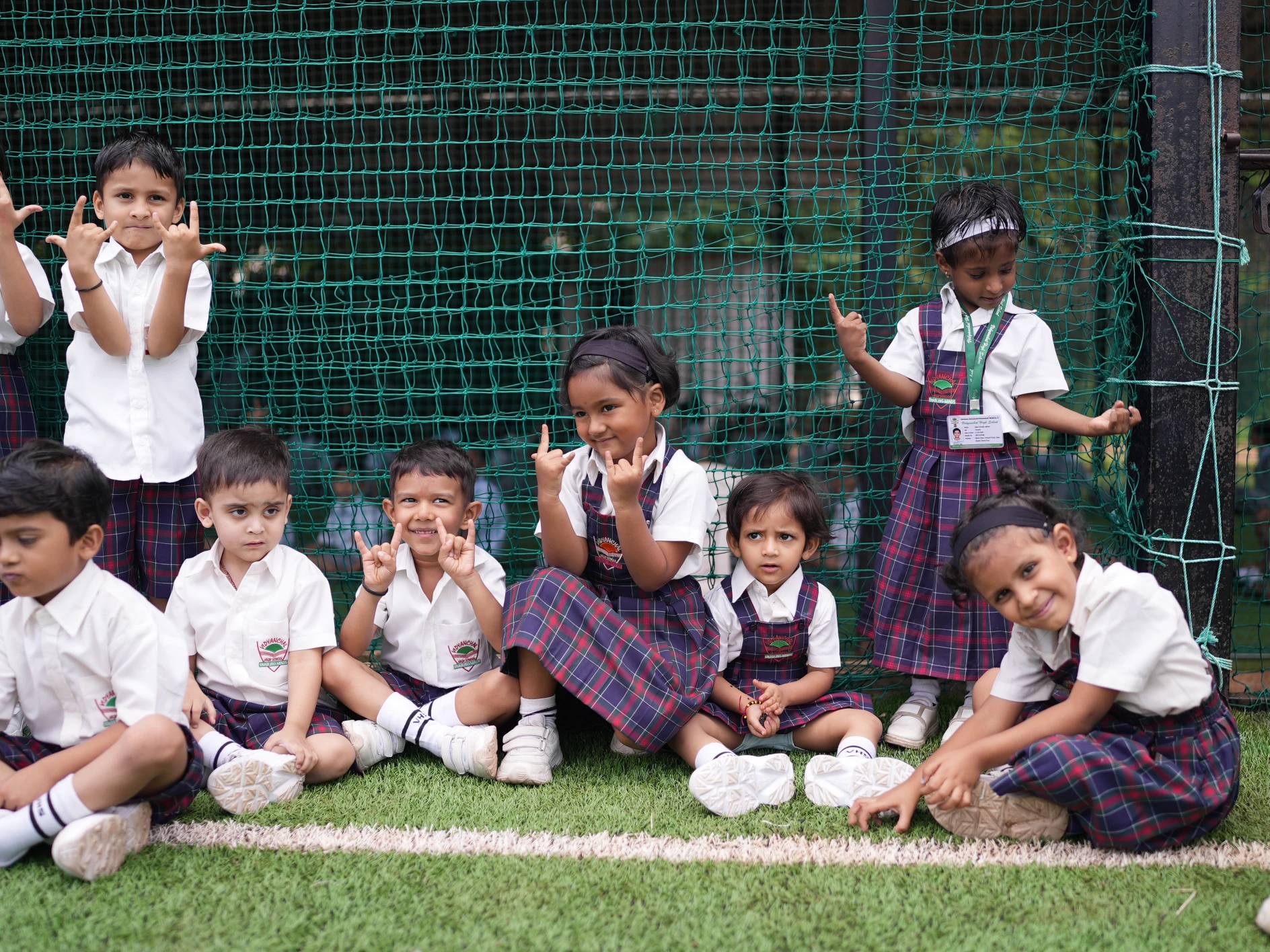
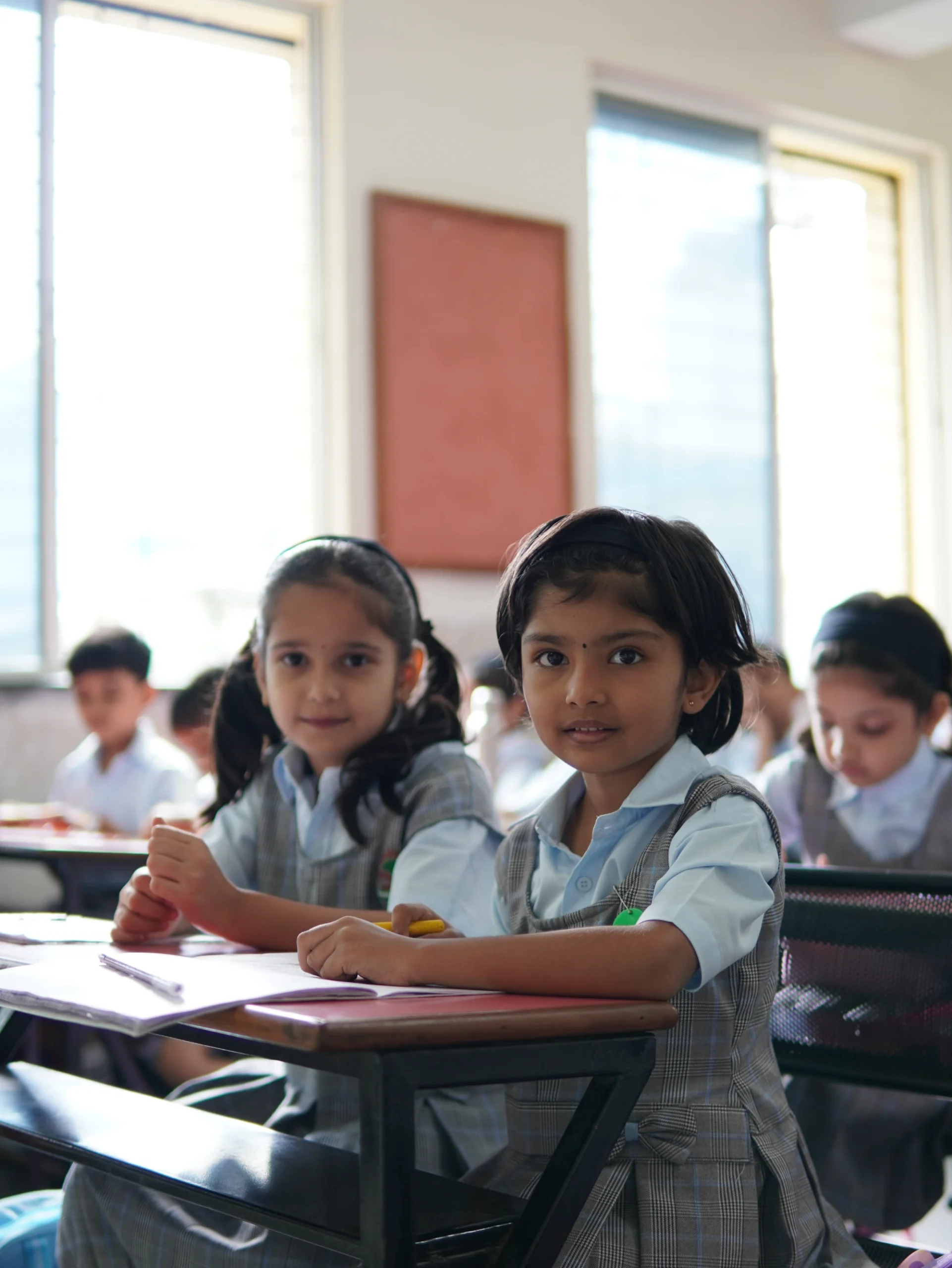
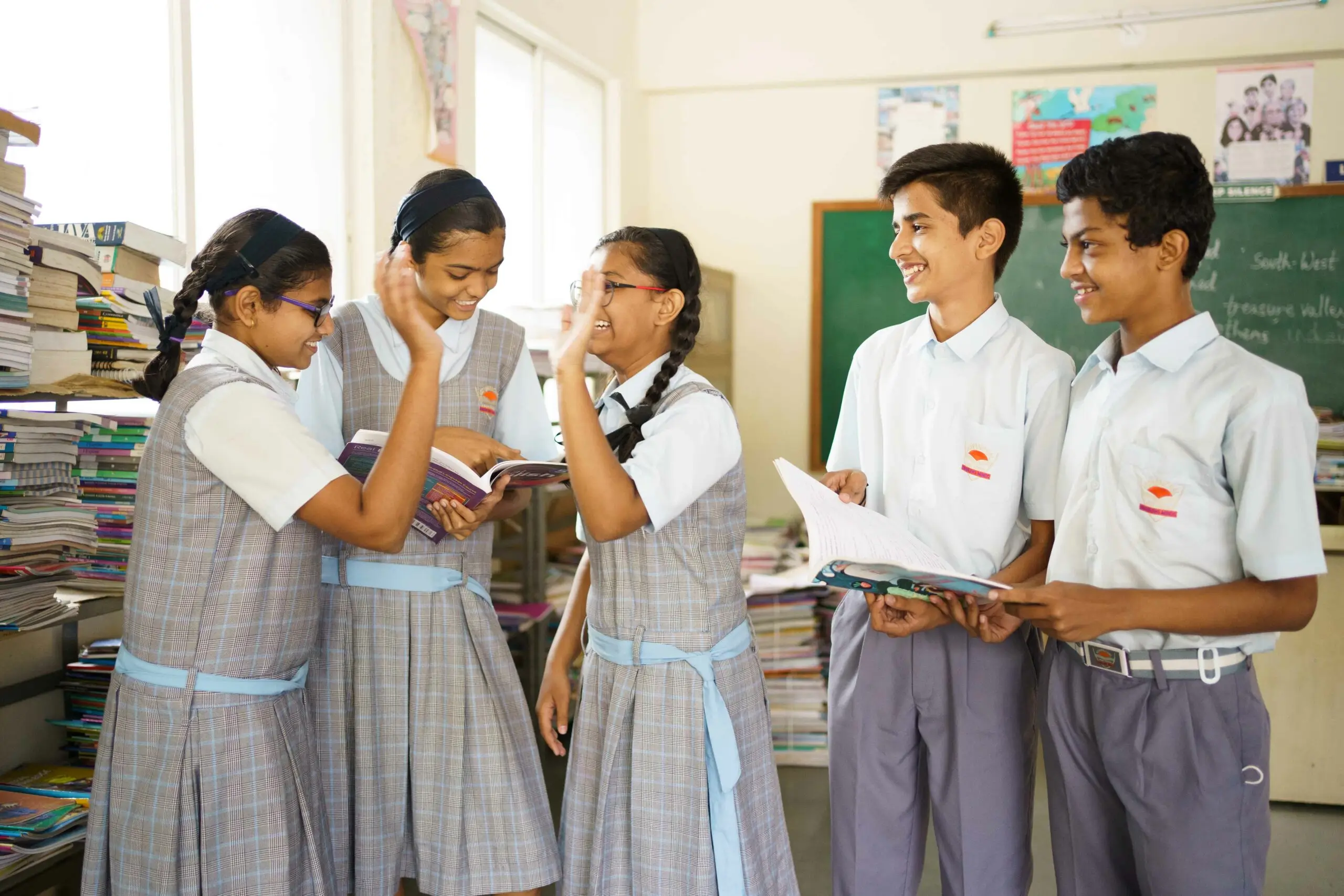
At Vidyanchal High School, healthy habits are viewed as an important part of holistic education. The school’s approach encourages children to build routines that support not only academic growth but also overall well-being.
Why Healthy Habits Matter More During Monsoon
The monsoon season creates a unique environment for children. Increased humidity, wet surfaces, changing temperatures, and indoor crowding can affect both health and daily routines.
Children may face:
- Seasonal colds and coughs
- Reduced outdoor activity
- Damp clothing and footwear
- Irregular sleep schedules
- Increased screen time on rainy days
Research consistently shows that healthy daily habits improve attendance, concentration, mood, and overall learning outcomes. When children feel physically well, they are more likely to participate actively in school and extracurricular activities.
Curious how Vidyanchal High School supports the overall development of every child?
Explore the learning environment where healthy habits and lifelong learning go hand in hand.
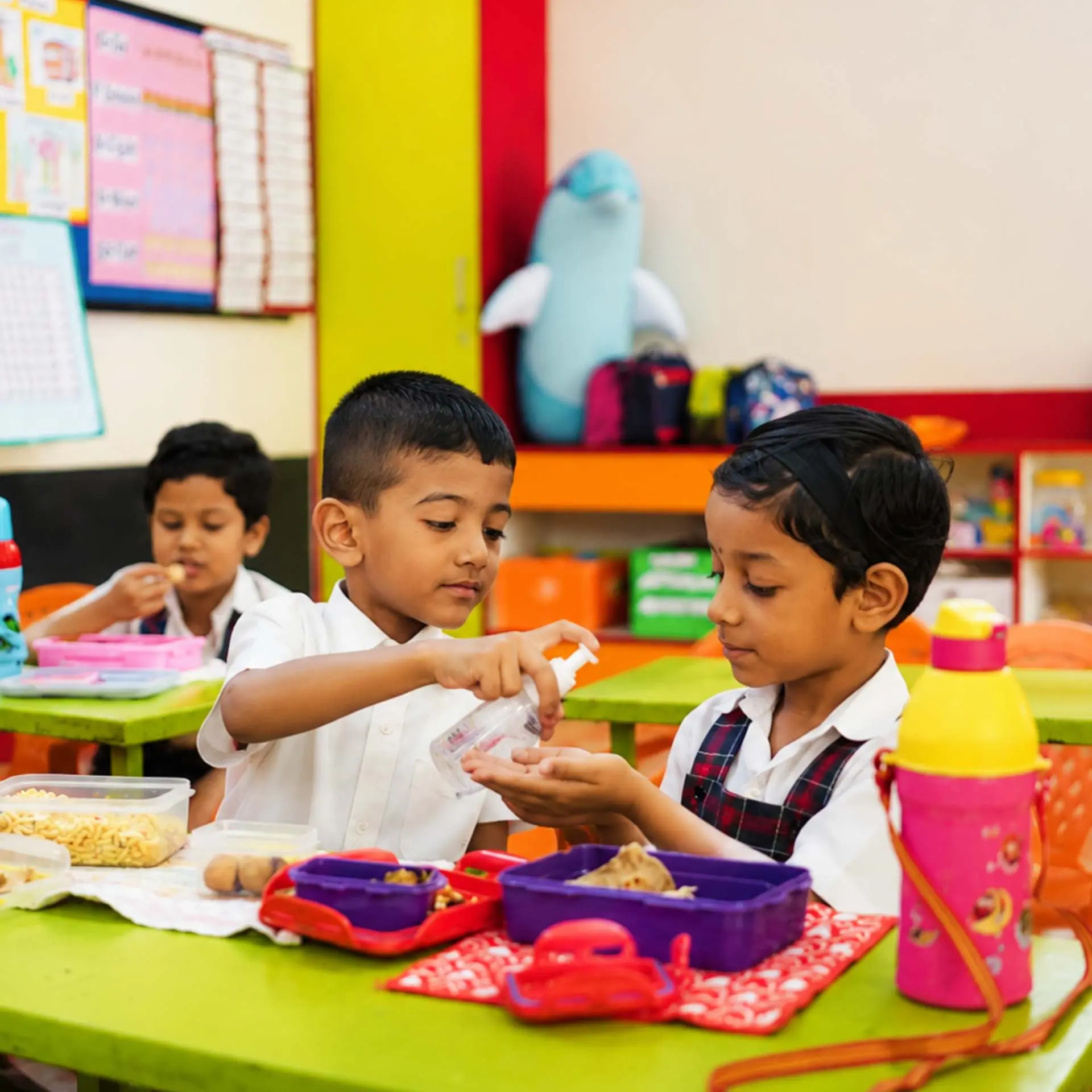
1. Prioritise Hand Hygiene
One of the simplest yet most effective monsoon habits is proper handwashing.
Children should wash their hands:
- Before meals
- After using the washroom
- After returning from school
- After outdoor play
- After coughing or sneezing
Studies show that proper handwashing can significantly reduce the spread of common infections among school-age children.
Parents can encourage handwashing by:
- Teaching the 20-second rule
- Using visual reminders
- Making the routine consistent
At Vidyanchal High School (VHS), students are encouraged to develop personal responsibility through simple daily hygiene practices.
2. Never Stay in Wet Clothes for Too Long
Many children enjoy getting caught in the rain, but remaining in wet clothes for extended periods can cause discomfort and increase the risk of skin irritation.
Important monsoon habits include:
- Changing into dry clothes immediately after getting wet
- Drying hair properly
- Wearing clean socks daily
- Keeping a spare set of clothing if needed
Comfort plays a major role in helping children stay healthy and focused.
3. Stay Hydrated Even When It Isn’t Hot
One common misconception is that hydration matters only during summer.
Children often drink less water during monsoon because they feel less thirsty. However, hydration remains important for:
- Concentration
- Digestion
- Energy levels
- Overall health
Parents can encourage hydration by:
- Packing water bottles daily
- Creating regular drinking reminders
- Offering fruits with high water content
Healthy hydration habits support both physical well-being and learning.
Every school is guided by values that shape lifelong habits.
Learn more about the philosophy and vision behind Vidyanchal High School.
4. Maintain Consistent Sleep Routines
Rainy weather often makes children want to sleep later, wake up late, or spend extra time indoors.
However, sleep remains one of the most important health habits.
School-age children generally require:
- 9–12 hours of sleep per night
Research shows that children who get adequate sleep often demonstrate:
- Better concentration
- Improved memory
- Stronger emotional regulation
- Higher energy levels
Consistent bedtimes help children stay ready for school even during gloomy weather.
5. Keep Moving Every Day
Heavy rain can reduce outdoor play opportunities. However, physical activity should not stop during monsoon.
Children should aim for at least 60 minutes of physical activity daily.
Indoor activity options include:
- Dance sessions
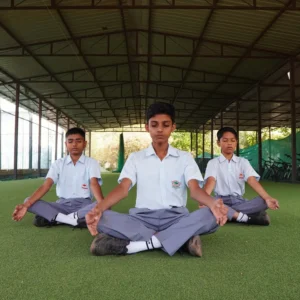
- Yoga
- Indoor obstacle courses
- Stretching routines
- Fitness games
Regular movement helps:
- Improve mood
- Strengthen immunity
- Support healthy growth
- Reduce excessive screen time
6. Eat Fresh and Balanced Meals
Nutrition becomes especially important during monsoon months.
Parents can focus on:
- Fresh home-cooked meals
- Seasonal fruits
- Vegetables
- Balanced lunches
- Proper breakfast routines
A nutritious breakfast supports:
- Concentration
- Memory
- Classroom participation
Children who begin the day with a balanced meal often maintain better energy throughout school hours.
7. Manage Screen Time Carefully
Rainy days naturally increase indoor time. Without a plan, this often leads to excessive screen use.
Research increasingly shows that excessive recreational screen time may affect:
- Sleep quality
- Attention span
- Physical activity levels
Families can create balance by:
- Scheduling screen-free hours
- Encouraging reading
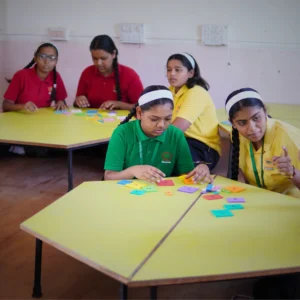
- Playing board games
- Planning indoor creative activities
The goal is not eliminating technology but maintaining healthy boundaries.
8. Build Responsibility Through Daily Routines
Monsoon is an excellent time to teach independence.
Children can take responsibility for:
- Drying umbrellas
- Organising rain gear
- Keeping school bags tidy
- Maintaining water bottles
- Checking school supplies
These small responsibilities help build confidence and self-management skills.
At Vidyanchal High School, developing responsible habits is considered an important part of preparing students for future success.
9. Read More During Rainy Days
Monsoon creates natural opportunities for reading.
Reading supports:
- Vocabulary development
- Imagination
- Focus
- Academic confidence
Parents can encourage:
- Family reading time
- Story sessions
- Reading corners
- Book discussions
Even 15–20 minutes of daily reading can help strengthen learning habits.
10. Practice Gratitude and Positivity
Healthy habits are not only physical.
Emotional well-being matters too.
Simple practices include:
- Talking about positive moments each day
- Expressing gratitude
- Sharing experiences at dinner
- Reflecting on learning and achievements
Research in positive psychology suggests that gratitude practices can improve emotional resilience and overall well-being in children.
The secondary years require healthy routines, responsibility, and independence.
See how Vidyanchal High School supports students through Secondary education.
The Vidyanchal Way: Holistic Growth Through Healthy Habits
The Vidyanchal approach to student development recognises that success is built through daily habits.
Healthy routines help children:
- Learn better
- Feel better
- Stay confident
- Develop independence
- Build resilience
Academic achievement becomes more sustainable when supported by physical health, emotional well-being, and personal responsibility.
At Vidyanchal High School, holistic education means helping children grow not only as students but also as healthy, responsible, and confident individuals.
School life is enriched through activities, celebrations, learning experiences, and community participation.
Explore the vibrant events and student experiences at Vidyanchal High School.
Final Thoughts
Healthy habits for kids during monsoon are about much more than avoiding seasonal illness. They help children maintain energy, focus, confidence, and well-being throughout the school term.
From proper hygiene and hydration to reading habits, physical activity, sleep, and emotional wellness, these routines form the foundation of healthy development.
At Vidyanchal High School, the belief is simple: strong habits create strong learners. When children learn to care for their health, manage their responsibilities, and stay balanced during changing seasons, they build skills that support them both inside and outside the classroom.
FAQs
1. Why are healthy habits especially important during monsoon?
Monsoon brings increased humidity, seasonal illnesses, and reduced outdoor activity, making healthy routines more important.
2. How much sleep do school-age children need?
Most children need between 9 and 12 hours of sleep each night.
3. How can parents reduce screen time during rainy days?
Encourage reading, indoor games, creative activities, and family interaction alongside reasonable screen limits.
4. Why is hydration important during monsoon?
Children may feel less thirsty but still need regular hydration for concentration, energy, and overall health.
5. What is the most important monsoon habit for children?
Consistent hygiene practices, especially proper handwashing and changing out of wet clothes, are among the most important habits.