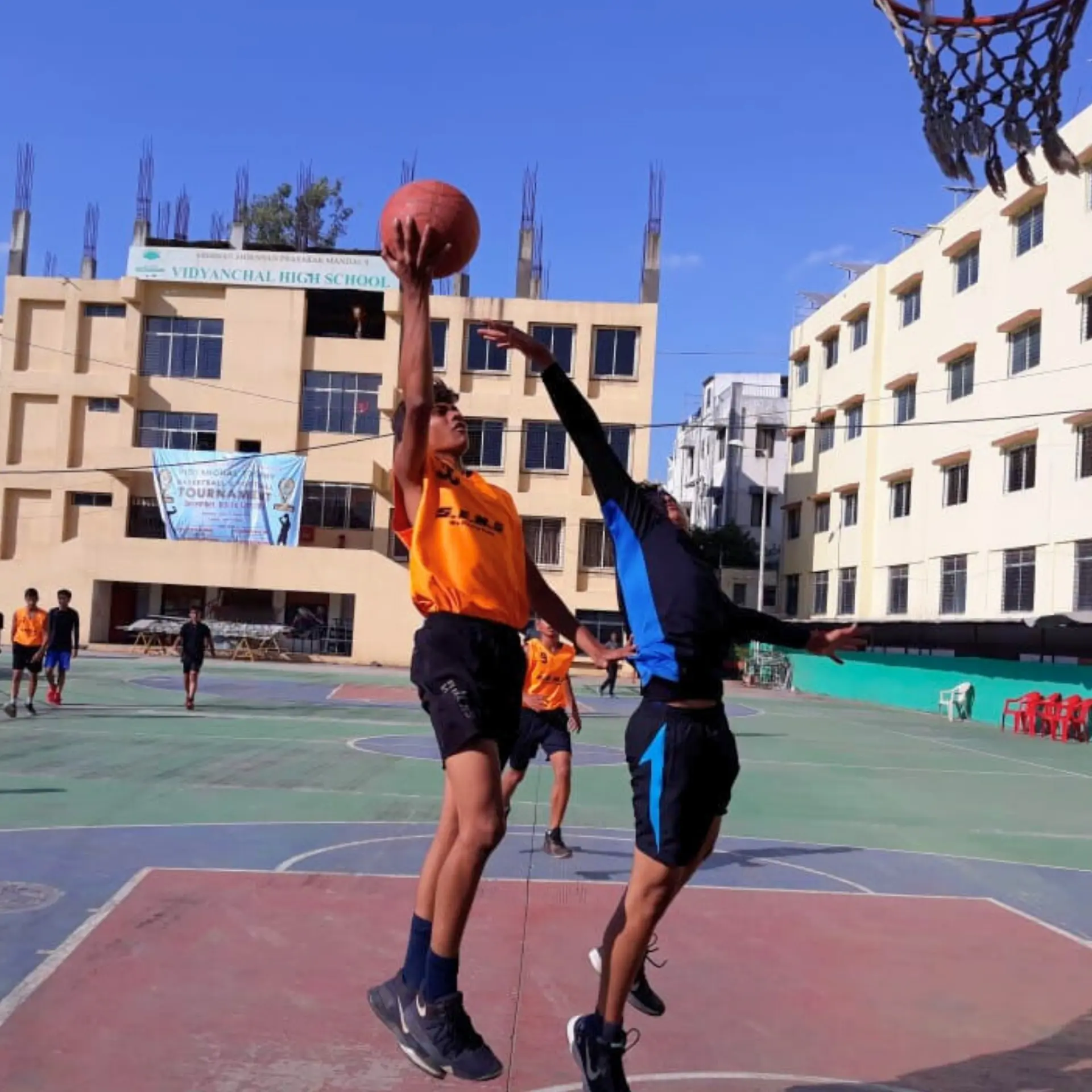
School with sports facilities in Pune is an increasingly important search for parents who want their children to grow beyond academics. In a city where school schedules, tuition classes, traffic, and screen-based entertainment can leave children with limited opportunities to move, access to quality sports facilities can make a meaningful difference.
Sports at school are not simply about finding the next talented cricketer, footballer, or basketball player. Regular physical activity supports physical development, concentration, teamwork, confidence, discipline, and emotional well-being. The right school can make sport a natural part of a child’s routine rather than another activity that has to be squeezed into an already busy week.
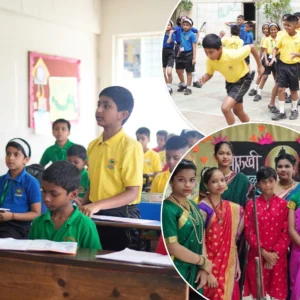
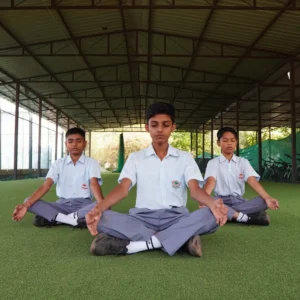
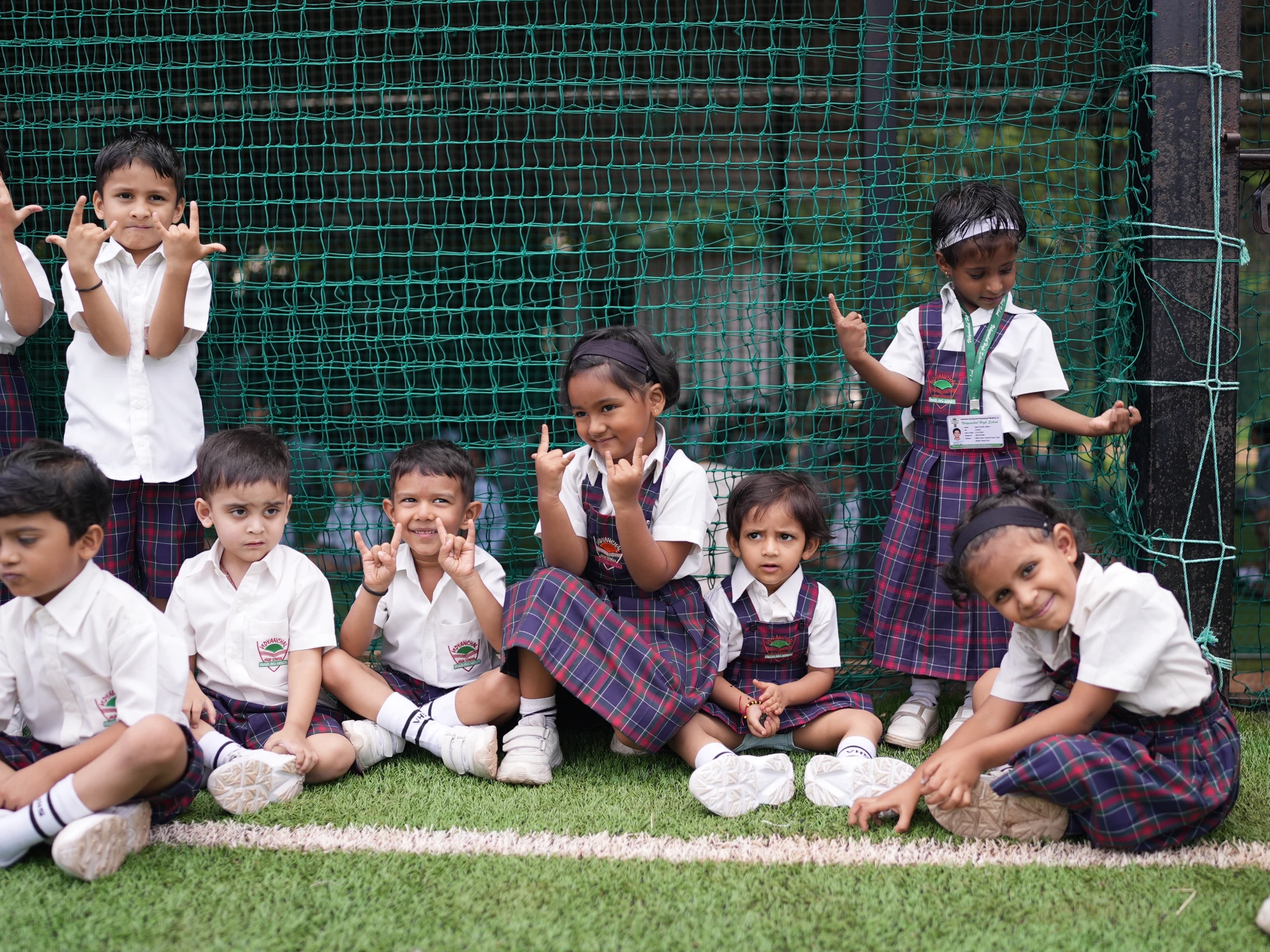
At Vidyanchal High School, sports and physical activity form an important part of a holistic educational experience. The objective is not only to encourage participation but also to help children discover the joy of movement, teamwork, discipline, and healthy competition.
Why Sports Belong in the School Day
Children need regular physical activity for healthy development. The World Health Organization recommends at least 60 minutes of moderate-to-vigorous physical activity every day for children and adolescents aged 5–17.
That activity does not have to mean competitive sport. Walking, running, cycling, playing games, practising skills, and participating in organised sports can all contribute.
Regular physical activity can support:
- Healthy growth and fitness
- Bone and muscle development
- Motor coordination
- Sleep quality
- Concentration
- Emotional well-being
- Social interaction
This makes sports facilities an educational resource rather than simply an additional campus feature.
1. Look at the Variety of Sports
When evaluating a school with sports facilities in Pune, don’t just ask whether the campus has a playground. Ask what children can actually do there.
A well-rounded sports programme may provide opportunities for:
- Cricket
- Football
- Basketball
- Skating
- Athletics
- Fitness activities
- Recreational games
Different children are naturally drawn to different forms of movement. One child may enjoy team sports while another may prefer individual activities.
Variety allows children to discover what they genuinely enjoy.
At Vidyanchal High School (VHS), sports and physical activities contribute to the school’s broader approach to holistic development, giving students opportunities to stay active while developing confidence and discipline.
2. Check Whether Facilities Are Actually Used
A large playground or impressive sports facility looks good in a brochure, but the more important question is:
How often do students use it?
Parents can ask:
- How many physical education periods are scheduled?
- Do different age groups get access?
- Are facilities available beyond formal PE classes?
- Are sports integrated into school events?
- Do students participate in competitions?
Infrastructure has educational value only when students regularly use it.
Learn more about the vision and values guiding Vidyanchal High School.
3. Look at Safety and Maintenance
Sports facilities need to be safe, clean, and properly maintained.
During a school visit, parents should look at:
- Playing surfaces
- Equipment condition
- Boundary areas
- Lighting
- Changing facilities
- Drinking water access
- First-aid arrangements
Safety should be part of the sports culture rather than something considered only after an injury.
Children should also learn basic sporting etiquette—warming up, following rules, using equipment responsibly, and respecting other players.
4. Ask About Qualified Coaches and PE Teachers
Facilities alone cannot teach children how to play.
Good physical education depends on teachers and coaches who understand:
- Age-appropriate training
- Fundamental movement skills
- Sports technique
- Safety
- Teamwork
- Positive competition
For younger children especially, the emphasis should be on developing fundamental skills such as running, jumping, throwing, catching, balancing, and coordination.
These foundations make it easier for children to participate confidently in different sports as they grow.
5. Consider Sports for Every Child, Not Just Athletes
One of the most important questions parents can ask is whether sports are genuinely inclusive.
A good school sports culture should not be limited to children who are already naturally athletic.
Every child should have opportunities to:
- Participate
- Learn new skills
- Improve gradually
- Represent their class or house
- Experience teamwork
- Enjoy physical activity
The objective during the school years should be to create a lifelong relationship with physical activity, not simply identify elite athletes.
Children who associate sport with enjoyment are more likely to remain active as they grow older.
6. Look for the Connection Between Sports and Life Skills
Sports can teach children lessons that extend far beyond the playing field.
A football match can teach teamwork.
A cricket practice can teach patience.
A skating session can teach balance and persistence.
A competition can teach children how to handle both winning and losing.
Through sports, children can develop:
- Discipline
- Resilience
- Leadership
- Communication
- Decision-making
- Cooperation
These qualities are increasingly important in education and future professional environments.
At Vidyanchal High School, sports are part of a broader effort to help students become confident and well-rounded individuals.
7. Ask About Sports Competitions and Events
Competition can provide an additional layer of motivation.
Parents can ask whether students participate in:
- Inter-house competitions
- Inter-school tournaments
- Athletics meets
- Sports days
- Friendly matches
- School-level championships
However, healthy competition should remain focused on participation, improvement, teamwork, and sportsmanship.
Children need to learn that losing a match does not mean they have failed. It is part of learning how to improve.
8. Consider the Outdoor Environment in Pune
Pune’s weather is another practical factor parents should consider.
During summer, schools need sensible approaches to outdoor activity, including appropriate scheduling, hydration, shade, and rest.
During monsoon, wet surfaces and thunderstorms require additional caution.
A well-managed sports programme should adapt activities according to:
- Weather
- Age
- Intensity
- Playing conditions
- Student fitness levels
This is particularly important when children participate in outdoor activities regularly.
See how Vidyanchal High School supports learners through Secondary education.
Sports and the Digital Childhood
The importance of sports has increased alongside the growth of screen-based childhood.
Children today have easy access to:
- Short-form videos
- Online games
- Streaming platforms
- Social media
- Smartphones and tablets
Technology is not inherently negative, but excessive sedentary screen time can displace physical activity, outdoor play, sleep, and face-to-face interaction.
Sports provide something fundamentally different: movement, physical challenge, social interaction, and real-world feedback.
A child cannot learn teamwork in the same way by watching a football match as they can by actually playing one.
This is why school-based physical activity can be particularly valuable for families struggling to create enough movement time at home.
What Parents Should Ask During a School Visit
Before shortlisting a school, consider asking:
1. What sports are available?
2. How frequently do students use the facilities?
3. Are trained PE teachers or coaches available?
4. Are sports offered to all age groups?
5. How does the school manage safety and hydration?
6. Do students participate in competitions?
7. Is there a balance between competitive and recreational sport?
8. How are facilities maintained?
These questions can reveal far more than simply looking at photographs of the campus.
Explore the events and activities that bring the Vidyanchal High School community together.
Why the Right Sports Environment Matters
The best school sports environment is not necessarily the one with the biggest campus or the most expensive equipment.
It is the one where children:
- Want to participate
- Feel safe trying new activities
- Receive appropriate guidance
- Learn to work with others
- Are encouraged to improve
- Enjoy being physically active
For parents, this is perhaps the most important distinction to make when evaluating a school with sports facilities in Pune.
Infrastructure creates possibility. Teachers, coaches, culture, and regular participation turn that possibility into meaningful development.
The Vidyanchal Approach to Sports
At Vidyanchal High School, physical activity is considered an important component of a child’s overall development. Sports provide students with opportunities to develop coordination, confidence, teamwork, discipline, and resilience alongside their academic education.
The emphasis is on creating well-rounded learners who can participate confidently, discover their interests, and understand the value of staying active.
For families evaluating schools in Pune, this combination of academics, physical development, and student participation is worth considering when looking beyond traditional measures of school quality.
Final Thoughts
Choosing a school with sports facilities in Pune means looking beyond the presence of a playground or a list of sports on a brochure. Parents should consider the quality of facilities, frequency of use, coaching, safety, inclusivity, competition opportunities, and the school’s overall attitude towards physical activity.
Sports can give children much more than physical fitness. They can teach persistence after failure, confidence under pressure, cooperation with others, responsibility, and the ability to celebrate achievement without losing perspective.
At Vidyanchal High School, sports form part of a holistic approach to education that recognises an important truth: children learn with their minds, but they also grow through movement, play, challenge, and participation.
FAQs
1. What should parents look for in school sports facilities?
Look for safe, well-maintained facilities, qualified coaches, variety of sports, regular usage, and opportunities for all students to participate.
2. How much physical activity should children get each day?
The WHO recommends an average of at least 60 minutes of moderate-to-vigorous physical activity daily for children and adolescents aged 5–17.
3. Are sports important even if a child is not athletic?
Yes. Sports help children develop coordination, confidence, teamwork, discipline, and healthy lifelong activity habits.
4. Should parents prioritise competitive sports?
Competition can be valuable, but schools should balance it with recreational participation and ensure children enjoy being active.
5. Why are school sports important in the age of screens?
Sports provide regular movement, social interaction, outdoor experiences, and real-world challenges that balance increasingly sedentary, screen-based routines.