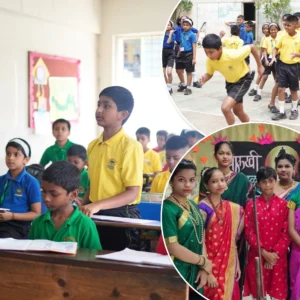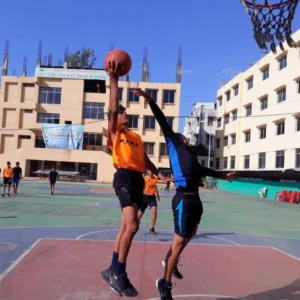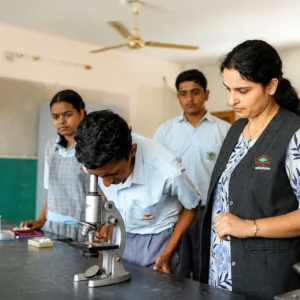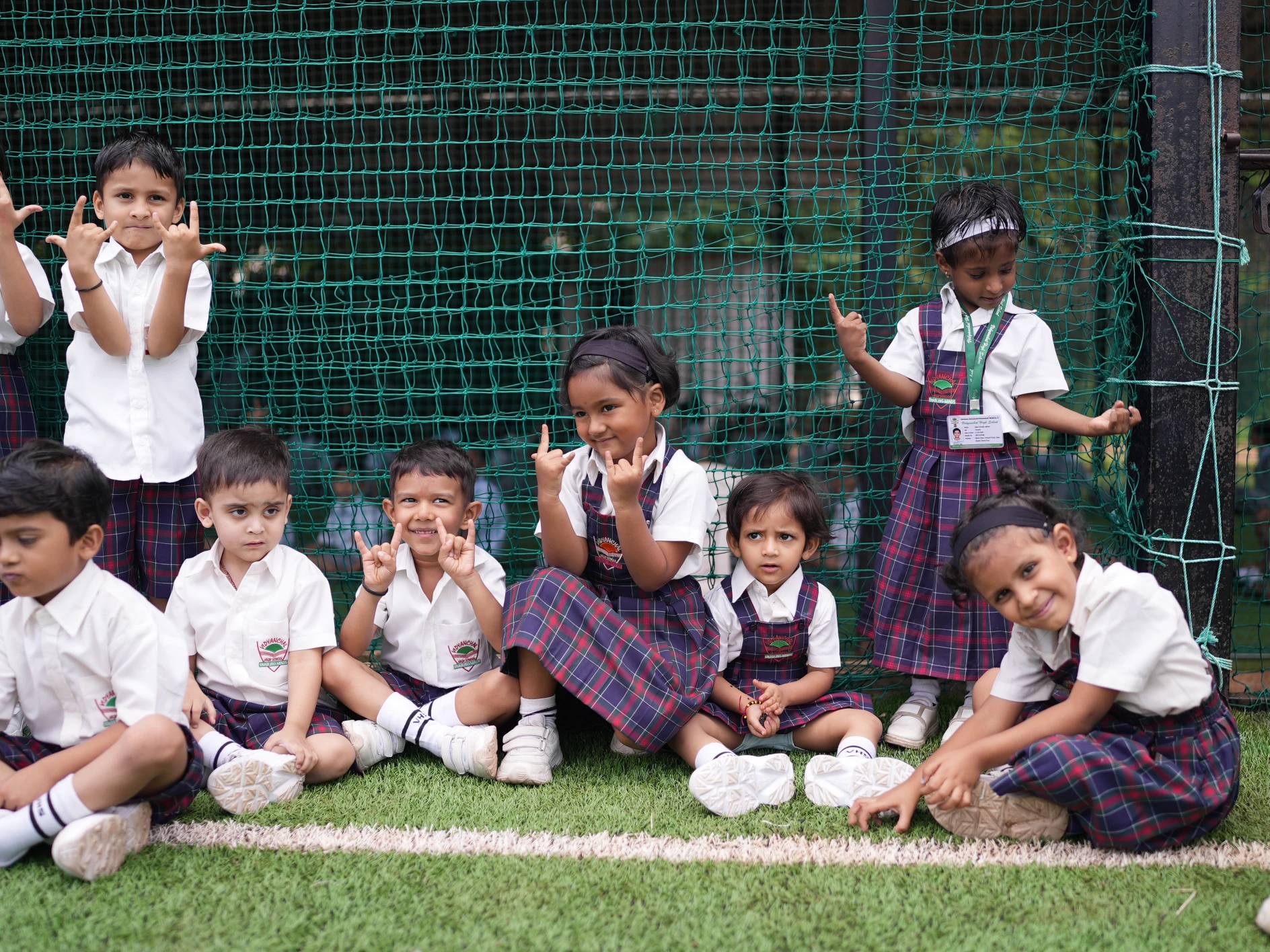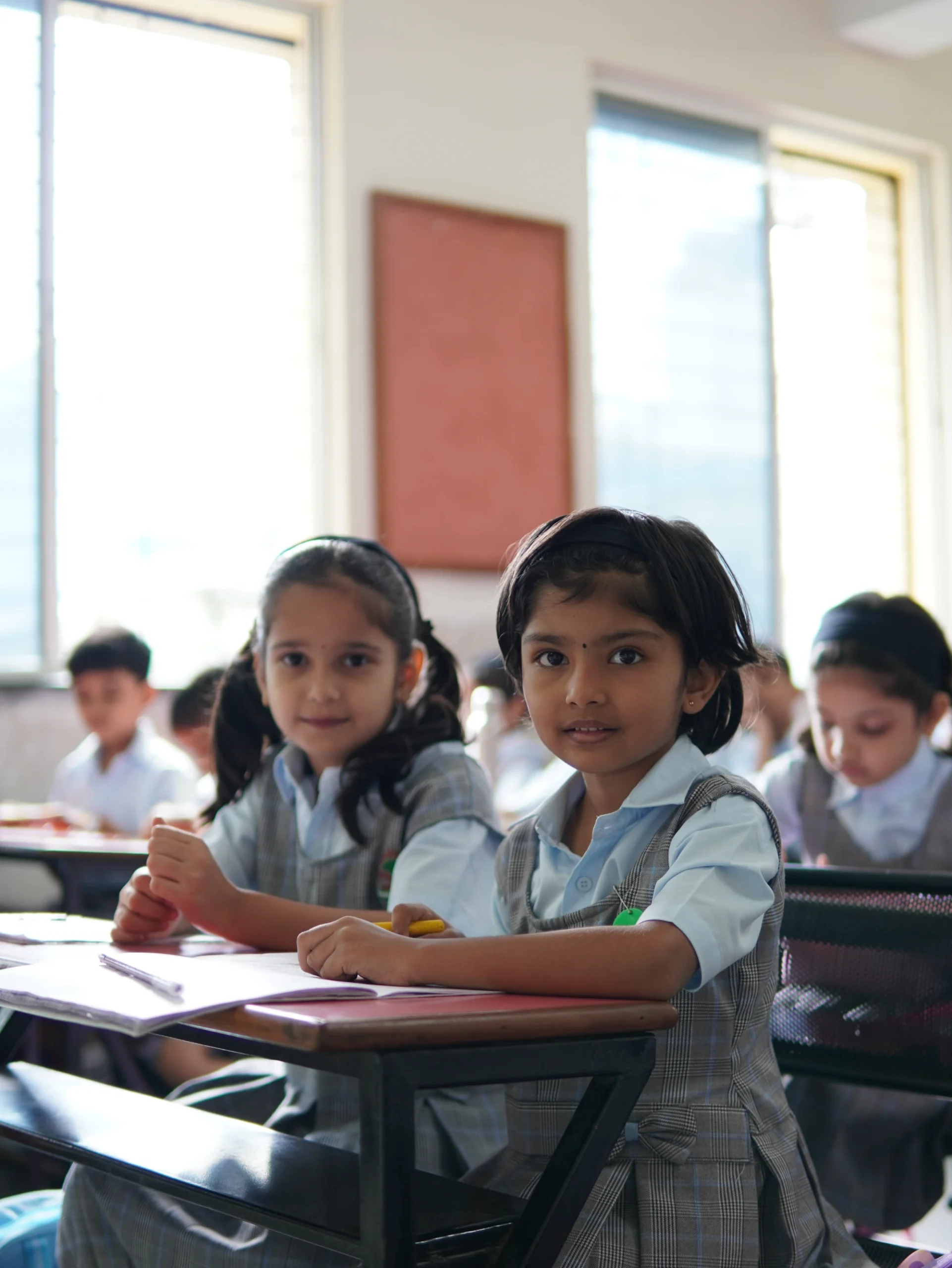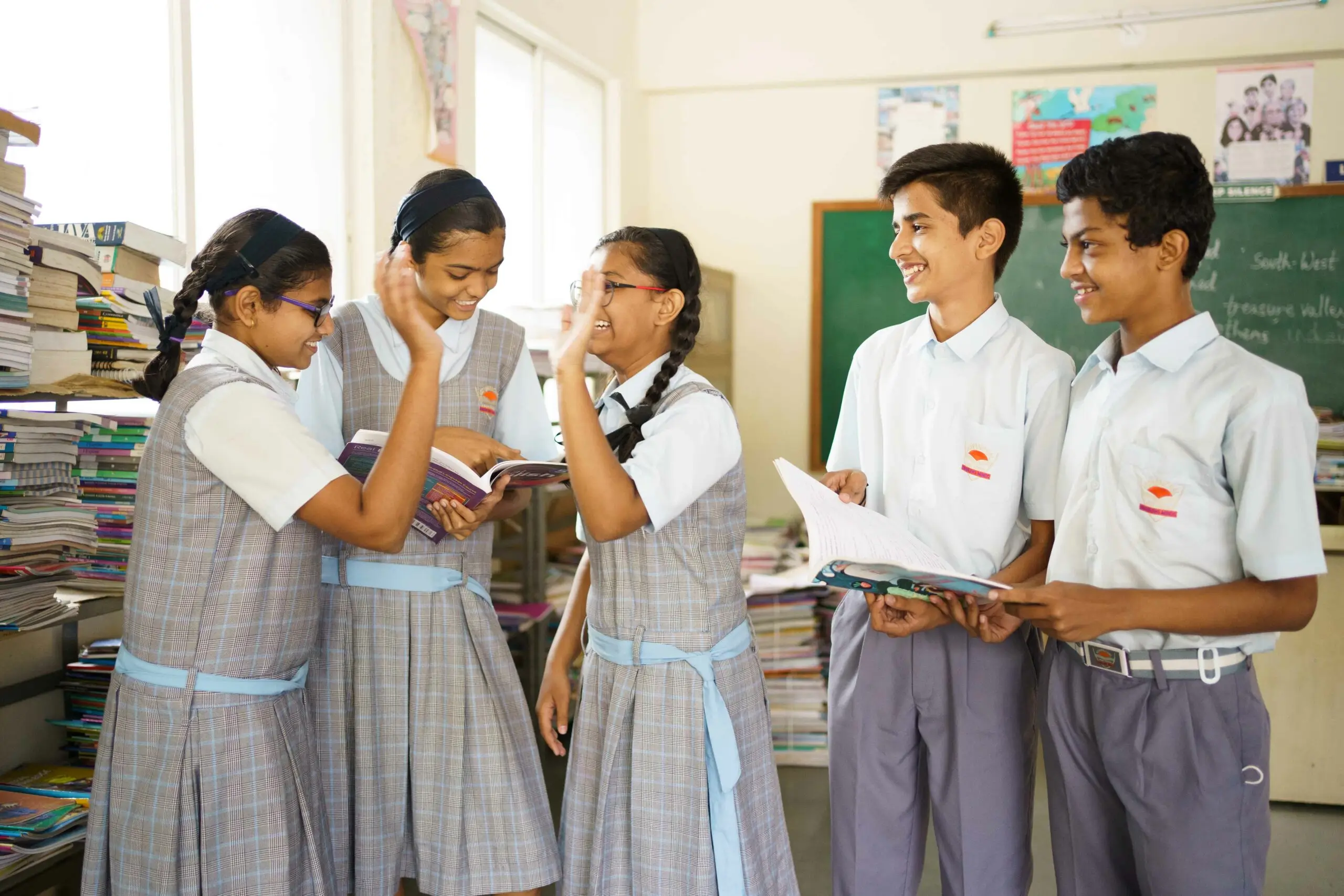
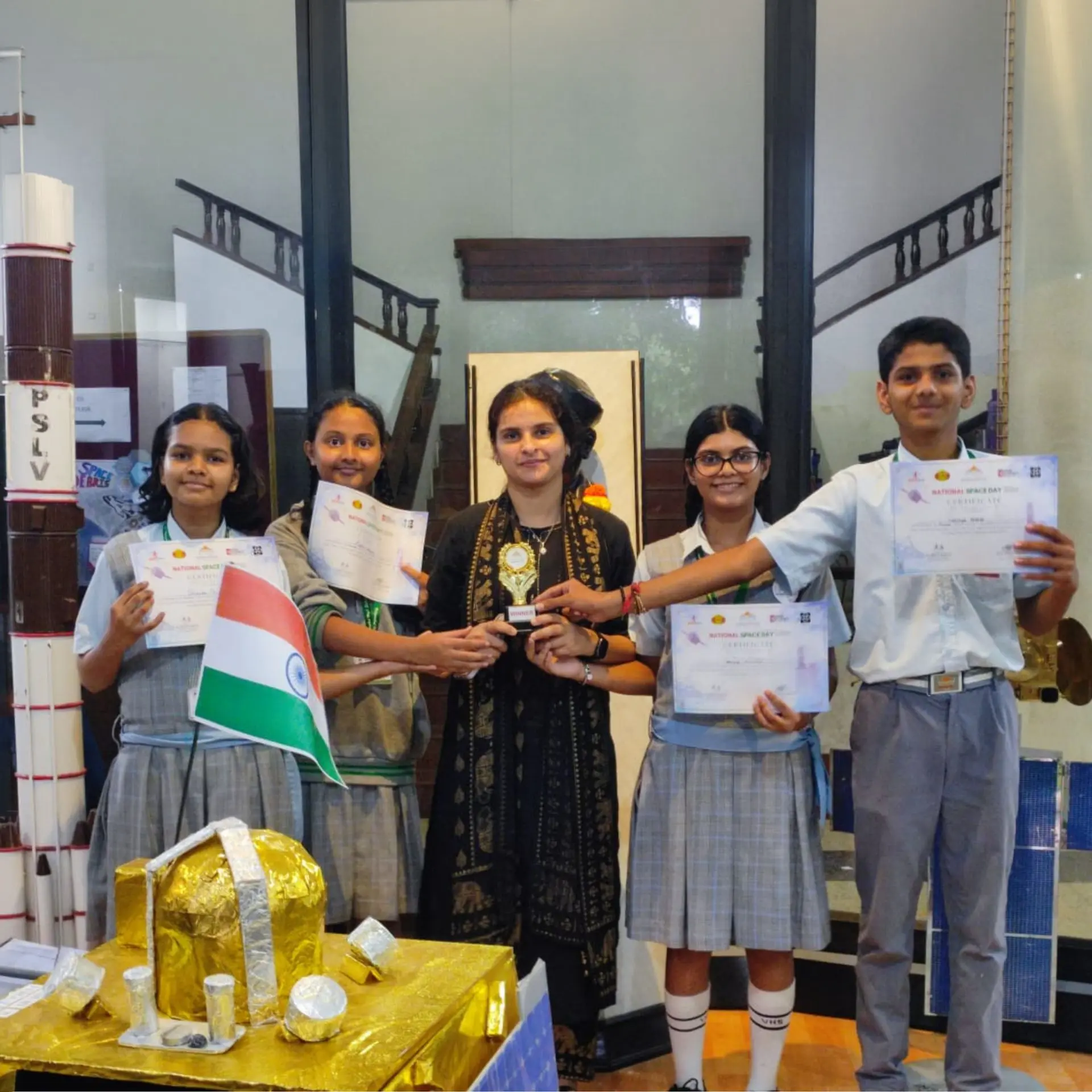
School events are often remembered long after children forget individual lessons or examinations. Annual days, sports competitions, cultural festivals, exhibitions, assemblies, field trips, celebrations, and inter-house activities all play a vital role in shaping a child’s school experience. While these events may appear to be breaks from academics, they are, in reality, powerful learning opportunities that help children build confidence, communication skills, leadership qualities, and a strong sense of belonging.
Parents often focus on grades and classroom learning while choosing a school. However, educational research consistently shows that students who actively participate in school life tend to develop stronger social skills, higher self-esteem, and greater emotional well-being. School is not only where children learn subjects—it is where they discover themselves.
At Vidyanchal High School, school events are considered an integral part of holistic education, creating opportunities for every child to participate, contribute, and grow beyond the classroom.
Why School Events Matter More Than Parents Often Realise
Children learn differently outside the classroom than they do inside it.
During school events, students develop skills that are difficult to teach through textbooks alone, including:
- Public speaking
- Teamwork
- Leadership
- Creativity
- Responsibility
- Time management
- Emotional resilience
Research from child development and educational psychology suggests that participation in extracurricular and school-based activities is associated with improved confidence, stronger peer relationships, better school engagement, and higher motivation to learn.
For many children, their first experience of standing on a stage, leading a team, performing before an audience, or organising an event becomes a defining moment in their personal growth.
School Events Build Confidence One Experience at a Time
Confidence is rarely developed overnight.
It grows gradually through repeated opportunities to try something new, make mistakes, improve, and succeed.
A child who:
- Performs in a cultural programme,
- Participates in a science exhibition,
- Anchors a school assembly,
- Represents their class in a competition,
begins to realise that they are capable of much more than they imagined.
Even children who are naturally quiet often become more confident after participating in school events because they experience success outside traditional academics.
At Vidyanchal High School (VHS), every event is viewed as an opportunity for students to discover new strengths while building self-belief.
Participation Creates Active Learners
Some children may hesitate to volunteer initially. However, regular opportunities encourage them to step outside their comfort zone.
Participation teaches children to:
- Take initiative
- Accept responsibility
- Work towards shared goals
- Respect different perspectives
- Celebrate both effort and achievement
Educational research suggests that students who participate actively in school communities often develop greater motivation and stronger connections with their learning environment.
Participation helps children understand that school is something they contribute to—not simply attend.
School Events Create a Sense of Belonging
Feeling like they belong is one of the most important emotional needs children have.
When children participate in:
- House competitions
- Festivals
- Sports days
- Group performances
- Community celebrations
- Classroom projects
they begin to identify themselves as part of a larger school community.
Research consistently shows that students with a stronger sense of belonging often experience:
- Better attendance
- Higher classroom engagement
- Greater emotional well-being
- Improved academic motivation
Children who feel connected to their school are generally more enthusiastic about learning and participating.
Communication Skills Grow Naturally
Standing before an audience, working with classmates, or presenting a project develops communication skills that textbooks cannot teach.
School events encourage children to:
- Speak clearly
- Listen actively
- Express ideas confidently
- Collaborate respectfully
- Handle feedback positively
These abilities become valuable throughout life, whether in higher education, careers, or everyday interactions.
Leadership Is Learned Through Experience
Leadership is not only about becoming a school captain.
Children develop leadership every time they:
- Organise a class activity
- Help classmates
- Lead a group discussion
- Coordinate event preparations
- Take responsibility for shared tasks
These experiences teach:
- Decision-making
- Accountability
- Planning
- Problem-solving
Leadership develops gradually through practice rather than instruction alone.
School Events Encourage Teamwork
Very few school events happen individually.
Whether preparing for:
- A dance performance,
- A science exhibition,
- A sports competition,
- An art display,
children learn to cooperate with others.
Working as part of a team teaches:
- Respect
- Patience
- Collaboration
- Conflict resolution
- Shared responsibility
These interpersonal skills are among the most valuable life skills children can develop.
Celebrating Different Talents
Every child has unique strengths.
Some excel in:
- Academics
- Music
- Sports
- Art
- Public speaking
- Organisation
- Creativity
School events allow children to discover talents that may not appear during regular classroom lessons.
This helps students appreciate that success can be achieved in many different ways.
At Vidyanchal High School, events are designed to provide opportunities for every child—not only the highest academic performers—to participate and shine.
Parents Play an Important Role Too
Children often gain confidence when parents actively support their participation.
Parents can:
- Encourage rather than pressure
- Celebrate effort instead of perfection
- Attend performances and exhibitions
- Appreciate improvement
- Discuss experiences afterwards
Positive parental involvement reinforces the value of participation.
Children remember encouragement long after the event itself has ended.
School Memories That Last a Lifetime
Ask most adults what they remember from school, and many will mention:
- Annual Day performances
- Sports Day victories
- Educational trips
- House competitions
- Cultural festivals
- School celebrations
These experiences shape identity, friendships, and confidence.
Academic lessons remain important, but memories built through participation often become equally meaningful.
Holistic Education Goes Beyond the Classroom
Modern education is about preparing children not only for examinations but also for life.
School events help develop:
- Confidence
- Leadership
- Emotional resilience
- Communication
- Creativity
- Collaboration
- Responsibility
These qualities support success in higher education, future careers, and everyday life.
At Vidyanchal High School, events are thoughtfully integrated into the educational journey because every activity contributes to a child’s overall growth and development.
Every celebration, competition, and activity creates opportunities for students to learn and grow.
Explore the vibrant events that make life at Vidyanchal High School memorable.
Final Thoughts
School events are much more than dates on the academic calendar. They are experiences that help children discover their strengths, build meaningful friendships, develop confidence, and feel connected to their school community.
By encouraging participation, celebrating effort, and creating opportunities for leadership and collaboration, schools help shape well-rounded individuals who are prepared for both academic and personal success.
At Vidyanchal High School, every event is seen as an extension of learning. Through cultural programmes, sports, exhibitions, celebrations, and student-led activities, children gain experiences that stay with them long after their school years have ended.
Because sometimes, the greatest lessons children learn are not written in notebooks—they are lived on the stage, the playground, and alongside their classmates.
FAQs
1. Why are school events important for children?
School events help children develop confidence, communication skills, teamwork, leadership, and a sense of belonging.
2. Can participating in school events improve academic performance?
Yes. Students who feel engaged in school activities often show greater motivation, confidence, and overall involvement in learning.
3. How do school events help shy children?
They provide supportive opportunities to participate, interact with peers, and gradually build self-confidence through new experiences.
4. What types of school events contribute to holistic development?
Sports days, cultural programmes, exhibitions, assemblies, leadership activities, competitions, educational trips, and community events all support well-rounded growth.
5. How does Vidyanchal High School encourage student participation?
Vidyanchal High School provides diverse opportunities through academic, cultural, sporting, and community events, ensuring students develop confidence, leadership, creativity, and a strong sense of belonging.