Education in the 21st century is rapidly evolving from rote memorisation to experiential and inquiry-driven learning. Today’s students are growing up in a world that values creativity, collaboration, and problem-solving over repetition. In this changing landscape, Project-Based Learning (PBL) has e merged as one of the most effective methods to prepare children for real-world challenges.
At Vidyanchal School, this philosophy is already embedded in the way children learn—from classroom discussions and science experiments to art projects and sports-based problem-solving. Project-Based Learning is not just an activity at VHS—it’s a mindset that transforms how students think, explore, and express themselves.
What Is Project-Based Learning (PBL)?
Project-Based Learning is a teaching approach where students gain knowledge and skills by working over an extended period to investigate and respond to real-world problems, questions, or challenges.
Unlike traditional assignments that test memory, PBL encourages students to apply what they’ve learned through hands-on exploration and teamwork. The outcome isn’t just a grade—it’s understanding, confidence, and creativity.
According to Edutopia (2023), students engaged in project-based learning show a 23% higher retention rate compared to those taught through conventional methods. They also demonstrate stronger critical thinking and communication skills—two abilities that the modern workplace values most.
Why Project-Based Learning Matters Today
The world is changing faster than any textbook can keep up. Technologies evolve, careers transform, and social issues demand innovative solutions. PBL prepares students for this uncertainty by developing adaptability and independent thinking from an early age.
A World Economic Forum (2024) report highlights that problem-solving, collaboration, and analytical thinking are among the top skills needed by 2030. These are precisely what project-based learning cultivates.
In primary and secondary education, PBL also bridges the gap between theory and practice—helping children see how classroom concepts apply to real life. Whether it’s using math to design a small playground model or exploring science through a local waste management project, learning becomes active and meaningful.
The Impact on Primary School Students
1. Fostering Curiosity and Joy in Learning
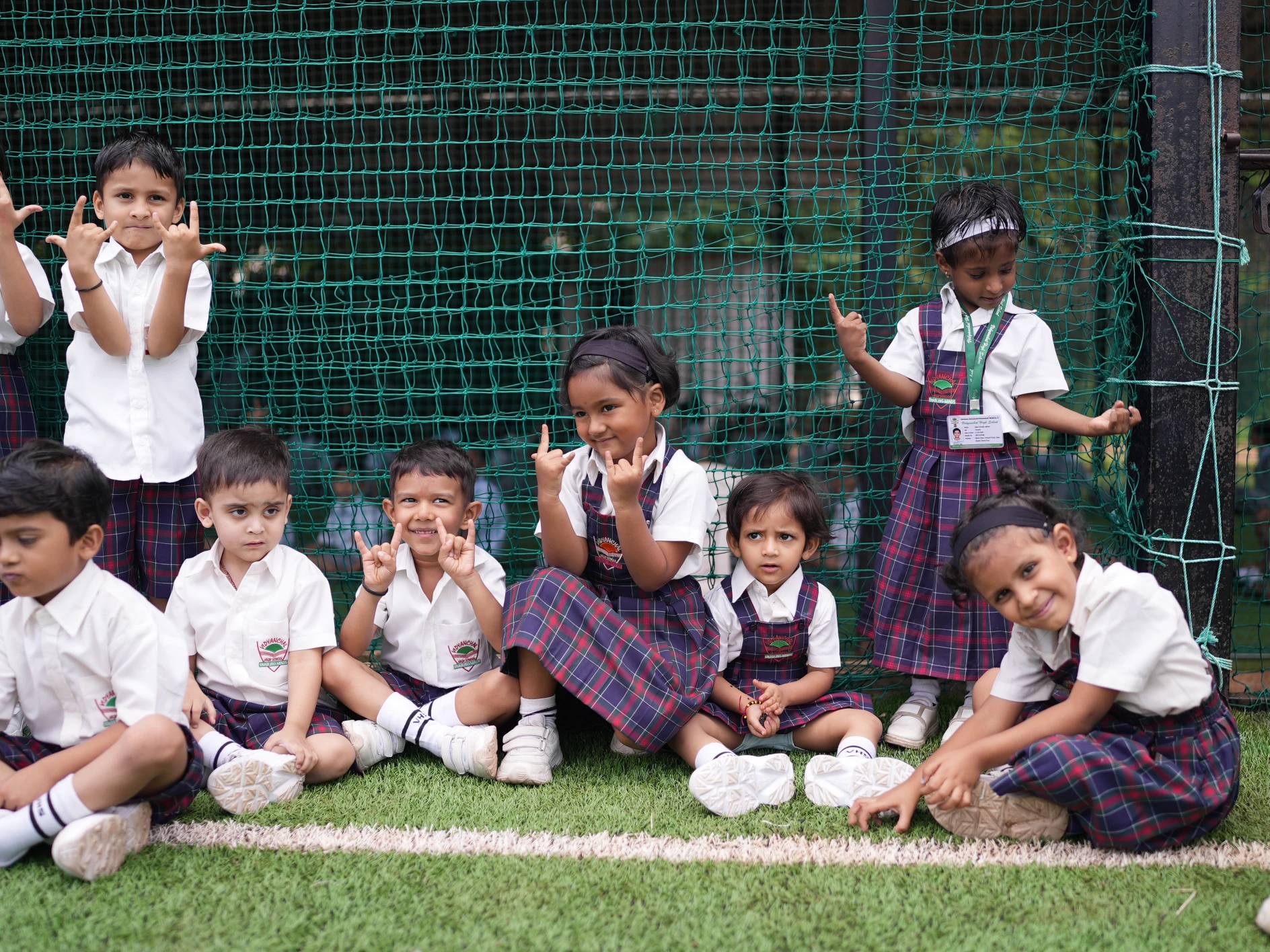
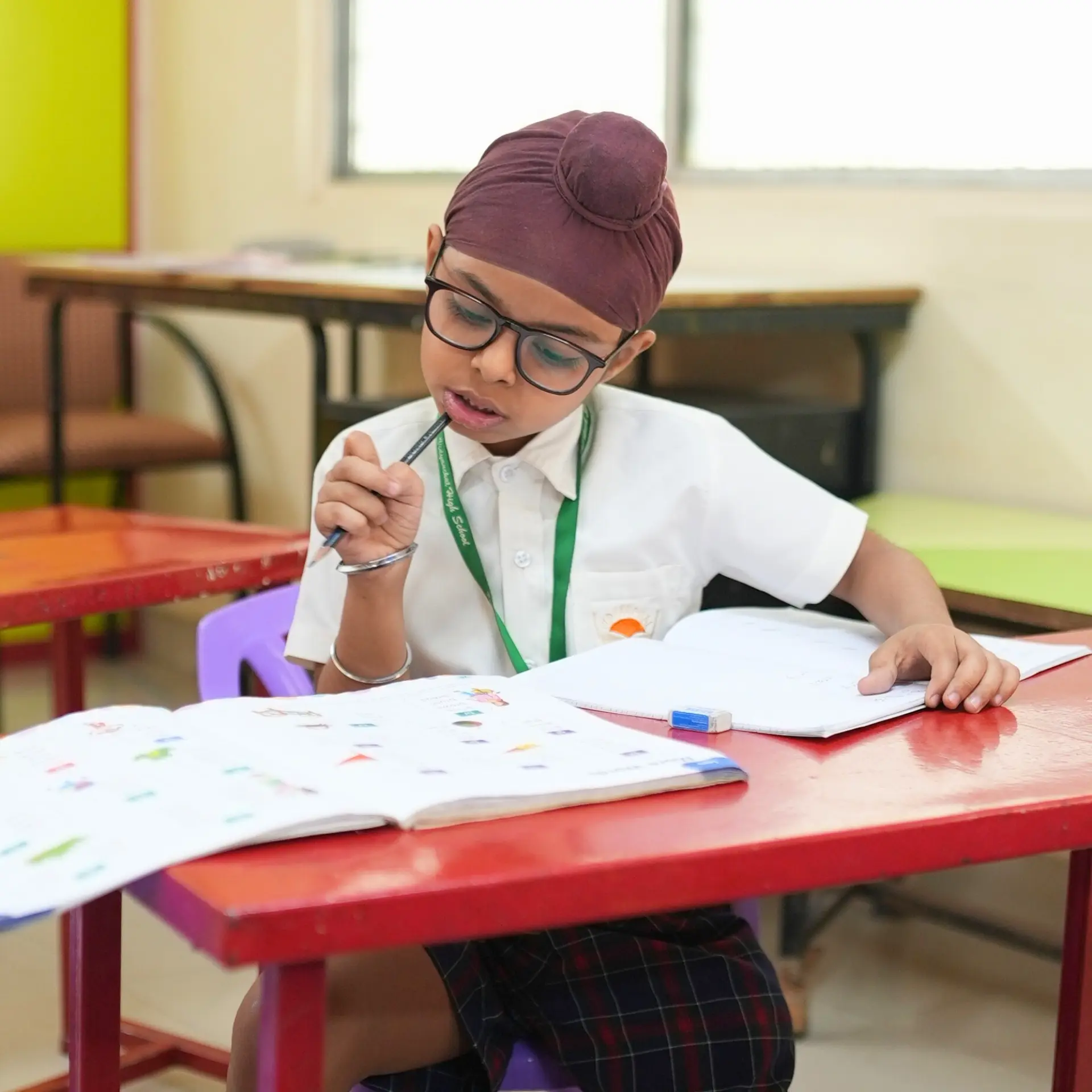
Young learners are naturally inquisitive. PBL channels that curiosity into purposeful exploration. For example, instead of just learning about plants in a textbook, students at VHS might grow their own mini garden, measure sunlight exposure, and record growth data.
Research from the Buck Institute for Education (2022) found that 85% of primary students in PBL programs reported feeling more motivated and engaged compared to traditional lessons.
At VHS, such projects also reinforce early values like teamwork, patience, and observation—skills that extend far beyond the classroom.
2. Developing Foundational Skills Through Experience
Hands-on projects help children strengthen literacy, numeracy, and creative thinking. For example, creating a class magazine blends reading, writing, art, and collaboration—all essential foundational skills.
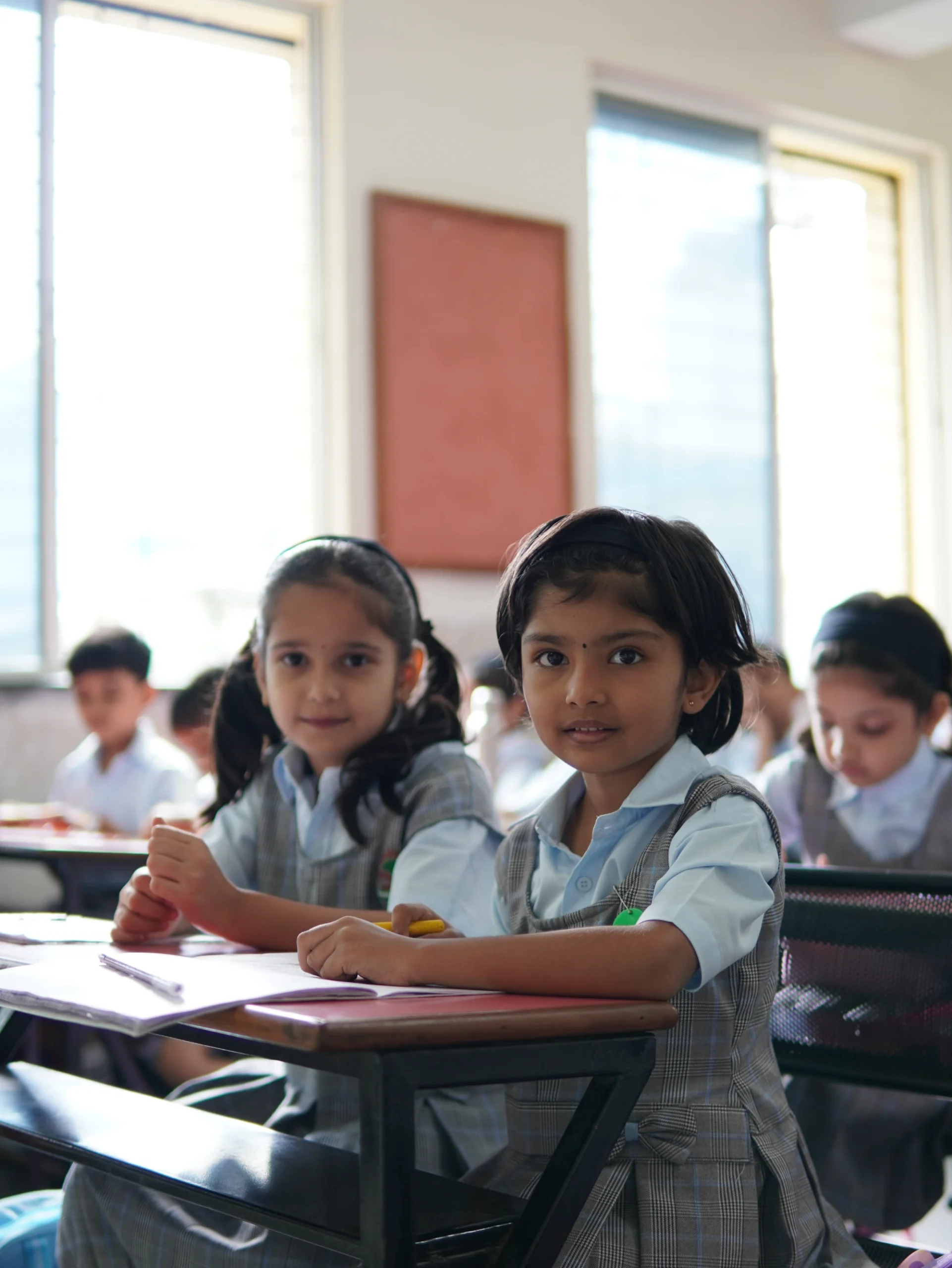
Teachers guide rather than instruct, allowing students to take ownership of their work—a hallmark of the Vidyanchal teaching approach, where learning is active, reflective, and joyful.
The Impact on Secondary School Students
1. Connecting Learning with Real-World Applications
For older students, PBL provides a platform to explore real-world challenges. They might research renewable energy solutions, design eco-friendly school models, or create awareness campaigns for environmental conservation—topics deeply relevant to our times.
This approach aligns with India’s National Education Policy (NEP) 2020, which encourages schools to shift from content-heavy syllabi to competency-based learning focused on creativity, critical thinking, and interdisciplinary understanding.
Vidyanchal integrates these principles seamlessly—allowing secondary students to approach subjects with independence and purpose.
2. Building Collaboration and Leadership
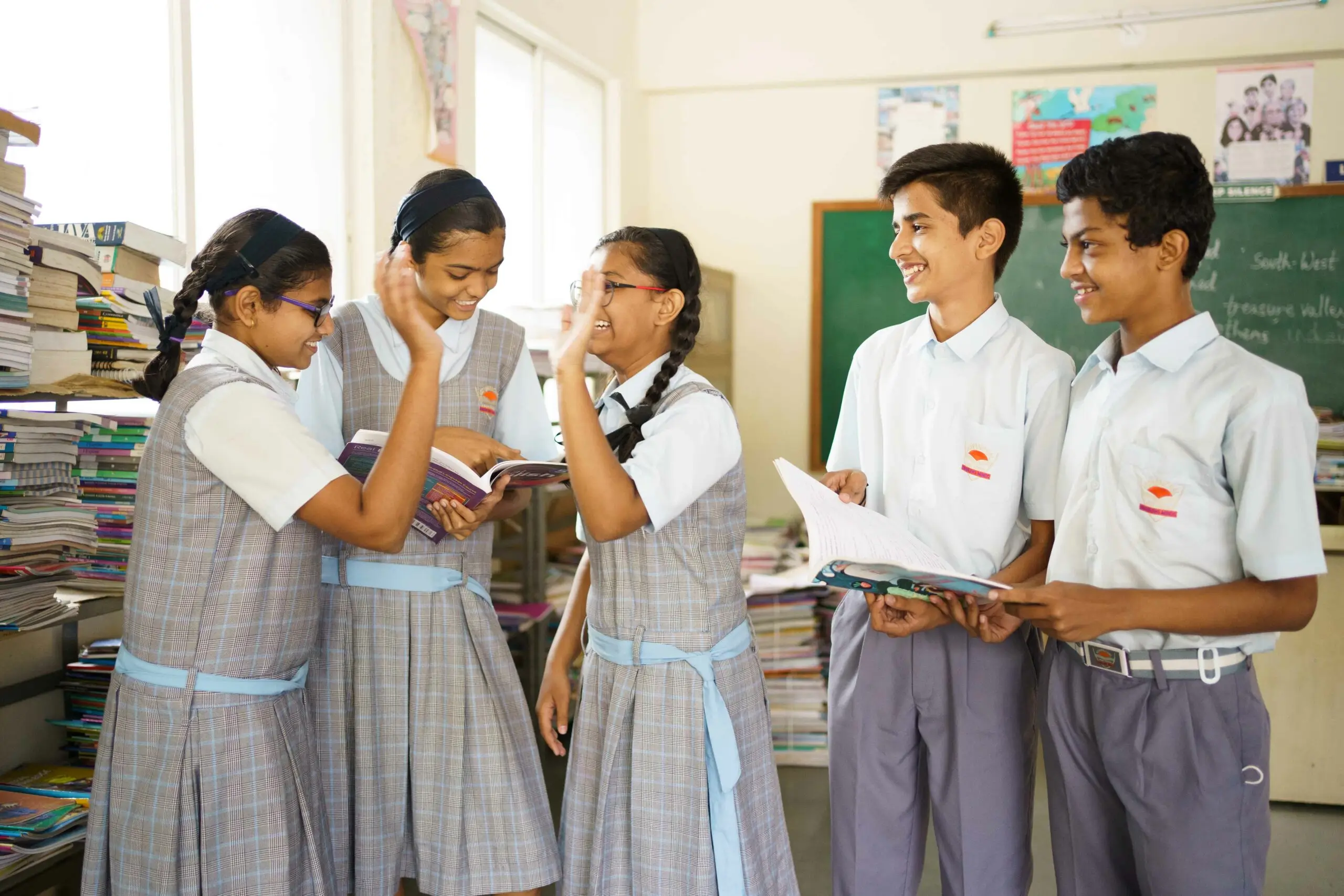
Project-based learning teaches students how to collaborate effectively—a vital life skill. In group projects, each member contributes unique strengths, mirroring real-world teamwork. Students learn to plan, divide responsibilities, communicate respectfully, and resolve conflicts constructively.
At VHS, these qualities are not confined to classrooms. Sports and arts programs further reinforce collaboration and leadership, creating a balanced ecosystem where intellectual and emotional intelligence grow together.
3. Improving Academic Performance and Confidence
Contrary to the misconception that PBL is “less academic,” data shows otherwise. A 2023 Stanford University study found that students participating in project-based science and social studies lessons scored 8–10% higher on standardised assessments than those in traditional settings.
By applying theoretical knowledge to practical challenges, learners grasp complex ideas more deeply. VHS’s commitment to this hands-on model ensures that students achieve both conceptual mastery and self-confidence.
The Teacher’s Role in PBL
In Project-Based Learning, teachers move from being the “sage on the stage” to the “guide on the side.” They curate experiences, ask guiding questions, and help students reflect on their process.
At VHS, educators undergo regular workshops to design integrated projects that connect multiple disciplines. For instance, a project on sustainable living may merge science (energy conservation), mathematics (data analysis), and language (persuasive writing). This interdisciplinary approach makes learning coherent and interconnected.
Moreover, assessment in PBL isn’t limited to grades—it includes peer reviews, reflections, and self-assessment. This develops a sense of accountability and ownership among students.
How VHS Integrates Project-Based Learning
1. In-Class Projects
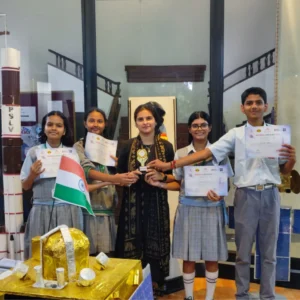
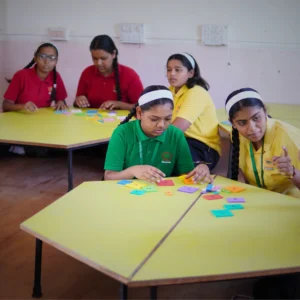
Every term, students undertake projects that align with the academic curriculum—ranging from historical reenactments to science fairs.
2. Community-Based Learning
VHS often connects projects with real-world experiences. For example, environmental awareness campaigns and field studies allow students to observe and contribute to their community.
3. Integration with Sports and Arts
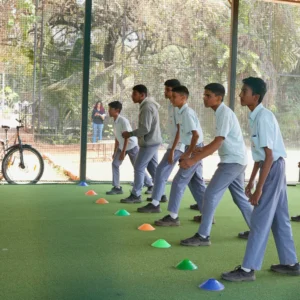
A hallmark of VHS’s holistic education model is that projects aren’t confined to academics. Sports and art projects teach planning, creativity, and discipline. For example, organising an inter-house sports event is a project in itself—requiring teamwork, communication, and strategic thinking.
4. Parental Involvement
Parents are often invited to participate in exhibitions or provide insights related to their professions, reinforcing school-home collaboration, a value deeply embedded in Vidyanchal’s culture.
The Broader Benefits of PBL
- Boosts Motivation – Students are 2x more likely to express enthusiasm for school when engaged in hands-on projects (Education Week, 2022).
- Encourages Lifelong Learning – By connecting learning with life, students develop curiosity that extends beyond exams.
- Strengthens Emotional Resilience – Facing real challenges teaches persistence and adaptability.
- Prepares for the Future – Employers increasingly seek creativity and collaboration—skills nurtured through PBL.
The VHS Advantage
Vidyanchal High School’s commitment to holistic education means academic rigour is always balanced with experiential learning. Whether students are building models, conducting research, or presenting findings, every project reinforces curiosity, collaboration, and compassion.
The school’s supportive environment—where teachers mentor, peers cooperate, and parents participate—ensures that learning is a shared journey.
VHS believes that education is not about answers, but about learning how to ask the right questions. Through project-based learning, students develop not only knowledge but also the mindset to adapt, innovate, and lead in an unpredictable future.
Final Thoughts
In a world where information is abundant but wisdom is rare, Project-Based Learning offers what children truly need—understanding through experience.
At Vidyanchal, PBL is more than a method; it’s a philosophy that prepares students for life beyond the classroom. By encouraging inquiry, creativity, and collaboration, VHS nurtures learners who are confident thinkers, compassionate citizens, and capable leaders—ready to shape the world, one project at a time.