Study habits starter pack is one of the most valuable gifts parents can give their children during the primary school years. While many people associate academic success with intelligence, educational research consistently shows that strong study habits often play an equally important role. Children who learn how to focus, organise information, revise effectively, and manage their time early are better prepared for future academic challenges.
The primary years are when children begin developing learning behaviours that often stay with them throughout school. Rather than focusing only on marks, parents can help children build systems and routines that make learning easier, more enjoyable, and less stressful.
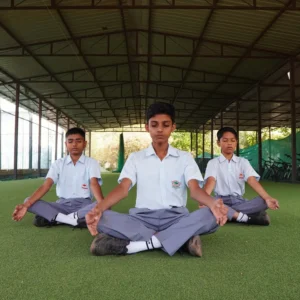
At Vidyanchal High School, developing confident and independent learners is an important part of holistic education. Strong study habits are viewed as skills that support not only academics but also responsibility, confidence, and self-discipline.
Why Study Habits Matter More Than Many Parents Realise
Research in educational psychology has found that students with structured study habits often demonstrate better academic performance, improved organisation, and higher levels of confidence. Some studies have even suggested that study habits can influence academic outcomes as much as subject knowledge itself.
Good study habits help children:
- Complete tasks independently
- Feel less overwhelmed
- Improve memory retention
- Build confidence in learning
- Develop responsibility and self-management
The goal during primary school is not long study hours. It is creating routines that make learning consistent and manageable.
Curious how Vidyanchal High School helps students become confident and independent learners?
Explore the learning environment where strong habits and curiosity grow together.
Focus: Helping Children Concentrate Better
Many parents worry that their child cannot sit still for long periods. The reality is that primary-age children are not expected to focus for hours at a time.
Child development experts often suggest that younger children learn best through shorter, focused learning sessions.
A useful guideline is:
- Ages 6–8: 10–15 minutes of focused study
- Ages 9–11: 20–25 minutes of focused study
After this, a short break helps reset attention.
Simple ways to improve focus include:
Create a Dedicated Study Space
Children concentrate better when they have a consistent place for homework and study.
Reduce Distractions
Turn off televisions and keep unnecessary devices away during study time.
Start With Easier Tasks
Completing a simpler task first creates momentum and confidence.
Use Small Goals
Instead of saying, “Finish all your homework,” try:
- Complete one worksheet
- Read one chapter
- Solve five maths problems
Small wins keep motivation high.
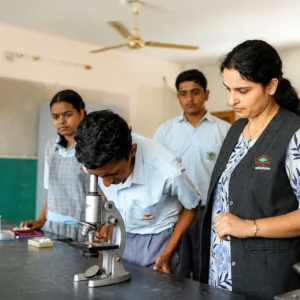
At Vidyanchal High School (VHS), learning activities are designed to keep students actively engaged rather than relying solely on passive instruction.
Notes: Teaching Children to Organise Information
Many students think studying means reading the same page repeatedly. However, educational research suggests that active note-making helps children understand and remember information more effectively.
For primary students, notes should be simple and visual.
Examples include:
Keyword Notes
Write only the most important words from a lesson.
Mind Maps
Connect ideas using drawings and branches.
Colour Coding
Use different colours for:
- Definitions
- Examples
- Important facts
Picture Notes
Younger children often remember information better when they draw visual representations of concepts.
The goal is not perfect notes. The goal is helping children process information actively.
Revision: The Secret to Better Memory
One of the biggest mistakes students make is waiting until a test is announced before revising.
Research on memory suggests that reviewing information regularly helps move learning into long-term memory.
A simple revision strategy for primary students:
Same-Day Review
Spend 5–10 minutes revisiting what was learned that day.
Three-Day Review
Look at the topic again after a few days.
Weekly Review
Spend a few minutes revisiting key concepts at the end of the week.
This process is often called spaced revision, and studies show it can significantly improve retention compared to last-minute cramming.
Simple revision activities include:
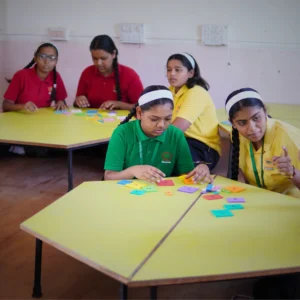
- Flashcards
- Oral questions
- Quick quizzes
- Teaching a parent or sibling
When children explain a concept to someone else, they often understand it more deeply themselves.
Time Management: Teaching Children to Plan Their Day
Time management may sound like an adult skill, but primary school is actually the best time to begin developing it.
Children who learn basic planning skills early often become more organised and independent later.
Simple strategies include:
Use Visual Timetables
Children respond well to schedules they can see.
Example:
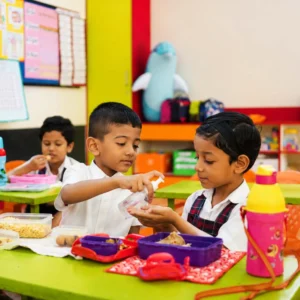
- Snack
- Homework
- Playtime
- Reading
- Family time
Break Tasks Into Smaller Parts
Large tasks can feel overwhelming.
Instead of:
“Finish your project.”
Try:
- Find pictures
- Write title
- Complete first section
Use Timers
A timer can make study sessions feel manageable and focused.
Many children respond positively to “Let’s focus for 15 minutes” rather than “Keep studying.”
At Vidyanchal High School, students are encouraged to build responsibility gradually through structured routines and age-appropriate expectations.
Building a Balanced Study Routine
An effective routine should include:
- Homework
- Reading
- Revision
- Play
- Rest
Research consistently shows that children benefit from a balance between academics, physical activity, and relaxation.
Overloading schedules can reduce motivation and increase stress.
Children need time to:
- Move
- Explore
- Create
- Socialise
These experiences contribute to learning too.
The primary years lay the foundation for future academic confidence.
Explore how Vidyanchal High School supports students in Primary school.
Common Study Habit Mistakes Parents Should Avoid
Doing Homework for the Child
Support is important, but children learn through doing.
Comparing Children
Every child develops study skills at a different pace.
Focusing Only on Marks
Praise effort, consistency, and improvement.
Expecting Long Study Hours
Primary students benefit more from regular short sessions than marathon study periods.
Ignoring Sleep
Children aged 6–12 typically need between 9 and 12 hours of sleep for healthy learning and concentration.
Why Study Habits Build Confidence
Strong study habits do more than improve academic performance.
They help children:
- Feel prepared
- Reduce anxiety
- Become independent learners
- Develop self-discipline
- Build resilience
When children know how to approach a task, they often feel more confident tackling challenges.
This confidence frequently carries over into sports, activities, and social situations as well.
Study Skills Are Life Skills
Focus, organisation, revision, and time management are not just school skills. They are life skills.
Children who develop these habits early often become:
- Better problem-solvers
- More organised individuals
- Independent learners
- Confident decision-makers
At Vidyanchal High School, these skills are nurtured alongside academic learning because education is about preparing children for life, not just examinations.
School life is shaped through learning, creativity, leadership, and shared experiences.
Explore the events and activities that bring the Vidyanchal High School community together.
Final Thoughts
Study habits starter pack is not about creating perfect students. It is about helping children develop simple, sustainable routines that make learning easier and more enjoyable.
By focusing on concentration, effective note-making, regular revision, and basic time management, parents can help children build habits that support academic success for years to come.
At Vidyanchal High School, students are encouraged to become confident, curious, and independent learners. When strong habits are built early, children gain skills that extend far beyond the classroom and support lifelong growth.
FAQs
1. At what age should children start learning study habits?
Children can begin developing simple study routines as early as primary school through reading, organisation, and homework habits.
2. How long should a primary school child study each day?
Short focused sessions of 15–30 minutes are usually more effective than long study periods.
3. What is the best revision method for young children?
Regular short reviews, flashcards, oral questioning, and teaching others are highly effective.
4. How can parents improve a child’s focus during homework?
Create a distraction-free study space, use timers, and break tasks into smaller goals.
5. Why is time management important for primary students?
Time management helps children stay organised, reduce stress, and develop independence from an early age.