How to build attention span in kids is a growing concern for parents in today’s fast-moving digital world. Between short-form videos, constant notifications, fast-paced entertainment, and multitasking habits, many children now struggle to stay focused for extended periods. Parents often notice children jumping quickly between activities, losing concentration during homework, or becoming restless during tasks that require patience.
The good news is that attention span is not simply something children are “born with” — it can be developed gradually through routines, environment, and the right activities. Research in child psychology and cognitive development shows that focus improves when children regularly engage in activities requiring memory, observation, patience, and problem-solving.
At Vidyanchal High School, educators recognise that concentration is built over time through balanced learning, movement, structured routines, and engaging classroom experiences.
Why Attention Span Matters
Attention span affects almost every part of a child’s learning experience.
Children with stronger focus skills are often better able to:
- Follow instructions
- Complete tasks independently
- Participate in class discussions
- Retain information
- Manage emotions during challenging tasks
Research in educational psychology consistently shows that attention plays a major role in academic readiness and classroom performance. Focus also influences confidence. Children who can stay engaged with tasks often feel more successful and less frustrated.
Why Attention Spans Are Changing Today
Modern environments place constant demands on children’s attention.
Common challenges include:
- Short-form content consumption
- Frequent screen switching
- Background distractions
- Multitasking habits
- Reduced outdoor play and quiet time
Studies on child screen habits suggest excessive rapid digital stimulation may affect sustained attention and patience in some children. When children become used to constant instant entertainment, slower activities such as reading, writing, or problem-solving can feel more difficult.
This does not mean technology is always harmful—but balance becomes extremely important.
Games That Help Build Attention Span
The best way to improve focus is often through play rather than pressure. Children naturally engage more deeply when activities feel enjoyable and interactive.
1. Memory Card Games
Memory games remain one of the most effective focus-building activities.
How It Works:
- Place cards face down
- Children flip two cards at a time
- Match identical pairs
Skills Developed:
- Visual memory
- Concentration
- Patience
- Observation
Children gradually improve attention because they must stay mentally engaged throughout the game.
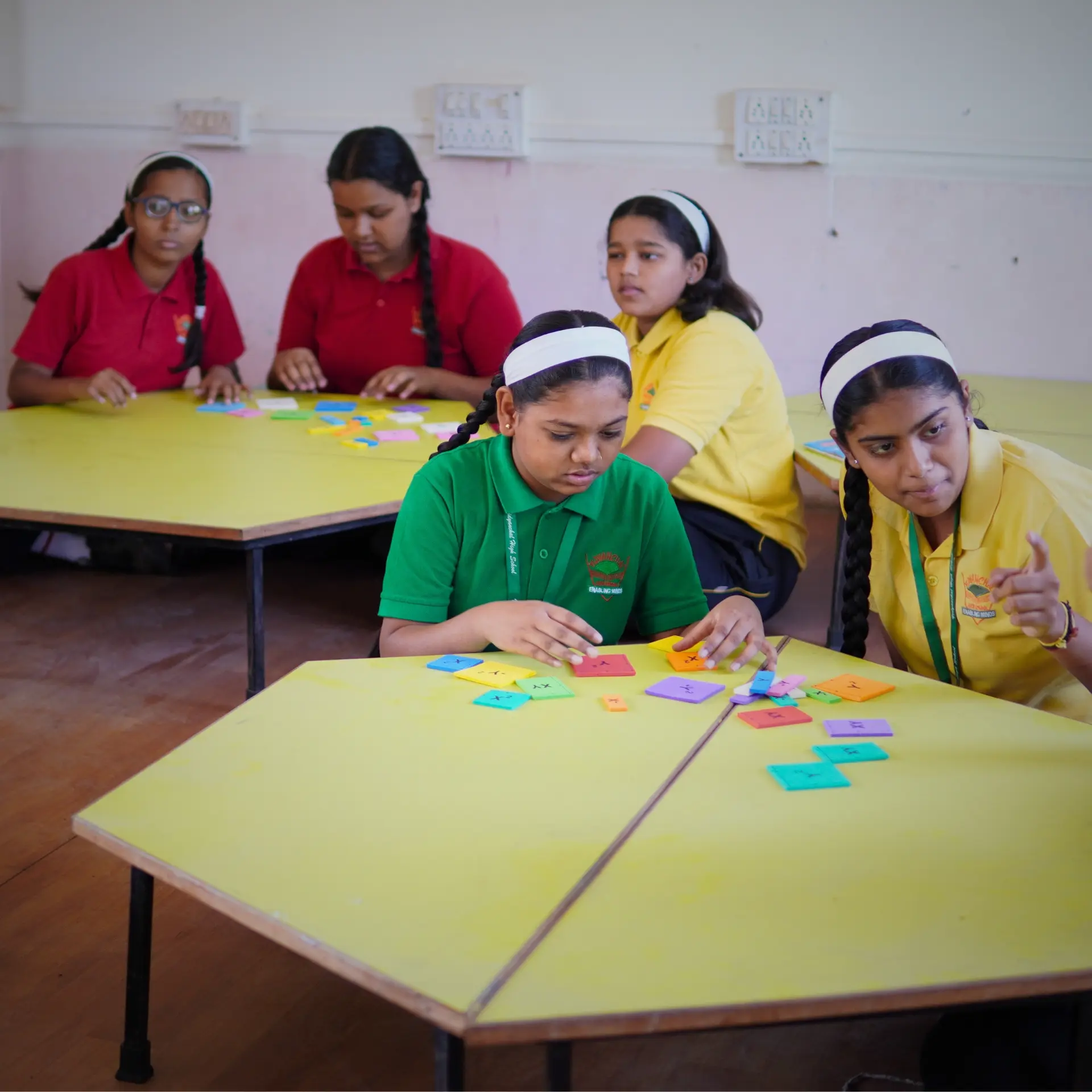
2. Puzzle Challenges
Puzzles encourage children to sustain attention for longer periods while solving problems.
Options include:
- Jigsaw puzzles
- Word puzzles
- Maze books
- Sudoku for kids
Research suggests puzzle-solving supports:
- Cognitive flexibility
- Focus endurance
- Pattern recognition
Children also experience satisfaction when completing tasks independently.
At Vidyanchal High School (VHS), structured problem-solving activities are encouraged because persistence and concentration grow through repeated practice..
Learn more about the vision guiding Vidyanchal High School.
3. Simon Says
This classic game is excellent for attention and impulse control.
Example Commands:
- “Simon says touch your nose.”
- “Simon says jump twice.”
- “Clap your hands.” (without “Simon says”)
Children must listen carefully before reacting.
Benefits:
- Listening focus
- Self-control
- Processing speed
- Attention to detail
Games involving listening and movement are especially effective for younger children.
4. Spot-the-Difference Activities
Visual observation games strengthen sustained focus.
Children search carefully for:
- Missing details
- Shape differences
- Colour changes
This encourages:
- Patience
- Visual attention
- Careful scanning skills
Even short daily sessions help improve concentration gradually.
5. Building Games and Blocks
Construction activities naturally increase focus because children become deeply involved in planning and creating.
Examples:
- LEGO building
- Magnetic tiles
- Wooden blocks
- Marble tracks
Children practicing structured building activities often:
- Stay engaged longer
- Develop problem-solving skills
- Improve hand-eye coordination
These activities also encourage perseverance when structures fail or need adjustment.
6. Story Listening Challenges
Listening activities are powerful for developing mental focus.
Try:
- Reading short stories aloud
- Asking children questions afterward
- Encouraging retelling in their own words
Questions may include:
- “What happened first?”
- “Who was your favourite character?”
- “What do you think happens next?”
This strengthens:
- Listening attention
- Memory recall
- Sequencing skills
Children who practice attentive listening often perform better in classroom discussions too.
7. Board Games That Require Patience
Board games naturally train children to:
- Wait their turn
- Follow rules
- Plan ahead
- Stay engaged
Good options:
- Chess
- Ludo
- Uno
- Connect Four
Research in child learning environments suggests structured games improve executive functioning skills such as attention control and decision-making.
8. Treasure Hunts
Treasure hunts combine movement with sustained attention.
Children must:
- Follow clues
- Observe carefully
- Remember instructions
- Solve simple problems
This creates active focus rather than forced concentration.
Habits That Support Better Attention Span
Games help greatly, but daily habits matter too.
1. Sleep
Children aged 6–12 typically need 9–12 hours of sleep. Poor sleep significantly affects concentration and emotional regulation.
2. Outdoor Play
Physical movement improves mood and focus.
3. Reduced Background Noise
Television running constantly can divide attention.
4. Consistent Routines
Predictable schedules reduce mental overload.
5. Shorter Focus Sessions
Younger children often focus better in smaller time blocks rather than long sessions.
What Parents Should Avoid
Overloading Schedules
Too many activities can overwhelm children mentally.
Constant Interruptions
Allow children uninterrupted time to complete tasks.
Comparing Attention Spans
Every child develops differently.
Expecting Adult-Level Focus
Attention grows gradually with age and practice.
The Link Between Focus and Confidence
Children who improve focus often become:
- More independent learners
- Less frustrated during homework
- More confident participating in class
- Better at completing tasks
Small improvements in concentration can create major changes in overall learning experience.
At Vidyanchal High School, focus-building is approached through balanced academics, engaging activities, movement, and supportive classroom environments rather than pressure alone.
See how Vidyanchal High School supports learners through Secondary education.
Focus Is Built Slowly, Not Instantly
Attention span develops like a muscle—it strengthens through regular practice.
Children do not improve focus because they are repeatedly told to “concentrate.” They improve when:
- Activities feel engaging
- Tasks match developmental level
- Routines support consistency
- Adults remain patient and encouraging
The goal is progress, not perfection.
Explore the vibrant events and student activities at Vidyanchal High School.
Final Thoughts
How to build attention span in kids is not about forcing long study hours or eliminating all distractions overnight. Focus develops gradually through games, routines, movement, sleep, and meaningful engagement.
Activities like puzzles, storytelling, memory games, board games, and treasure hunts help children strengthen concentration naturally while still enjoying themselves.
At Vidyanchal High School, developing attention, curiosity, and confidence are all considered important parts of holistic education. When children learn how to focus steadily, they are better prepared not only for academics but also for communication, creativity, and lifelong learning.
Sometimes the best way to build concentration is simply through play that keeps children curious long enough to stay engaged.