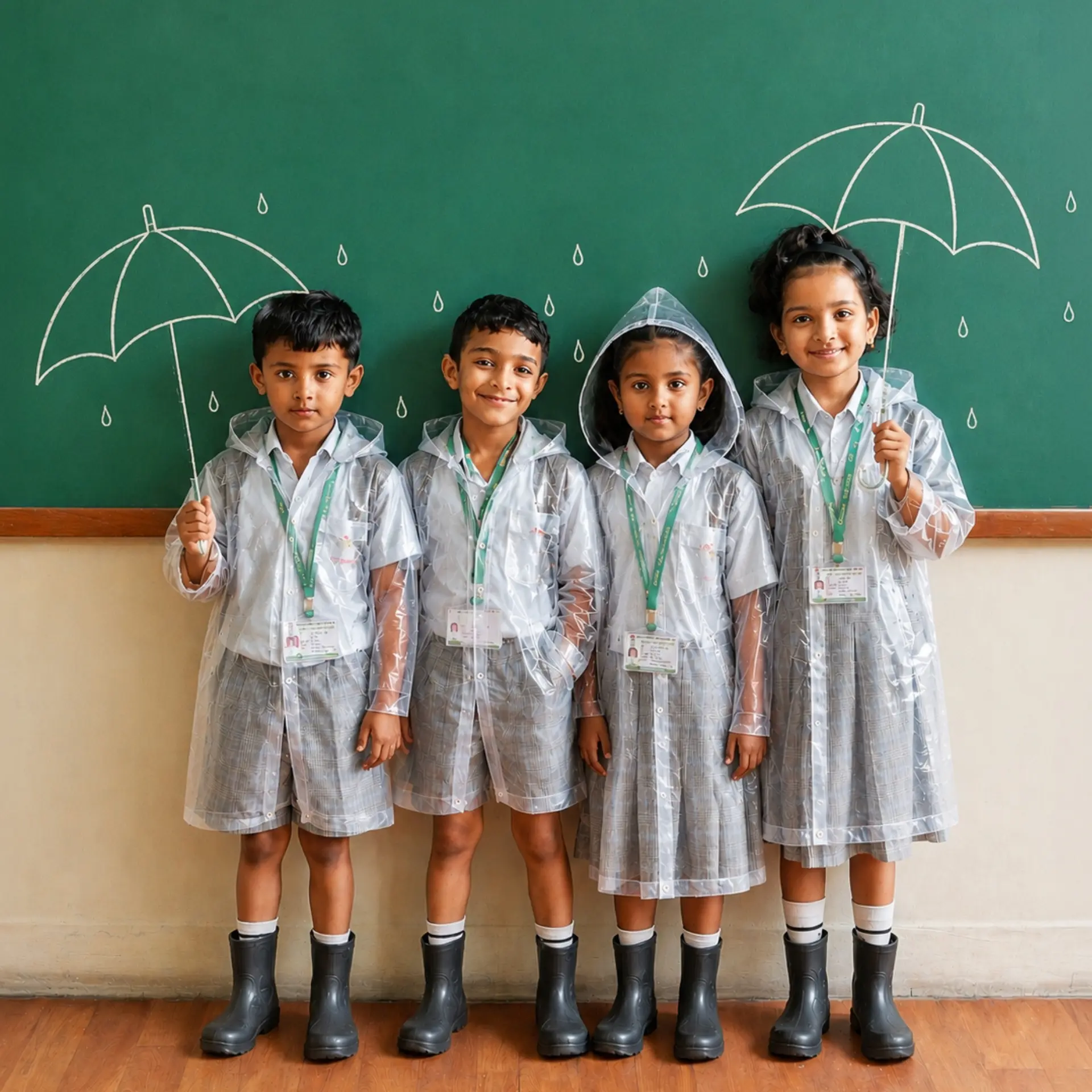
Monsoon prep starts early when families begin thinking beyond uniforms, books, and school bags. As schools reopen during or around the rainy season, hygiene becomes one of the most important habits children need to carry back into the classroom. Damp weather, muddy shoes, wet clothes, seasonal infections, and increased germ spread make monsoon months a time when prevention matters.
For parents, the goal is not to create fear around germs—it is to build simple, repeatable hygiene habits before the school term begins. When children practice these routines early, they return to school with more confidence, better health awareness, and greater independence.
At Vidyanchal High School, balanced student development includes life habits such as hygiene, responsibility, and self-care. Healthy routines often begin at home and become stronger through consistent school environments.
Why Monsoon Hygiene Matters for School Children
Monsoon weather creates specific health challenges for children because moisture and humidity increase exposure to bacteria, fungi, and viruses. Shared classroom spaces, wet playground areas, and close contact with peers can make everyday hygiene especially important.
Children are also more likely during monsoon to experience:
- Colds and coughs
- Stomach infections from poor hand hygiene
- Skin irritation from damp clothes or shoes
- Seasonal allergies
- Fungal issues in feet or nails
Simple preventive habits significantly reduce many common school-season illnesses.
Start 2 Weeks Before School Reopens
The best time to build hygiene habits is before the first day back. Just like sleep schedules or homework routines, hygiene works better when introduced gradually.
A 10–14 day preparation period helps children practice:
- Handwashing consistency
- Bag organisation
- Rainwear responsibility
- Shoe drying routines
- Personal cleanliness habits
When habits are familiar before school begins, children are more likely to continue them independently.
1. Reinforce Proper Handwashing
Handwashing remains one of the most effective health habits for children.
Teach children to wash hands:
- Before eating
- After using the washroom
- After returning home
- After coughing/sneezing
- After touching muddy or wet surfaces
Aim for 20 seconds with soap and water, covering palms, fingers, nails, and wrists.
Younger children often respond well to songs, counting games, or visual reminders.
2. Teach the “Wet to Dry” Routine
During monsoon, children may come home with damp socks, shoes, raincoats, or umbrellas. Leaving wet items packed away can create odor, mould, or bacterial growth.
Create a simple rule:
Wet items never stay in the bag.
Children should learn to:
- Empty the school bag
- Remove lunchbox and bottle
- Hang raincoat
- Open umbrella to dry
- Remove socks immediately
- Air out shoes
This builds responsibility as well as hygiene awareness.
Every school has a philosophy beyond academics.
Learn more about the values and approach that guide Vidyanchal High School.
3. Nail Hygiene and Personal Cleanliness
During rainy seasons, mud and moisture often collect under fingernails and on hands. Short, clean nails reduce dirt accumulation and help handwashing become more effective.
Weekly routine:
- Trim nails once a week
- Wash hands thoroughly after outdoor play
- Bathe after getting drenched in rain
- Change into dry clothes quickly
Children who practice personal cleanliness early often become more self-reliant during school routines.
4. Shoes, Socks, and Foot Care
Feet are commonly overlooked during monsoon months.
Children wearing damp socks or shoes for long periods may face:
- Bad odor
- Skin irritation
- Fungal issues
- Discomfort in class
Helpful habits:
- Keep an extra pair of socks if possible
- Dry shoes fully overnight
- Alternate footwear if one pair remains damp
- Wash feet and dry between toes after returning home
Comfortable children focus better in school.
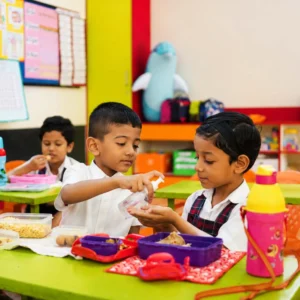
5. Water Bottle and Lunchbox Hygiene
Monsoon humidity can worsen food spoilage if lunch items or containers are not handled properly.
Teach children to:
- Empty lunchbox after school immediately
- Wash lunchbox daily
- Dry containers fully before reuse
- Refill clean water bottles each morning
Parents can also prefer fresh, balanced meals packed hygienically rather than items that spoil easily in warm, humid conditions.
6. Cough, Sneezing, and Shared Space Etiquette
Schools bring many children into shared indoor spaces. Good respiratory habits help protect everyone.
Children should learn to:
- Cover coughs with elbow
- Use tissues when available
- Wash hands afterward
- Avoid touching face repeatedly
- Inform teachers if feeling unwell
These habits are not only hygienic—they also teach respect for community well-being.
7. Build Independence Through Checklists
Children remember routines better when they can see them.
Create a simple school-morning hygiene checklist:
- Brushed teeth
- Bathed / freshened up
- Clean uniform
- Handkerchief / tissues packed
- Water bottle packed
- Nails checked weekly
- Rain gear ready
Visual systems reduce nagging and increase independence.
Strong habits in childhood create confident learners later.
Explore how Vidyanchal High School supports students in Primary school.
Why Hygiene Habits Improve Learning Too
Good hygiene is not separate from academics. Healthier children often experience:
- Better attendance
- More classroom focus
- Fewer disruptions due to illness
- Greater confidence in social settings
- Stronger self-management skills
When children feel physically comfortable and prepared, they engage more positively with school life.
At Vidyanchal High School (VHS), routines that support responsibility, discipline, and student well-being are an important part of educational growth.
Helping Older Students Stay Responsible
Older children may resist reminders, so involve them in ownership.
Ask them to manage:
- Their own bag cleaning
- Shoe drying routine
- Bottle refill habits
- Uniform readiness
- Personal hygiene checklist
Students who manage routines independently develop stronger maturity and time management.
See how Vidyanchal High School supports learners through Secondary education.
Common Parent Mistakes to Avoid
Doing Everything for the Child
Support them—but let them participate.
Only Giving Verbal Reminders
Visual routines work better.
Waiting Until School Starts
Start early for smoother habits.
Making Hygiene Fear-Based
Use confidence and responsibility, not anxiety.
Make It Positive and Practical
Use encouraging language like:
- “You’re becoming school-ready.”
- “Great job remembering your bottle.”
- “You handled your rain gear independently.”
Positive reinforcement helps habits stick faster than criticism.
Explore the vibrant events and activities at Vidyanchal High School.
Final Thoughts
Monsoon prep starts early when families recognise that hygiene habits matter just as much as notebooks and uniforms. By teaching handwashing, wet-item routines, lunchbox hygiene, shoe care, and personal responsibility before school reopens, children return more prepared and more confident.
At Vidyanchal High School, student growth includes everyday habits that build discipline, independence, and well-being. Strong hygiene routines today can lead to healthier, happier school months ahead.
Sometimes the smartest school prep begins in the bathroom, the shoe rack, and the school bag.