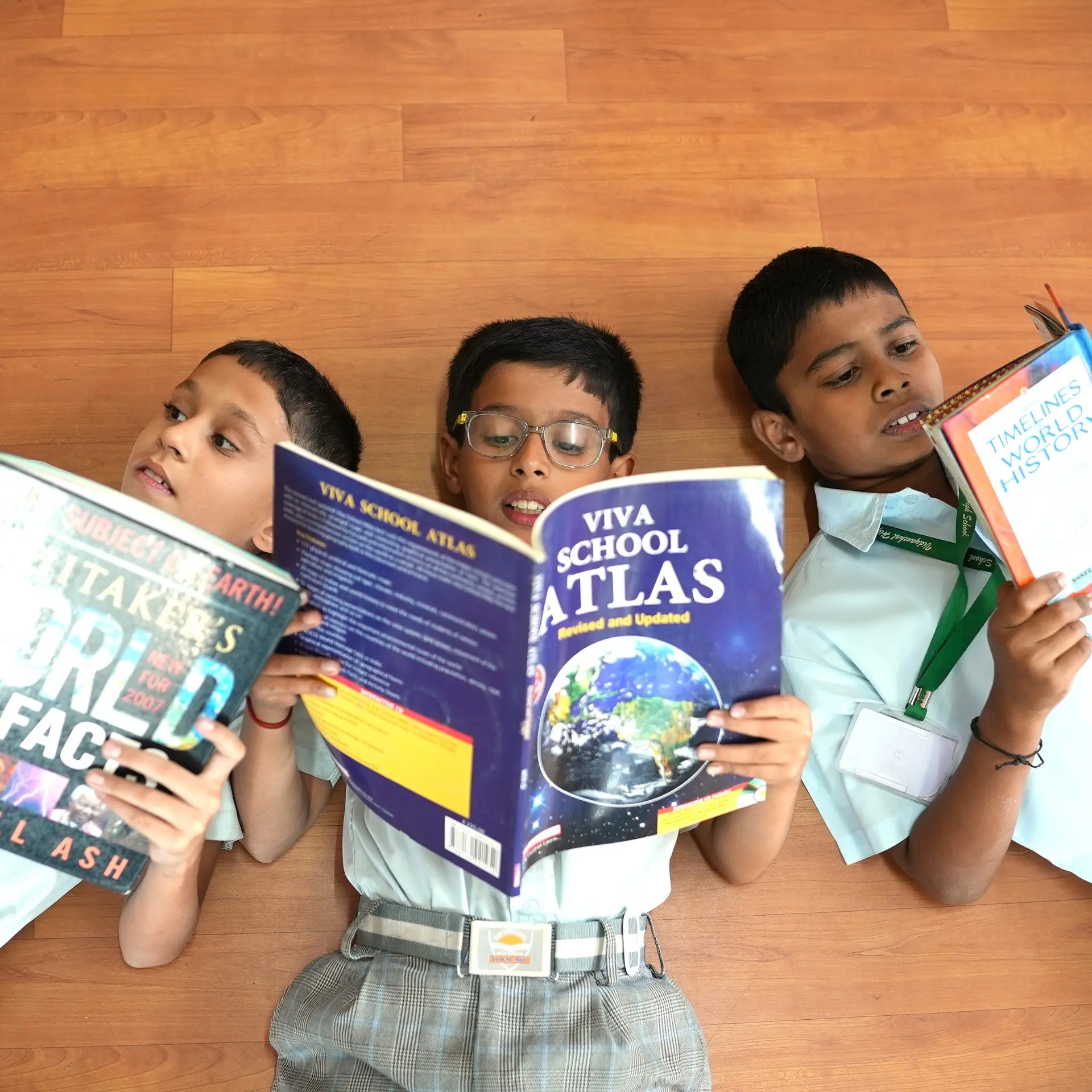
How to build a reading habit in 21 days is a question many parents ask during summer vacation. With school schedules paused and routines relaxed, summer offers the perfect opportunity to introduce children to the joy of reading. Instead of treating reading like homework, the goal is to make it feel like a daily adventure—something children look forward to rather than avoid.
Research in child development suggests that consistent small habits repeated daily can gradually become part of a child’s routine. A simple three-week reading plan can help children move from occasional reading to a genuine love for books.
At Vidyanchal High School, educators often encourage families to treat reading as a joyful activity rather than a strict academic task. When children associate books with curiosity and imagination, they are far more likely to develop lifelong reading habits.
Why Summer Is the Best Time to Start a Reading Habit
During the academic year, reading is often associated with textbooks and assignments. Summer creates a different environment—one where children can explore stories, characters, and ideas purely for enjoyment.
Reading during summer helps children:
- Maintain vocabulary and comprehension skills
- Strengthen imagination and creativity
- Improve concentration and focus
- Develop curiosity about new topics
Studies of reading habits in school-age children show that those who read regularly outside school tend to demonstrate stronger language skills and improved academic confidence when the new school year begins.
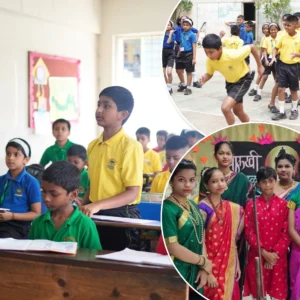
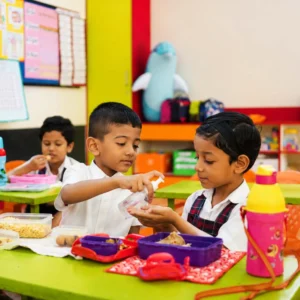
Explore the environment where young minds grow with confidence.
The 21-Day Reading Habit Approach
Habit formation experts often say that consistency is more important than intensity. Instead of asking children to read for long periods, the focus should be on short, enjoyable daily reading sessions.
A 21-day approach works because it gradually turns reading into a familiar part of a child’s day.
Week 1: Make Reading Fun
The first week should focus on creating positive associations with books.
Parents can:
- Let children choose their own books
- Start with short stories, comics, or illustrated books
- Read together as a family
- Create a cozy reading corner at home
The goal is not to push difficult material but to help children see reading as relaxing and enjoyable.
Children who feel ownership over their book choices are more likely to stay engaged.
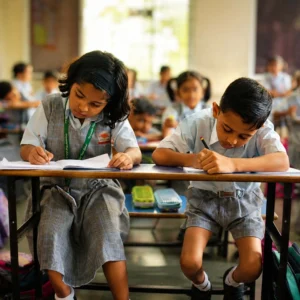
Discover the ideas that guide Vidyanchal High School.
Week 2: Build Consistency
By the second week, children begin to expect reading as part of their daily routine.
Parents can encourage consistency by:
- Setting a fixed reading time each day
- Keeping reading sessions around 15–20 minutes
- Asking children to talk about the story afterward
- Celebrating progress with small rewards
Discussing what they read helps children develop comprehension skills and makes reading feel interactive.
At Vidyanchal High School (VHS), teachers often encourage students to share stories and ideas from books, helping them connect reading with discussion and creativity.
Week 3: Turn Reading Into a Habit
In the final week, reading becomes a normal part of the day rather than a new activity.
Parents can expand the experience by:
- Introducing slightly longer books
- Encouraging children to read independently
- Visiting libraries or book stores
- Allowing children to recommend books to friends
At this stage, children often begin to develop personal reading preferences—adventure stories, science books, mystery novels, or biographies.
Allowing them to explore these interests helps sustain the habit beyond the initial 21 days.
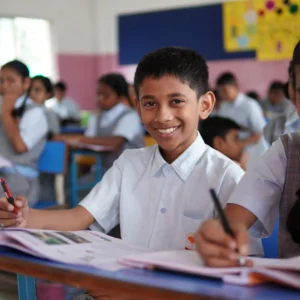
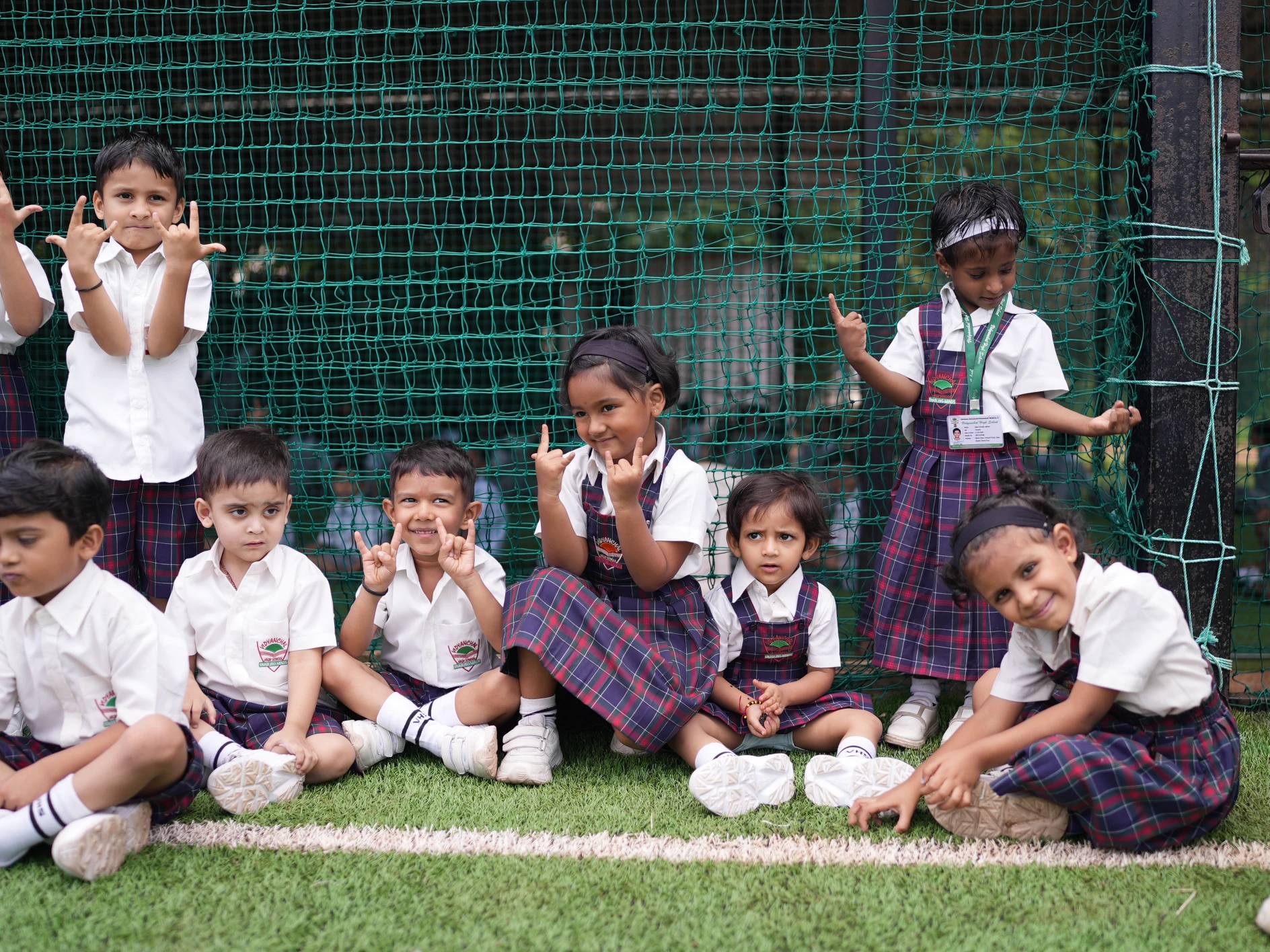
Explore how Vidyanchal High School supports students in Primary school.
Creating the Right Reading Environment
The environment around reading plays an important role in habit formation.
Parents can create a supportive reading culture by:
- Keeping books easily accessible
- Limiting distractions during reading time
- Reading themselves as role models
- Encouraging curiosity about new topics
Children are far more likely to read regularly when they see reading valued at home.
Balancing Reading with Summer Fun
Reading habits do not need to replace summer play. In fact, combining reading with everyday experiences makes the habit stronger.
Examples include:
- Reading about animals before visiting a zoo
- Reading adventure stories before a family trip
- Exploring science books before a simple home experiment
Connecting books with real-life experiences makes reading more meaningful and memorable.
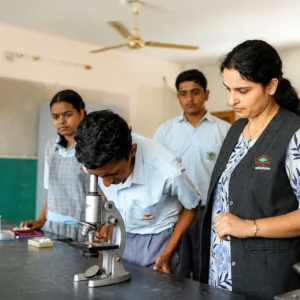
Discover how Vidyanchal High School supports students through Secondary education.
Encouraging Lifelong Reading
The ultimate goal is not just a 21-day challenge but a lifelong relationship with books.
Children who read regularly often develop:
- Stronger vocabulary and communication skills
- Better concentration
- Greater imagination and creativity
- Improved academic confidence
Reading also helps children develop empathy and emotional understanding by allowing them to experience different perspectives through stories.
Schools that encourage reading alongside academics often see students become more confident learners.
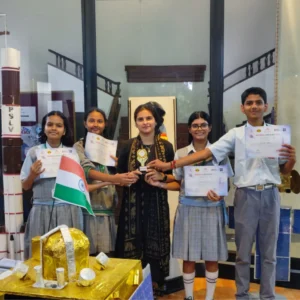
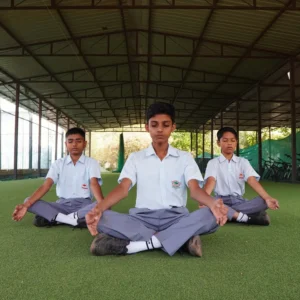
Explore the activities and events that bring the Vidyanchal High School community together.
Final Thoughts
How to build a reading habit in 21 days does not require strict rules or long study sessions. With the right environment, engaging books, and consistent daily practice, children can begin to see reading as an enjoyable part of life.
Summer offers the perfect opportunity to start this journey. By turning reading into a daily adventure rather than a task, parents can help children develop a habit that supports learning, creativity, and confidence for years to come.
At Vidyanchal High School, nurturing curiosity and encouraging exploration through reading is an important part of holistic education. When children discover the joy of books early, they carry that curiosity with them throughout their academic journey.
FAQs
1. How long should children read each day during summer?
Even 15–20 minutes of daily reading can significantly strengthen vocabulary and comprehension skills.
2. What types of books should children start with?
Children should begin with books they enjoy—comics, short stories, illustrated books, or adventure series.
3. What if my child resists reading?
Allow them to choose books themselves and start with very short sessions to build comfort and interest.
4. Is reading aloud helpful for older children?
Yes. Reading aloud together can improve pronunciation, comprehension, and engagement with stories.
5. Can reading replace academic study during summer?
Reading complements learning but should remain enjoyable and balanced with play, creativity, and outdoor activities.