
Summer vacation routine for kids is something many parents start thinking about as soon as the school year ends. While vacations are meant for rest and freedom, completely unstructured days can sometimes lead to boredom, excessive screen time, and disrupted sleep schedules. The challenge for many parents is finding the right balance—creating a routine that keeps children active and curious without making the holidays feel like school.
A thoughtful summer routine can help children maintain healthy habits, explore new interests, and return to school refreshed rather than overwhelmed. At Vidyanchal High School, educators often encourage families to think of summer as a time for exploration, creativity, and gentle learning rather than strict academic schedules.
Why a Light Summer Routine Helps Children
During the school year, children follow structured schedules every day. Suddenly removing all structure during summer can affect sleep cycles, attention span, and motivation.
Research in child development suggests that children benefit from predictable daily rhythms, even during holidays. A simple routine can help maintain:
- Healthy sleep habits
- Balanced screen time
- Regular physical activity
- Continued curiosity and learning
Children who maintain some daily structure during long breaks often transition back to school more smoothly when the new academic term begins.
The Goal: Structure Without Pressure
A summer routine should never feel like a classroom timetable. Instead, it should combine fun, relaxation, creativity, and light learning.
Parents often find success by planning days around broad blocks such as:
- Morning activity
- Creative time
- Outdoor play
- Quiet learning
- Family time
This flexible structure ensures that children stay engaged without feeling restricted.
A Simple Daily Summer Routine
Here is an example of a balanced daily plan that keeps children active while preserving the relaxed spirit of summer.
Morning: Start the Day with Energy
Children naturally have the most energy in the morning. This is a great time for activities that involve movement and curiosity.
Examples include:
- Outdoor play or sports
- Cycling or a short walk
- Simple reading or storytelling
- Creative drawing or craft
Morning activity helps children feel refreshed and sets a positive tone for the day.
Late Morning: Light Learning Without Pressure
This time can be used for activities that stimulate the mind without feeling like homework.
Ideas include:
- Reading storybooks or comics
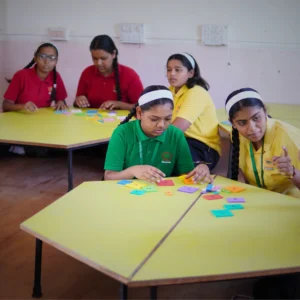
- Educational games or puzzles
- Writing short stories or journaling
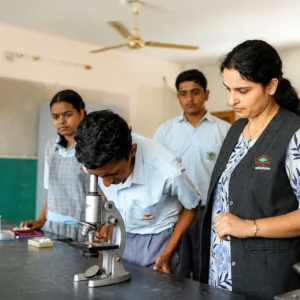
- Exploring science experiments at home
Even 20–30 minutes of reading daily can significantly improve vocabulary and comprehension skills over time.
At Vidyanchal High School (VHS), educators often remind parents that learning during summer does not have to involve textbooks. Curiosity-driven activities can be just as valuable.
Midday: Free Play and Relaxation
Summer afternoons should allow children to relax and recharge.
This may include:
- Indoor games
- Building blocks or puzzles
- Listening to music
- Watching a favourite show
Allowing children to choose their activities during this time helps develop independence and creativity.
Afternoon: Creative Exploration
Summer vacations are an excellent opportunity for children to explore interests beyond academics.
Activities might include:
- Painting or craft projects
- Music practice
- Gardening
- Cooking simple recipes with parents
Creative activities improve problem-solving skills and allow children to express themselves freely.
Evening: Outdoor Play and Social Interaction
Physical activity remains essential for children’s health and well-being.
Evening activities can include:
- Playing sports with friends
- Visiting parks or playgrounds
- Family walks or cycling
Regular outdoor play supports both physical fitness and emotional well-being.
Night: Family Time and Reflection
Ending the day calmly helps children maintain healthy sleep habits.
Evening routines may include:
- Family conversations
- Reading before bedtime
- Reflecting on the day’s activities
Consistent bedtime routines help children maintain stable sleep cycles even during vacations.
Learn more about the vision that guides Vidyanchal High School.
Keeping Screen Time Balanced
One of the biggest challenges during summer vacation is managing screen time. Without school schedules, children may spend many hours on devices.
Experts suggest setting reasonable boundaries such as:
- Fixed screen time windows
- Device-free meal times
- Encouraging offline hobbies and games
Balanced routines help children enjoy technology while still engaging in physical and creative activities.
See how Vidyanchal High School nurtures joyful exploration in Pre-Primary.
Encouraging Independence During Summer
Summer routines also provide opportunities for children to develop independence.
Parents can encourage children to:
- Choose their daily activities
- Help with household tasks
- Organize personal study or reading time
These small responsibilities help children build confidence and practical life skills.
Preparing for the Next Academic Year
While summer should remain relaxed, a small amount of academic engagement helps children stay mentally active.
Examples include:
- Reading books regularly
- Practicing handwriting or journaling
- Solving puzzles and brain teasers
These activities keep learning habits alive without creating pressure.
As students grow older, maintaining light academic routines can make the transition into the next academic year much smoother.
Discover how Vidyanchal High School guides students through Secondary education.
Summer Is Also About Experiences
Some of the most meaningful learning during vacations happens through experiences rather than textbooks.
Families can plan:
- Visits to museums or historical sites
- Nature walks and outdoor exploration
- Cultural events and performances
- Community activities or volunteering
Such experiences broaden children’s perspectives and help them connect classroom knowledge with the real world.
Final Thoughts
Summer vacation routine for kids does not have to resemble the strict schedules of the school year. A simple, flexible routine that balances play, creativity, physical activity, and light learning can help children make the most of their holidays.
When children stay curious, active, and engaged during summer, they return to school with renewed energy and confidence. At Vidyanchal High School, the belief is that meaningful learning happens not only in classrooms but also through everyday experiences, exploration, and joyful discovery.
By creating a thoughtful summer routine, parents can give children the freedom of vacation while still nurturing habits that support lifelong learning.
FAQs
1. Should children study during summer vacation?
A small amount of reading or creative learning is beneficial, but summer should mainly focus on exploration, play, and relaxation.
2. How many hours should kids spend on activities each day?
Most children benefit from a mix of physical activity, creative time, and reading spread throughout the day rather than long continuous sessions.
3. Is it okay for children to sleep late during summer?
Slight flexibility is fine, but maintaining a consistent sleep routine helps children stay healthy and energetic.
4. How can parents reduce excessive screen time during vacations?
Setting specific screen time windows and encouraging outdoor or creative activities helps maintain balance.
5. What is the most important part of a summer routine?
The goal is balance—ensuring children enjoy rest, play, creativity, and curiosity without feeling pressured by strict schedules.