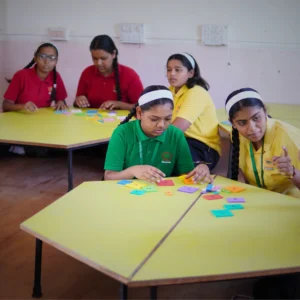
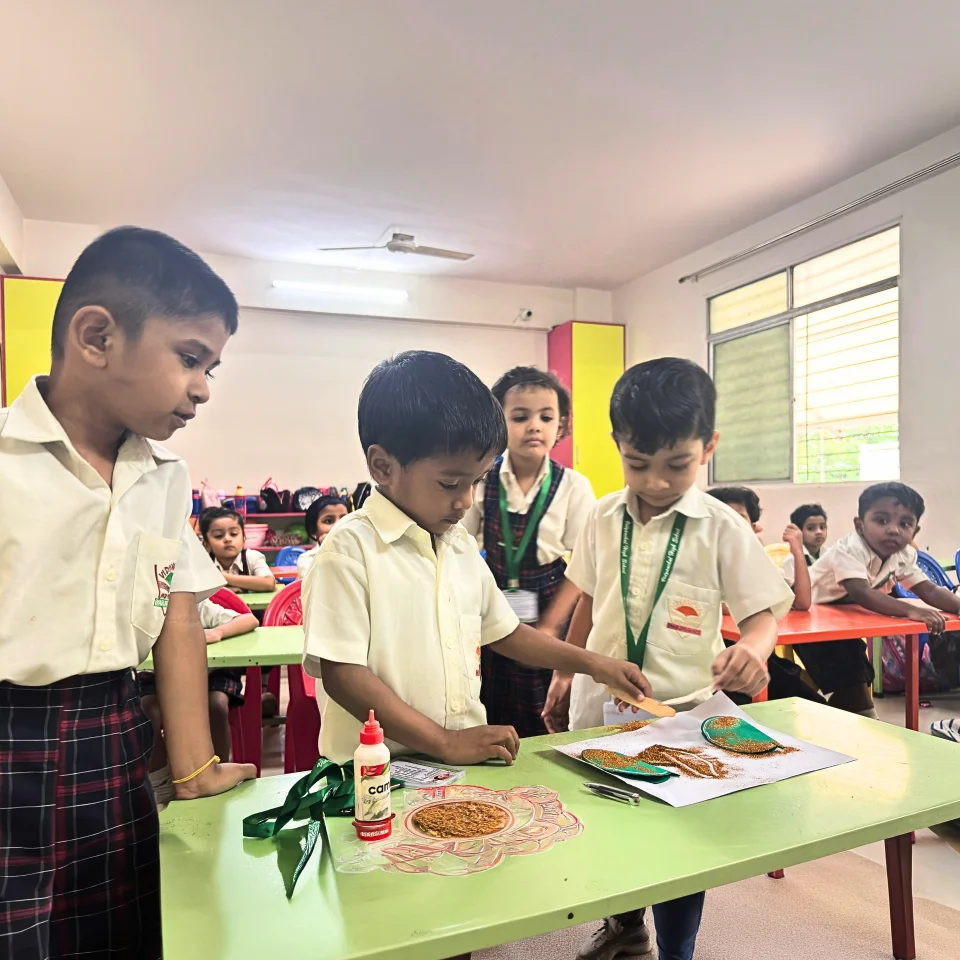
Benefits of peer tutoring are becoming increasingly clear to parents and educators across Pune. Classrooms today are no longer only about teachers delivering lessons from the front of the room. Increasingly, students are learning from one another through structured peer support, collaborative study, and guided discussion. When students help students learn, understanding often becomes deeper, confidence grows faster, and learning feels more natural.
In progressive school environments, peer tutoring is not a replacement for teachers but an extension of effective teaching. It allows students to reinforce concepts, develop communication skills, and build a sense of responsibility for their own learning. At Vidyanchal School, peer learning and collaboration form an important part of a holistic education approach that prepares students academically and socially.
What Is Peer Tutoring?
Peer tutoring is a structured approach where students support one another academically. This may include:
- Older students helping younger students
- Classmates forcing concepts together
- Small group revision sessions
- Peer explanation during class activities
It works because students often explain ideas in ways that feel more relatable. A concept that seems complex when explained formally can suddenly become clearer when a classmate breaks it down in simpler terms.
Peer tutoring also reinforces learning for the student who teaches. Explaining a concept requires clarity of thought, which strengthens understanding and retention.
What Psychology Says About Peer Tutoring
Child psychology and educational research consistently show that students learn more effectively when they explain ideas to others. Studies in cognitive development indicate that when children teach a concept to a peer, they engage in deeper processing—organising information, recalling prior knowledge, and identifying gaps in their own understanding. This process activates what psychologists call the “protégé effect,” where students who tutor others improve their own academic performance and retention. Research in classroom settings has also found that structured peer tutoring can increase student engagement by over 20–30% and improve test performance, particularly in subjects like mathematics and reading. Additionally, collaborative learning environments are linked with stronger self-esteem and social confidence, as students feel more comfortable asking questions and expressing ideas among peers. These findings reinforce the idea that peer tutoring is not just a helpful classroom strategy—it is a psychologically supported approach that strengthens learning, confidence, and long-term academic growth.
Why Peer Tutoring Works
Educational psychology shows that students learn more effectively when they are actively involved in the learning process. Peer tutoring creates that involvement. When students explain, question, and discuss ideas together, they process information more deeply than when they only listen.
Research in classroom learning environments has found that peer tutoring can lead to:
- Improved academic performance
- Better retention of concepts
- Increased confidence
- Stronger communication skills
Students engaged in peer tutoring often show higher participation levels in class and are more willing to ask questions. This creates a positive learning cycle where understanding grows steadily.
Strengthening Conceptual Understanding
One of the biggest benefits of peer tutoring is improved conceptual clarity. When students explain ideas to one another, they:
- Revisit what they have learned
- Identify gaps in understanding
- Reinforce key concepts
- Learn alternative ways to solve problems
For example, a student explaining a maths solution to a classmate must organise their thoughts step by step. This process strengthens their own understanding while helping the other student grasp the concept.
At Vidyanchal School, structured peer learning sessions allow students to collaborate in ways that reinforce classroom teaching without creating pressure or competition.
Building Confidence in Learners
Confidence plays a crucial role in academic success. Students who hesitate to ask questions in front of teachers often feel more comfortable discussing doubts with peers.
Peer tutoring:
- Reduces fear of judgment
- Encourages participation
- Helps shy students speak up
- Builds leadership skills
When students successfully help a peer understand something, their self-belief grows. This confidence carries over into class discussions, tests, and group activities.
Encouraging Responsibility and Leadership
Peer tutoring gives students a sense of responsibility. When they know their explanation can help someone else, they approach learning more carefully and thoughtfully.
This builds:
- Leadership skills
- Empathy
- Patience
- Accountability
Students learn to support one another rather than compete constantly. This collaborative environment encourages teamwork and mutual respect, which are essential life skills beyond school.
Supporting Different Learning Styles
Not all students learn in the same way. Some understand better through discussion, others through visual explanation, and some through repetition.
Peer tutoring accommodates different learning styles by allowing:
- Multiple explanations of the same concept
- Collaborative problem-solving
- Real-time feedback
- Flexible pacing
A student who struggles in traditional lecture-based settings may find clarity when working through problems with a peer. This inclusive approach ensures more students stay engaged and confident.
Improving Academic Outcomes
Peer tutoring has been shown to positively impact academic performance across various age groups. Students who participate in structured peer learning often demonstrate:
- Better homework completion
- Stronger test performance
- Improved retention
- Greater engagement in class
When peer tutoring is guided by teachers and aligned with curriculum goals, it strengthens exam preparation rather than distracting from it. Students gain clarity on difficult topics while reinforcing what they already know.
At Vidyanchal School, peer learning sessions are thoughtfully integrated into classroom practice so that collaboration supports academic progress.
Creating a Supportive School Environment
A school culture that encourages peer tutoring often feels more inclusive and supportive. Students learn to see one another as partners in learning rather than competitors.
This environment:
- Reduces academic stress
- Encourages open discussion
- Builds positive peer relationships
- Promotes a sense of belonging
When students feel supported by both teachers and classmates, they are more likely to participate actively and approach challenges with confidence.
Peer Tutoring in Secondary School Years
Peer tutoring becomes especially valuable during middle and secondary school. As subjects grow more complex, students benefit from revisiting concepts through discussion and collaborative revision.
In secondary classes, peer tutoring helps students:
- Prepare for exams more effectively
- Clarify doubts early
- Strengthen answer-writing skills
- Build consistent study habits
Schools that encourage peer learning during these years often see improved student confidence and smoother academic progression.
Role of Teachers in Peer Tutoring
Teachers play an essential role in making peer tutoring effective. They:
- Structure group activities
- Monitor discussions
- Provide guidance
- Ensure accuracy of concepts
At Vidyanchal School, teachers guide peer learning so that collaboration remains purposeful and aligned with academic goals. This ensures students benefit from working together while maintaining clarity and discipline.
Role of Parents in Supporting Peer Learning
Parents can support peer tutoring by:
- Encouraging group study sessions
- Creating space for collaborative homework
- Reinforcing positive attitudes toward teamwork
- Valuing effort and participation
When parents understand the benefits of peer learning, they can help children approach it with confidence and openness.
Long-Term Benefits of Peer Tutoring
The advantages of peer tutoring extend beyond school years. Students who regularly engage in collaborative learning develop:
- Communication skills
- Problem-solving ability
- Confidence in expressing ideas
- Teamwork skills
These abilities are essential for higher education and professional environments where collaboration is key.
Final Thoughts
Benefits of peer tutoring go far beyond improving marks. When students help students learn, classrooms become more dynamic, supportive, and engaging. Understanding deepens, confidence grows, and learning becomes a shared journey.
At Vidyanchal School, peer tutoring is encouraged as part of a balanced, holistic approach to education. Guided by experienced teachers and supported by a collaborative environment, students learn not only from instruction but also from one another.
When students learn together, they grow together—and that is the foundation of meaningful education.