
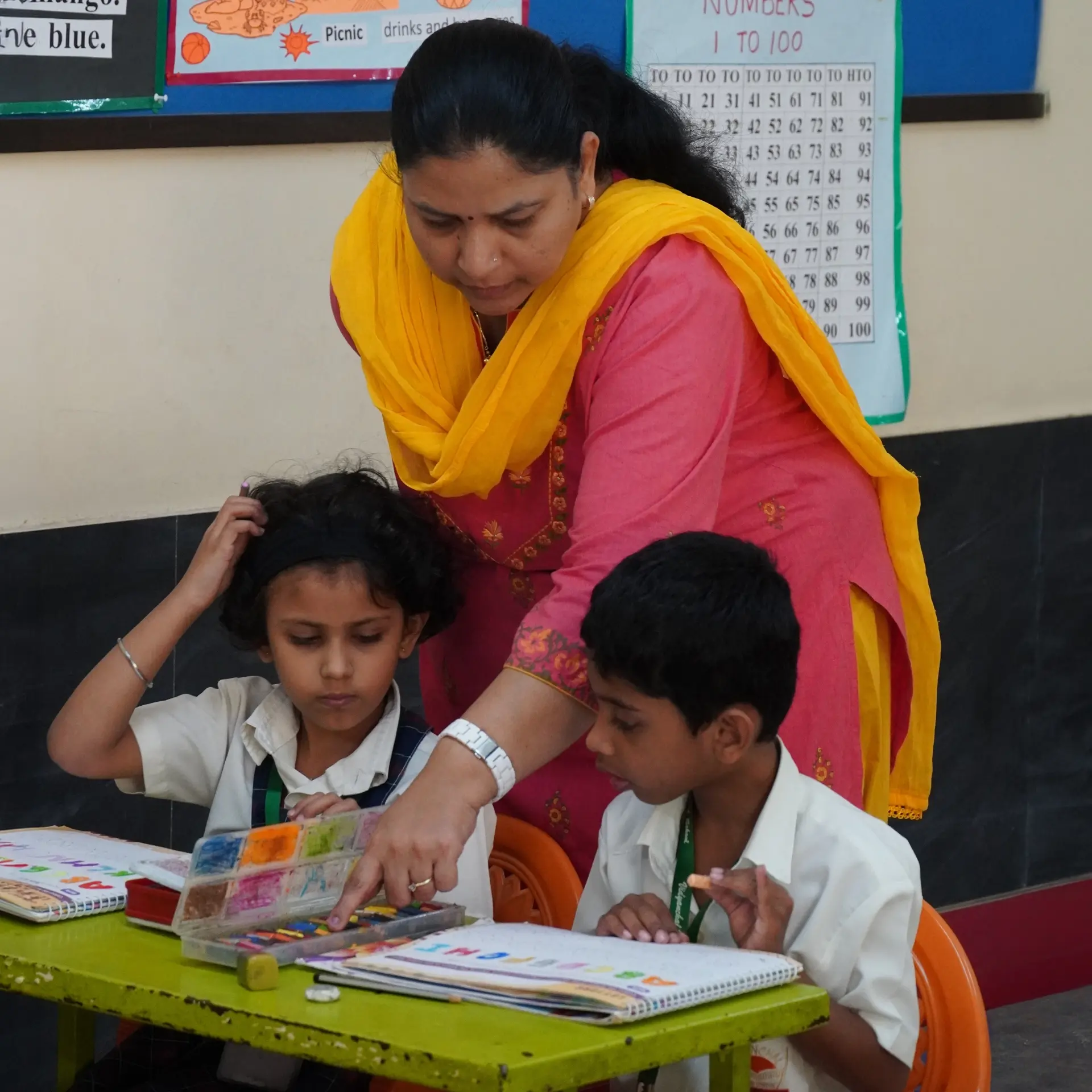
Does your child need a tutor? This is a question many parents begin asking when they notice their child struggling with homework, losing confidence in certain subjects, or feeling overwhelmed during exam periods. While occasional difficulty is a normal part of learning, persistent academic challenges can signal that a child may benefit from additional support.
Understanding when a child needs extra help is important because early intervention can prevent frustration from turning into long-term academic stress. With the right guidance, encouragement, and structured support, students can regain confidence and strengthen their understanding of difficult subjects.
At Vidyanchal High School, educators recognise that every student learns differently. The focus is on identifying learning gaps early and providing the right academic support so students remain confident and engaged in their educational journey.
Understanding Academic Struggles: When Is It Normal?
Every child experiences moments of difficulty while learning new concepts. A challenging chapter in mathematics or a complex reading assignment does not automatically mean a child needs tutoring. However, when struggles continue over time, they may indicate deeper learning gaps.
Educational studies suggest that students who receive timely academic support often recover confidence and improve their performance within a few months. Early recognition is therefore key. When parents pay attention to patterns rather than isolated incidents, they can make better decisions about whether extra help is needed.
Schools that encourage open communication between teachers and parents are often able to address academic concerns before they become overwhelming for students.
Discover the learning environment at Vidyanchal High School.
Sign 1: Consistent Difficulty With Homework
One of the first signs that a child may need additional support is repeated difficulty completing homework independently.
This may look like:
- Taking significantly longer than expected to complete assignments
- Frequently asking for help with basic concepts
- Avoiding homework altogether
- Becoming frustrated or emotional during study time
Homework is meant to reinforce classroom learning. If a child struggles every day with assignments, it may indicate that the core concepts were not fully understood during lessons.
In such situations, a tutor or additional guidance can help clarify concepts and rebuild understanding.
Sign 2: Falling Grades or Sudden Academic Changes
Another clear indicator is a noticeable change in academic performance.
Parents may observe:
- Declining test scores
- Incomplete assignments
- Reduced participation in class
- Difficulty keeping up with new topics
Sometimes grades drop because a child has missed foundational concepts earlier. Subjects like mathematics and science often build progressively, meaning gaps in understanding can affect future learning.
Addressing these gaps early can prevent students from feeling overwhelmed later in the academic year.
Sign 3: Loss of Confidence in Learning
Confidence plays a major role in academic success. When children repeatedly struggle with a subject, they may begin to believe they are “not good” at it.
Common signs include:
- Saying “I’m bad at this subject”
- Avoiding studying for certain topics
- Becoming anxious before tests
- Losing motivation to participate in class
Research in child psychology shows that students who receive supportive academic guidance often regain confidence quickly. When concepts become clearer, students begin to approach learning with curiosity rather than fear.
At Vidyanchal High School (VHS), teachers work closely with students to ensure that challenges become opportunities for growth rather than barriers to confidence.
Sign 4: Difficulty With Time Management
Sometimes the issue is not understanding but organisation. Students who struggle to manage their study time may fall behind even if they understand the material.
Indicators include:
- Procrastination or unfinished assignments
- Difficulty planning for tests or projects
- Disorganised notebooks or study materials
A tutor can sometimes help students develop better study strategies and time management habits. Learning how to organise tasks and break them into manageable steps is an important academic skill.
These skills become even more important as students progress into higher grades where academic expectations increase.
Sign 5: Struggling With Specific Subjects
Some students perform well overall but face difficulty with one particular subject. This is very common, especially with subjects that require strong foundational skills.
For example:
- Mathematics often requires step-by-step conceptual clarity
- Language subjects require reading comprehension and vocabulary development
- Science requires both conceptual understanding and application
Targeted tutoring or guided academic support can help students strengthen these areas without affecting their confidence in other subjects.
See how Vidyanchal High School nurtures young learners in Pre-Primary.
Sign 6: Increased Stress Around Schoolwork
Children sometimes express academic stress indirectly. Instead of saying they don’t understand a subject, they may show signs of frustration or avoidance.
Parents might notice:
- Frequent complaints about homework
- Avoiding study time
- Becoming unusually anxious before exams
- Losing interest in school activities
When academic stress continues over time, it can affect a child’s motivation and emotional well-being. Providing the right academic support can help reduce this pressure and restore a positive relationship with learning.
The Role of Schools in Supporting Students
Before considering external tutoring, it is important to explore the academic support already available within a school environment.
Effective schools provide:
- Regular teacher guidance
- Structured revision sessions
- Opportunities for students to ask questions
- Individual attention when needed
At Vidyanchal High School, educators emphasise clarity of concepts and encourage students to voice doubts openly. By identifying learning gaps early, teachers help students stay confident and engaged.
This proactive approach ensures that students receive the right support before challenges become overwhelming.
The secondary years prepare students for important academic milestones.
When Tutoring Can Be Helpful
Tutoring can be particularly useful when:
- A child needs reinforcement of key concepts
- Additional practice is required for certain subjects
- Students are preparing for important exams
- Confidence needs rebuilding
However, tutoring works best when it complements classroom learning rather than replacing it. Communication between parents, teachers, and tutors ensures that support remains consistent and aligned with the student’s academic goals.
Learning Beyond the Classroom
Academic growth is only one part of a child’s development. Schools that balance academics with activities, discussions, and events often create more confident and well-rounded learners.
When students participate in school events and activities, they develop skills such as teamwork, communication, and leadership. These experiences also strengthen their sense of belonging in the school community.
Explore the vibrant student life and activities that shape the school community.
Final Thoughts
Does your child need a tutor? The answer depends on recognising the right signs and responding early. Persistent difficulty with homework, declining grades, reduced confidence, and academic stress are all indicators that additional support may be helpful.
With the right guidance, encouragement, and structured learning environment, students can overcome challenges and rediscover their confidence in learning.
At Vidyanchal High School, the goal is always to support every student’s growth—academically, emotionally, and personally. By identifying learning needs early and providing thoughtful support, the school helps students stay curious, confident, and prepared for future success.