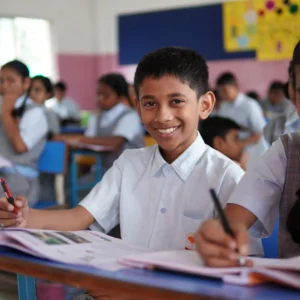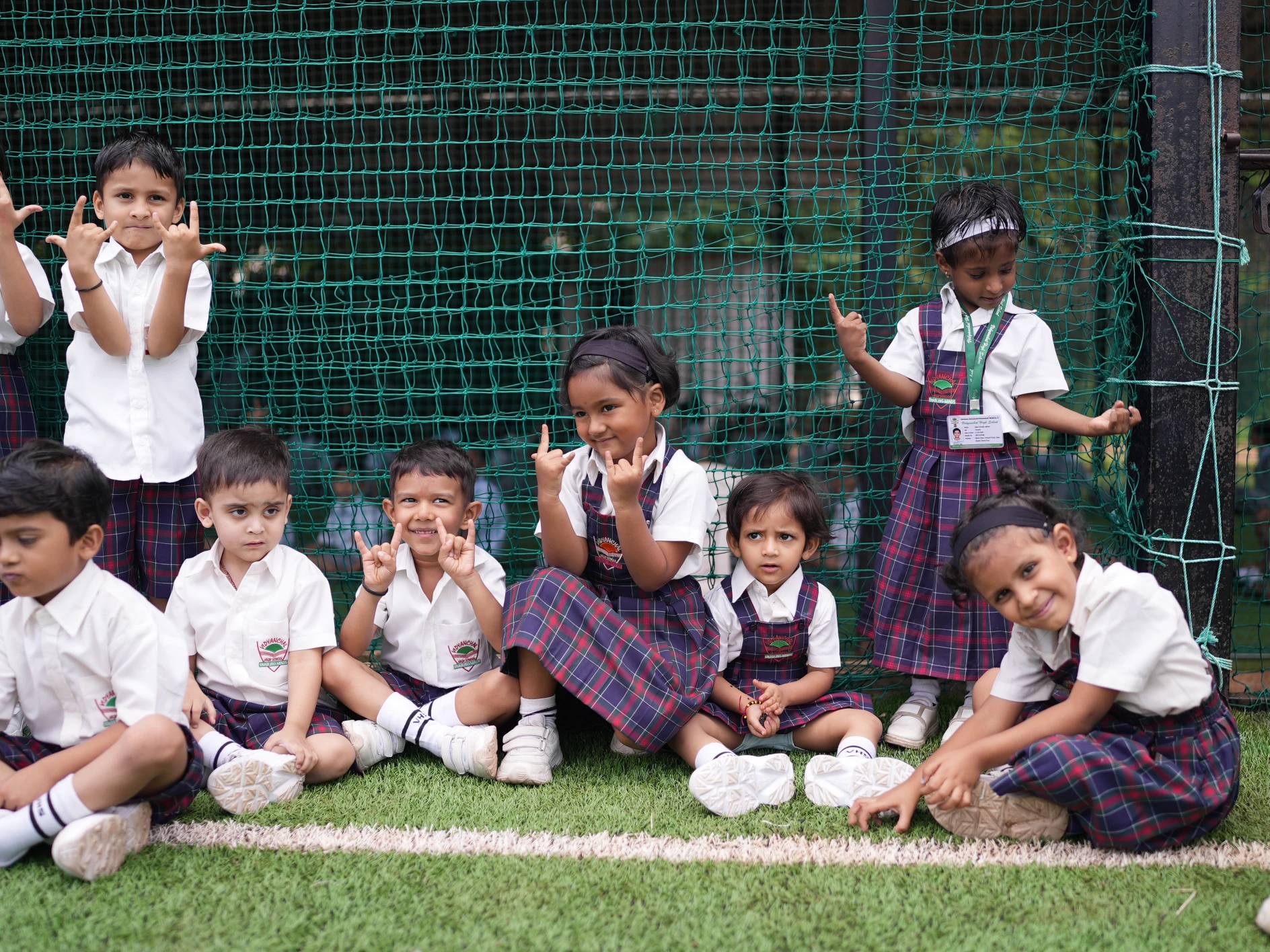

From “I can’t” to “I will” — this shift in language may seem small, but it reflects one of the most powerful psychological changes a child can experience. A growth mindset, the belief that abilities can be developed through effort, strategies, and support, has been widely studied in child psychology and education research. Children who develop this mindset show stronger resilience, greater motivation, and improved academic outcomes compared to those who believe intelligence is fixed.
For parents, encouraging a growth mindset at home can transform how children approach challenges, homework, friendships, and even failure. When children move from “I can’t do this” to “I will figure this out,” they begin to see learning as a journey rather than a test of their worth.
What Is a Growth Mindset?
Psychologist Carol Dweck’s research on mindset found that children generally fall into two broad belief patterns:
- Fixed mindset: Belief that intelligence and ability are static
- Growth mindset: Belief that intelligence and ability can improve with effort
Studies involving thousands of students across different age groups show that children who adopt a growth mindset are more likely to:
- Persist through difficult tasks
- Try new strategies when they struggle
- Recover more quickly from setbacks
- Achieve higher academic performance over time
In one large-scale educational study, students taught growth mindset principles showed measurable improvements in grades and motivation, particularly those who previously struggled academically.
Why Language Matters: The Power of “Yet”
The words children use to describe themselves often mirror what they hear from adults. When a child says, “I’m bad at maths,” they are not simply describing performance — they are forming an identity.
Psychological studies show that introducing the word “yet” can significantly shift a child’s mindset. For example:
- “I can’t do this” becomes “I can’t do this yet.”
- “I’m not good at reading” becomes “I’m still learning to get better at reading.”
This subtle shift helps children see ability as something that develops over time. Brain imaging research has also shown that when children believe their brains can grow through effort, they are more likely to stay engaged and try again after making mistakes.
How a Growth Mindset Shapes Academic Success
Children with a growth mindset approach learning differently. Instead of avoiding challenges, they lean into them. Instead of fearing mistakes, they see them as information.
Research across elementary and secondary students indicates that growth mindset interventions can lead to:
- Increased persistence in difficult subjects
- Higher test scores over time
- Improved classroom participation
- Greater willingness to ask questions
One educational study involving middle school students found that those taught about brain plasticity — the idea that the brain strengthens with practice — improved their maths grades more than students who did not receive that instruction.
This shows that mindset isn’t just emotional; it directly affects academic outcomes.
The Role of Parents in Building a Growth Mindset
While schools play an important role, parents have the greatest day-to-day influence on how children interpret success and failure.
Children begin forming beliefs about ability as early as preschool. By age 7 or 8, many already have fixed ideas about what they are “good” or “bad” at. Parental responses during these early years shape how children handle difficulty later.
Here are key ways parents can encourage a growth mindset at home.
1. Praise Effort, Not Just Results
Research consistently shows that praising effort rather than intelligence leads to stronger resilience.
For example:
- Instead of: “You’re so smart.”
- Try: “You worked really hard on that.”
When children are praised only for being smart, they may avoid challenges that could threaten that label. But when effort is recognised, they learn that improvement comes through practice.
In one well-known psychological study, children praised for effort chose harder tasks later and performed better than those praised for intelligence.
2. Normalize Mistakes as Part of Learning
Children often interpret mistakes as proof that they aren’t capable. Parents can reframe mistakes as learning tools.
You can say:
- “Mistakes help us understand what to try next.”
- “This is how your brain grows.”
Neuroscience research shows that when children review and learn from mistakes, their brains form stronger neural connections than when they get answers right immediately. Struggle, when supported, actually strengthens learning.
3. Encourage Problem-Solving Instead of Immediate Help
When children face difficulty, the instinct is often to step in quickly. However, giving them time to attempt solutions builds independence.
Try asking:
- “What do you think you could try next?”
- “Can we break this into smaller steps?”
Studies show that children who are guided to problem-solve rather than given answers develop stronger executive function skills, including planning, focus, and adaptability.
4. Model a Growth Mindset Yourself
Children observe how adults respond to challenges. When parents express frustration with statements like “I’m terrible at this,” children internalize similar beliefs.
Instead, model growth-oriented language:
- “This is challenging, but I’ll keep trying.”
- “I made a mistake — now I know what to do differently.”
Research in family psychology suggests that children mirror the attitudes they see at home. Parents who model persistence raise children who are more likely to persevere.
5. Set Realistic but Challenging Goals
Children grow when tasks are slightly beyond their comfort zone. Goals should be achievable but require effort.
Examples include:
- Improving reading fluency by a few minutes daily
- Practicing maths problems consistently
- Learning a new skill step by step
Educational research shows that incremental goal-setting increases motivation and helps children experience progress, reinforcing a growth mindset.
Growth Mindset and Emotional Resilience
Beyond academics, growth mindset influences emotional well-being. Children who believe they can improve are less likely to feel defeated by setbacks.
Psychological studies indicate that growth mindset interventions can reduce:
- Academic anxiety
- Fear of failure
- Avoidance behaviours
Children with growth mindsets are also more likely to seek help when needed, rather than hiding difficulties.
Encouraging Growth Mindset in School Years
As children move into middle and secondary school, academic pressure increases. This is often when fixed mindset beliefs resurface.
Parents can support growth mindset by:
- Focusing on progress rather than comparison
- Celebrating persistence
- Discussing challenges openly
- Encouraging reflection after tests and assignments
At schools that emphasise holistic development, such as Vidyanchal School, students are encouraged to approach learning with curiosity and resilience. Teachers reinforce the idea that improvement comes through consistent effort and thoughtful practice.
Visit our homepage to learn more.
Practical Phrases Parents Can Use
Here are growth-oriented phrases parents can integrate into daily conversations:
- “What did you learn from this?”
- “What strategy could you try next?”
- “You haven’t mastered this yet.”
- “I’m proud of how you kept trying.”
- “Let’s figure this out together.”
Consistent language shapes consistent thinking.
Long-Term Benefits of a Growth Mindset
Children raised with growth mindset beliefs are more likely to:
- Embrace challenges
- Stay motivated in difficult subjects
- Develop strong problem-solving skills
- Show resilience in academics and life
Longitudinal research suggests that students who develop growth mindset habits early demonstrate greater persistence in higher education and career settings.
Final Thoughts
From “I can’t” to “I will” is more than a motivational phrase — it is a shift in how children see themselves and their potential. When parents consistently encourage effort, normalize mistakes, and model resilience, children learn that ability is not fixed. It grows with time, practice, and belief.
By nurturing a growth mindset at home and supporting environments that reinforce it in school, parents help children build confidence, independence, and lifelong learning habits.