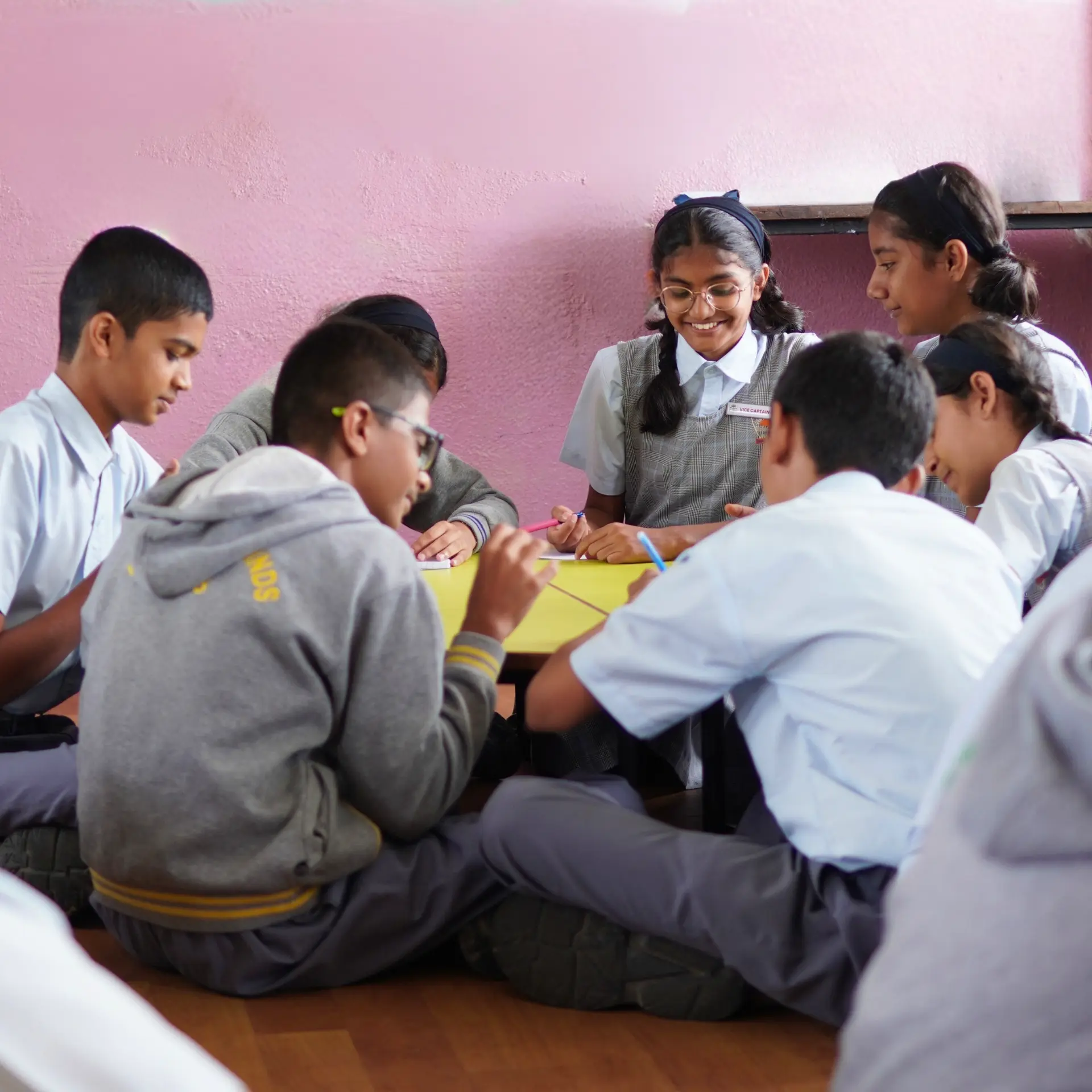
The rise of peer learning is changing how classrooms function across the world. Parents and educators are beginning to ask an important question: Can students teach each other—apart from teachers? The answer, increasingly, is yes. When structured thoughtfully, peer learning becomes a powerful tool that strengthens understanding, confidence, and collaboration among students.
At Vidyanchal School, peer learning is seen not as a replacement for teachers, but as a meaningful extension of classroom learning—one that supports holistic education and prepares students for real-world collaboration.
What Is Peer Learning?
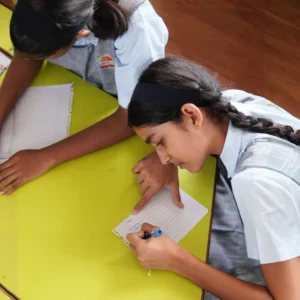
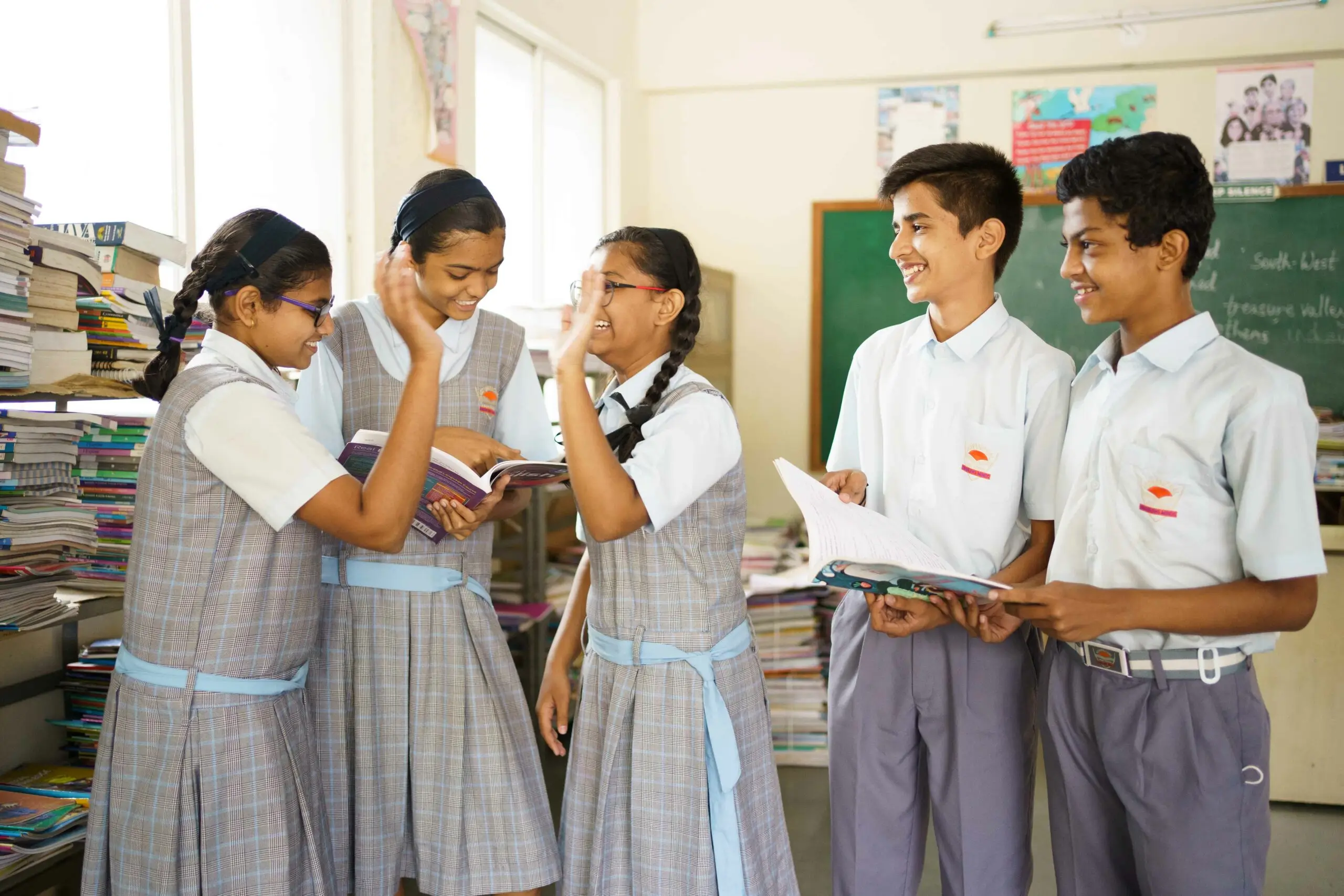
Peer learning is an educational approach where students learn with and from each other. This may involve:
- Group discussions
- Collaborative problem-solving
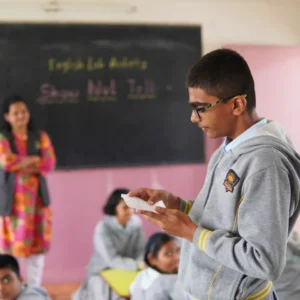
- Student-led explanations
- Peer feedback and mentoring
Instead of passively receiving information, students actively engage with concepts, explain ideas in their own words, and learn to listen and respond thoughtfully.
This method aligns closely with how children naturally learn—through interaction, conversation, and shared experiences.
Why Peer Learning Is Gaining Importance in Today’s Classrooms
Traditional education has long focused on teacher-led instruction. While teachers remain central to learning, modern classrooms recognise that students learn deeply when they participate actively.
Peer learning is rising because it:
- Encourages active participation
- Builds communication and social skills
- Helps students learn at their own pace
- Creates a supportive learning environment
In cities like Pune, where parents value both academic rigour and overall development, peer learning fits naturally into a holistic education model.
Can Students Really Teach Each Other?
Students may not replace teachers—but they can absolutely support and enhance learning.
When students explain concepts to peers:
- They reinforce their own understanding
- They use simpler, relatable language
- They identify gaps in their own knowledge
- They build confidence and leadership skills
A child explaining a maths concept to a classmate often understands it better afterward. Teaching, even informally, becomes a powerful learning tool.
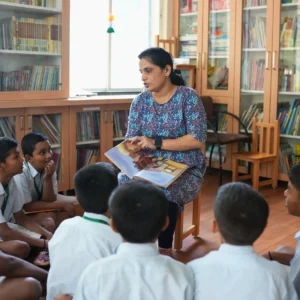
At Vidyanchal School, peer learning is encouraged in age-appropriate ways, allowing students to collaborate while still being guided by experienced educators.
The Role of Teachers in Peer Learning
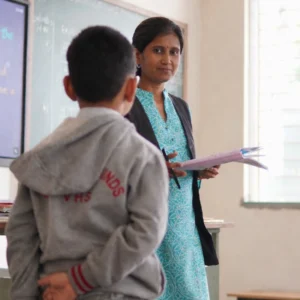
Peer learning does not mean teachers step aside. In fact, teachers play a critical role in making peer learning effective.
Teachers:
- Design structured group activities
- Guide discussions and correct misconceptions
- Ensure inclusive participation
- Balance collaboration with curriculum goals
At Vidyanchal School, teachers act as facilitators of learning, ensuring peer interactions remain purposeful, respectful, and aligned with academic objectives.
Benefits of Peer Learning for Students
1. Deeper Understanding of Concepts
When students discuss ideas with peers, they process information more actively. This leads to better conceptual clarity rather than surface-level memorisation.
2. Improved Communication Skills
Peer learning encourages students to articulate thoughts clearly, listen actively, and respond respectfully—skills that are essential both academically and socially.
3. Increased Confidence
Explaining ideas to classmates builds self-belief. Even quieter students often feel more comfortable speaking in small peer groups than in front of the entire class.
4. Stronger Emotional and Social Development
Working with peers teaches cooperation, empathy, patience, and teamwork—key elements of holistic education.
Peer Learning and Academic Performance
One common concern parents have is whether peer learning affects academic discipline or exam readiness. When structured well, it does the opposite.
Peer learning helps students:
- Retain information longer
- Identify doubts early
- Approach problem-solving collaboratively
- Prepare confidently for assessments
In board-oriented systems like SSC, this clarity and reinforcement play a crucial role in long-term academic success.
How Vidyanchal School Integrates Peer Learning
Peer learning at Vidyanchal School is thoughtfully integrated into everyday classroom practices.
Students engage in:
- Group discussions and projects
- Collaborative problem-solving exercises
- Peer explanations during revision sessions
- Classroom activities that encourage teamwork
These interactions are guided, not random. Teachers ensure learning remains focused while allowing students the freedom to explore ideas together.
This balance helps students grow academically while developing life skills.
Peer Learning Across Age Groups
Peer learning looks different at different stages—and Vidyanchal School adapts it accordingly.
- Primary students learn through guided group activities and shared exploration
- Middle school students engage in discussions and collaborative tasks
- Secondary students participate in structured peer revision and concept reinforcement
This gradual progression ensures students develop collaboration skills alongside academic maturity.
The Role of Parents in Supporting Peer Learning
Parents can reinforce peer learning by:
- Encouraging group study sessions
- Promoting healthy academic discussions at home
- Helping children reflect on what they learned from peers
When parents understand that learning doesn’t only come from teachers, they become partners in holistic education.
Does Peer Learning Replace Teachers?
This is a crucial question—and the answer is no.
Teachers remain essential for:
- Concept introduction
- Academic guidance
- Curriculum alignment
- Emotional and behavioural support
Peer learning works best alongside teacher guidance, not instead of it. At Vidyanchal School, this balance ensures students receive expert instruction while benefiting from collaborative learning.
Preparing Students for the Real World
Beyond academics, peer learning prepares students for life.
In higher education and careers, success depends on:
- Teamwork
- Communication
- Problem-solving with others
- Respecting diverse perspectives
By encouraging peer learning early, Vidyanchal School helps students build these real-world skills naturally.
Admissions and Holistic Learning at Vidyanchal School
Parents exploring schools that value collaboration, confidence, and holistic development often look closely at teaching philosophy.
Vidyanchal School’s approach to peer learning reflects its broader commitment to nurturing independent, capable learners in a supportive environment.
Final Thoughts
The rise of peer learning reflects a deeper understanding of how children learn best—through interaction, collaboration, and shared exploration. When students are encouraged to learn from each other, classrooms become more dynamic, inclusive, and engaging.
At Vidyanchal School, peer learning is an integral part of holistic education—supporting academic clarity, confidence, and character development. Guided by experienced teachers and enriched by student collaboration, learning becomes a shared journey rather than a one-way process.
For parents seeking an education that prepares children not just for exams, but for life, peer learning makes all the difference.
Frequently Asked Questions
Is peer learning suitable for all students?
Yes, when guided properly, it benefits students of all learning styles.
Does peer learning reduce discipline in class?
No. Structured peer learning increases engagement and focus.
Can peer learning help weaker students?
Yes. Learning from peers often feels less intimidating and more relatable.
Is peer learning effective for exam-oriented systems?
Absolutely. It strengthens understanding and reinforces concepts.