Schools in Baner are an important consideration for families looking for a balanced and accessible education in Pune. With Baner developing into a major residential and commercial hub, parents today have several factors to consider when choosing a school—not just academic results.
The right learning environment should help a child feel comfortable, curious, supported, and confident. Curriculum, teaching methods, infrastructure, sports, arts, communication, safety, and the daily commute all contribute to the school experience.
For families in Baner and surrounding areas, Vidyanchal High School offers an educational environment focused on academic foundations alongside holistic development, helping children grow into confident and independent learners.
What Makes a Good Learning Environment?
A learning environment is much more than a classroom.
It includes:
- How teachers interact with students
- How children participate in lessons
- Whether questions are encouraged
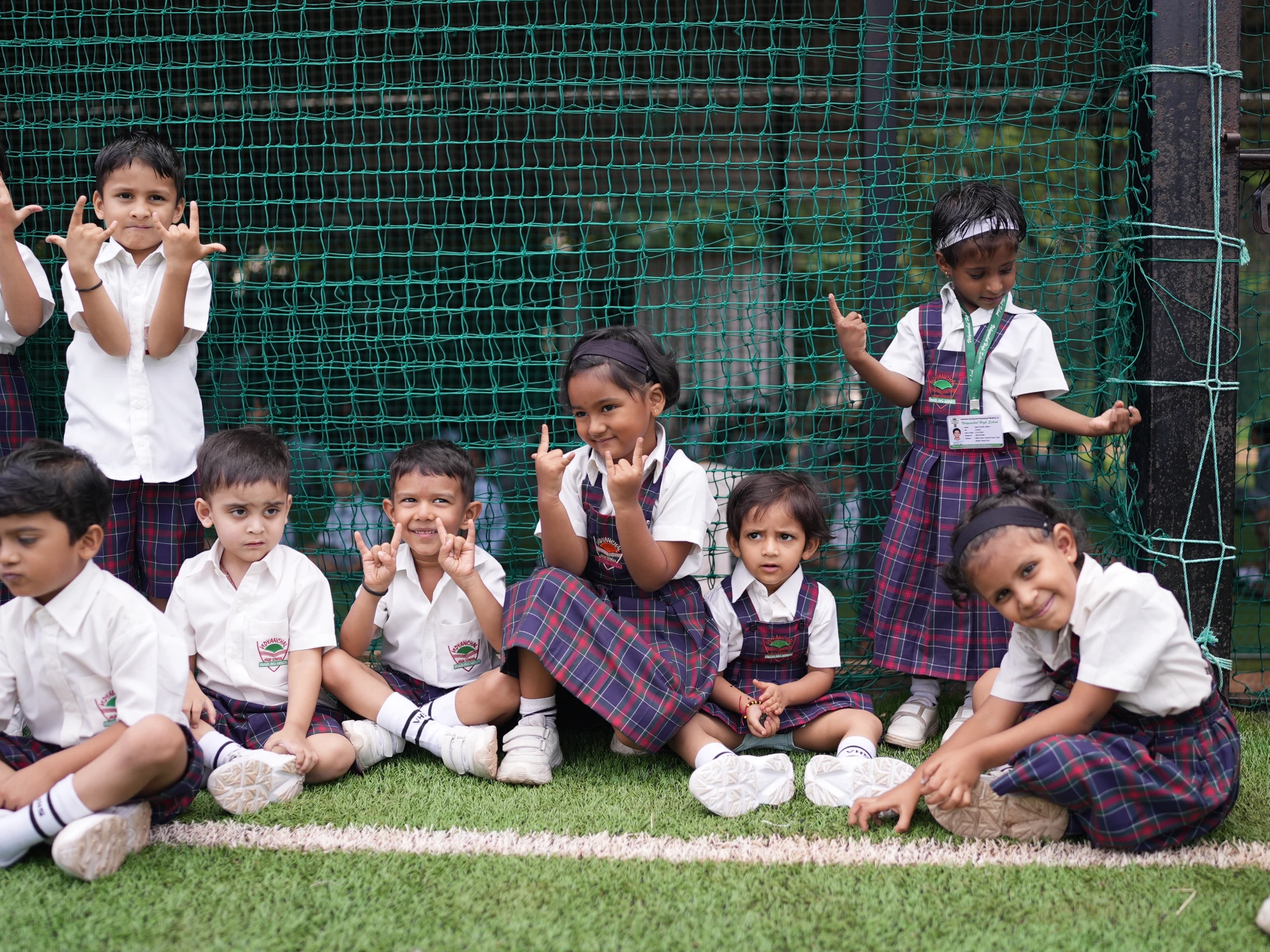
- Opportunities for sports and creativity
- The school’s approach to discipline
- Communication between parents and teachers
- The physical and emotional environment
Research in educational psychology consistently indicates that students learn more effectively when they feel safe, supported, and connected to their school community.
When shortlisting schools in Baner, parents should therefore look beyond photographs and facilities and consider what everyday student life actually feels like.
Looking for a learning environment where academics, confidence and holistic development come together?
Discover Vidyanchal High School and its approach to education.
1. Understand the Teaching Approach
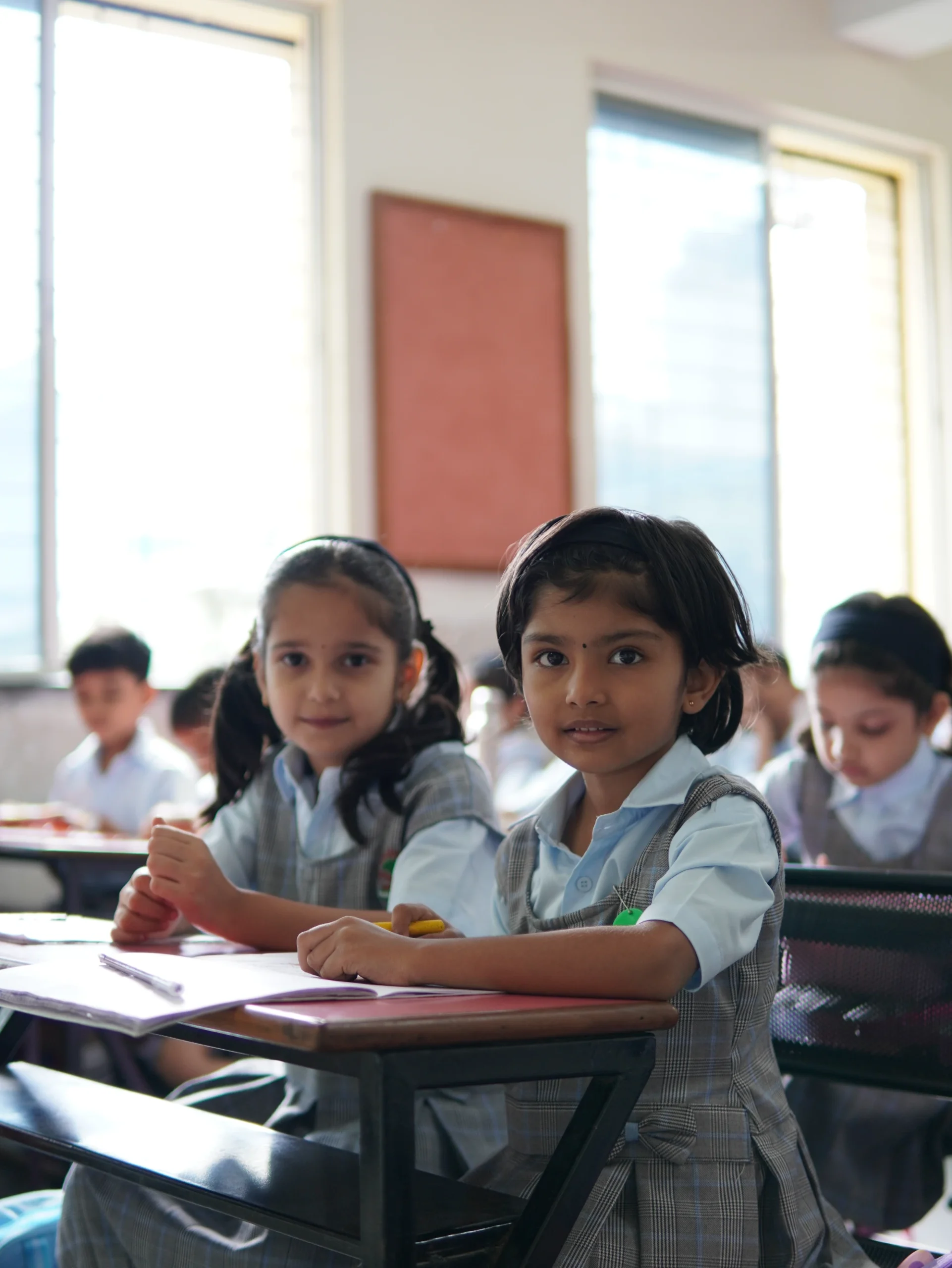
The curriculum matters, but how it is taught matters just as much.
Parents can ask:
- Are students encouraged to ask questions?
- Are concepts explained through practical examples?
- Is classroom participation encouraged?
- How are different learning needs supported?
A child should not simply memorise information for examinations. They should gradually learn how to understand, question, apply, and explain what they have learned.
At Vidyanchal High School (VHS), conceptual understanding and active participation form an important part of the learning experience.
2. Look at Teacher-Student Relationships
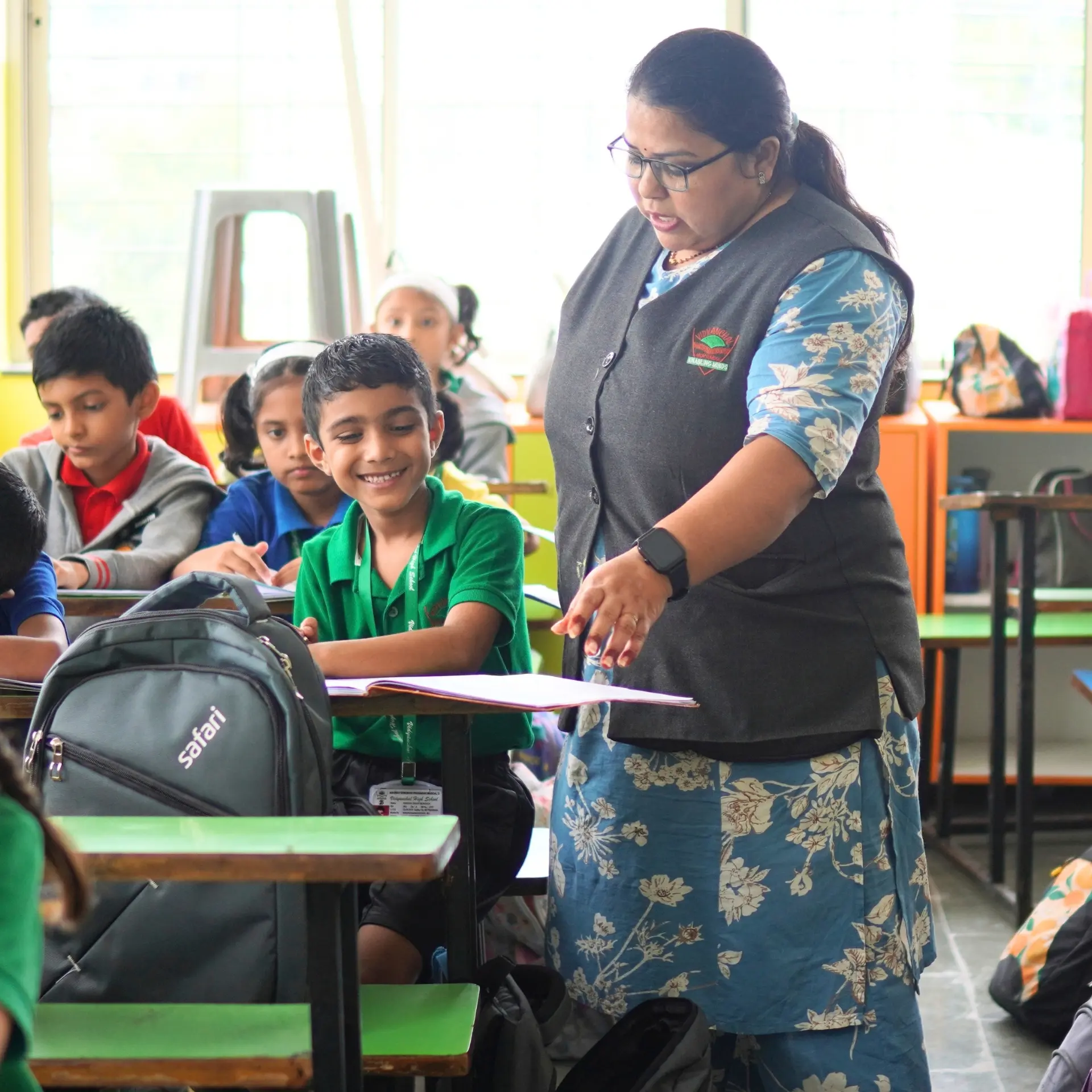
Teachers can have a significant influence on a child’s confidence.
During a school visit, notice whether teachers:
- Listen to students
- Encourage questions
- Give constructive feedback
- Recognise individual strengths
- Create an approachable classroom environment
Children are more likely to participate when they feel comfortable making mistakes and asking for help.
A positive teacher-student relationship can therefore become an important foundation for learning.
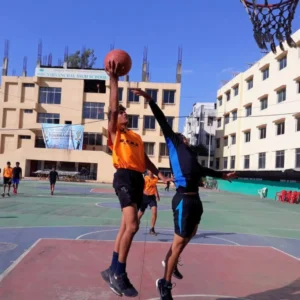
3. Don’t Ignore Physical Activity
A strong learning environment should make room for movement.
The World Health Organization recommends that children and adolescents aged 5–17 average at least 60 minutes of moderate-to-vigorous physical activity every day.
Parents should therefore look at:
- Sports facilities
- Physical education
- Outdoor play
- Sports competitions
- Opportunities for different age groups
Physical activity supports healthy development and can also contribute to cognitive and emotional well-being.
At Vidyanchal High School, sports and physical activity complement classroom learning as part of a broader holistic approach.
4. Look Beyond Academics
Children need opportunities to discover abilities that may not appear in examination results.
Look for exposure to:
- Art
- Music
- Cultural activities
- Public speaking
- Competitions
- Leadership
- Sports
These experiences can develop creativity, communication, teamwork, and confidence.
A balanced school environment gives children multiple ways to participate and succeed.
5. Consider Infrastructure as a Learning Tool
Infrastructure should support learning rather than simply look impressive.
Parents can evaluate:
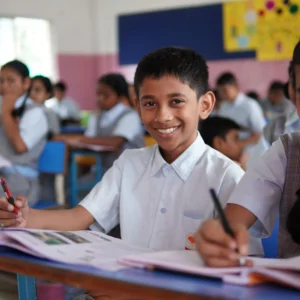
- Classrooms
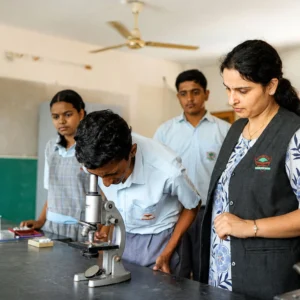
- Science laboratories
- Computer facilities
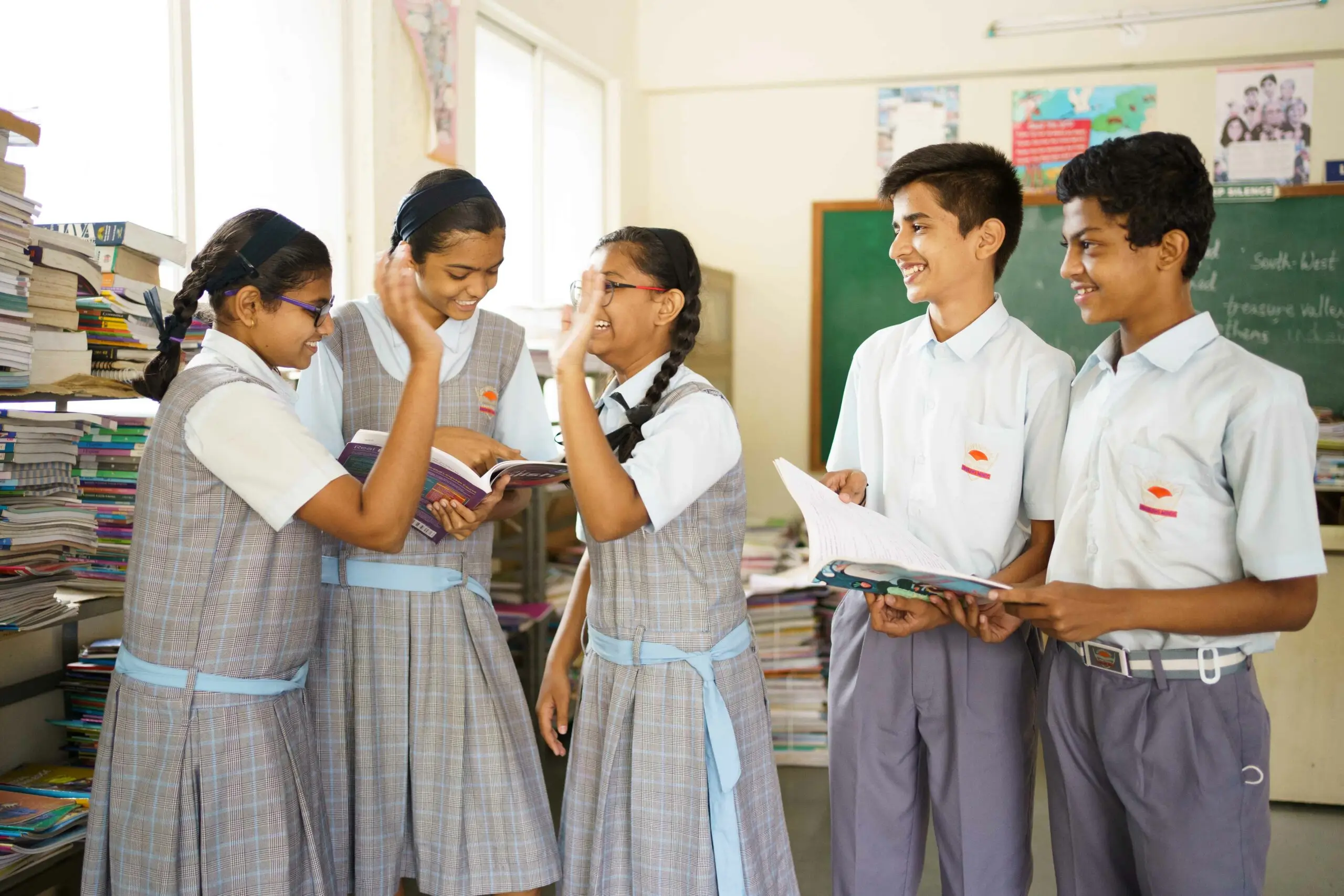
- Library
- Sports areas
- Activity spaces
- Safety and hygiene
For example, a science laboratory can allow students to test concepts practically, while a computer lab can help develop digital literacy and problem-solving skills.
The important question is not simply “Does the school have this facility?”
Ask:
“How do students actually use it?”
6. Evaluate the School’s Communication With Parents
A child’s education works best when parents and teachers understand what is happening on both sides.
Ask how the school communicates:
- Academic progress
- Behavioural concerns
- Student achievements
- Events and activities
- Areas where additional support may be needed
Regular, constructive communication allows parents to support learning at home without duplicating or contradicting the school’s approach.
At Vidyanchal High School, parent-school communication forms an important part of creating a supportive educational journey.
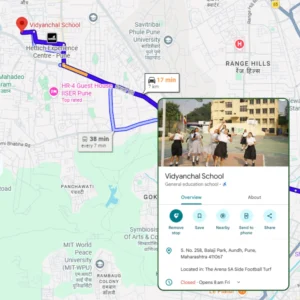
7. Think About the Daily Commute
For families living in Baner, the school commute deserves serious consideration.
Parents should assess:
- Actual peak-hour travel time
- School transport
- Pick-up and drop-off arrangements
- Traffic conditions
- Monsoon travel
- Time available for homework, play and sleep
A school may be excellent academically, but the daily routine should also remain practical for the child.
A manageable commute can leave more time for rest, family, reading, sports, and hobbies.
8. Observe Student Behaviour
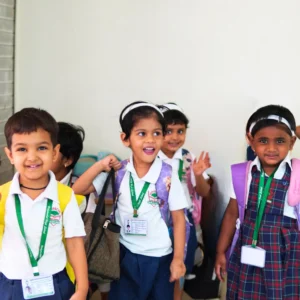
One of the most useful things parents can do during a campus visit is simply observe the students.
Do they appear:
- Comfortable?
- Engaged?
- Confident?
- Respectful toward teachers and peers?
- Interested in what they are doing?
Student behaviour can provide valuable clues about the school’s culture.
A positive learning environment should encourage discipline without making children afraid to participate.
9. Look for Opportunities to Belong
Children spend a substantial part of their lives at school. Feeling that they belong therefore matters.
School events, sports teams, cultural activities, clubs, exhibitions, and competitions give students opportunities to contribute to the wider school community.
Research on school belonging has associated a stronger sense of connection with greater student engagement and well-being.
At Vidyanchal High School, participation beyond academics helps students develop relationships, confidence, and a sense of belonging.
A Parent’s Shortlisting Checklist
Before finalising a school, ask:
Academics
- Is the teaching approach suitable for my child?
- Are concepts prioritised over rote learning?
Environment
- Does my child seem comfortable here?
- Are teachers approachable?
Development
- Are sports and arts encouraged?
- Are there leadership opportunities?
Infrastructure
- Are facilities safe, relevant, and actively used?
Practicality
- Is the commute manageable?
- Does the schedule leave enough time for sleep and family life?
Partnership
- How does the school communicate with parents?
These questions can help parents make a decision based on the child’s complete experience rather than one or two headline factors.
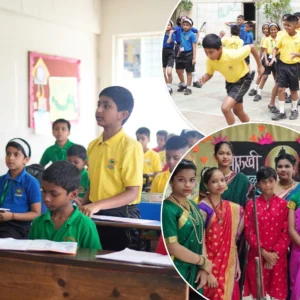
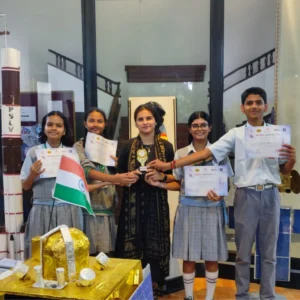
Learning is also shaped by celebrations, competitions, performances and shared experiences.
Explore the events and activities at Vidyanchal High School.
The Vidyanchal Approach to Learning
At Vidyanchal High School, the learning environment is designed around the idea that children need more than academic instruction to develop fully.
Strong academic foundations are combined with opportunities for:
- Physical development
- Creativity
- Participation
- Communication
- Responsibility
- Confidence
This approach allows children to discover their strengths while developing the habits and skills they will need as they progress through school.
Final Thoughts
Choosing between schools in Baner is ultimately about finding the right environment for your child—not simply the school with the longest list of facilities or the most impressive results.
Look at teaching quality, teacher-student relationships, curriculum, infrastructure, sports, arts, communication, safety, school culture, and the daily commute. Most importantly, consider whether the environment encourages your child to become curious, confident, independent, and comfortable asking questions.
Vidyanchal High School aims to bring these elements together through a holistic educational experience that supports children academically, physically, creatively, and emotionally.
The right school should not simply prepare a child for the next examination. It should prepare them for the next stage of life.
FAQs
1. What should parents consider when choosing among schools in Baner?
Consider teaching quality, curriculum, school culture, infrastructure, sports, arts, safety, communication, and commute.
2. Why is the learning environment important?
A supportive environment can help children feel confident, engaged, and comfortable participating in learning.
3. Should parents consider sports when choosing a school?
Yes. Regular physical activity supports children’s physical development and contributes to overall well-being.
4. How important is the school commute?
Very important. A manageable commute leaves children with more time for sleep, homework, play, hobbies, and family.
5. What makes Vidyanchal High School’s approach holistic?
Vidyanchal High School combines academics with sports, creative activities, student participation, values, and opportunities for personal development.