When parents choose a school, safety is often one of the first things they consider. But a school should feel safe in more ways than simply having secure premises. Children need an environment where they feel physically protected, emotionally supported and confident about what is expected of them.
A safe, supportive and structured school environment gives children the stability they need to participate, make mistakes, ask questions and develop independence. It combines clear routines with caring relationships and appropriate boundaries.
For parents exploring schools in Pune, understanding these elements can help them look beyond infrastructure and assess what everyday school life may actually feel like for their child.
Safety Begins With a Predictable Environment
Children generally respond well when they know what to expect.
Clear school routines can make the day easier to navigate. Consistent arrival procedures, classroom expectations, transitions between activities and rules for behaviour provide children with a sense of predictability.
Structure does not mean making every moment rigid. It means creating enough consistency for students to understand:
- What is expected of them
- How they should behave
- Where they can seek help
- What happens when something goes wrong
- How they can participate safely
When expectations are communicated clearly and applied consistently, children can spend less energy worrying about uncertainty and more energy engaging with learning.
A School’s Philosophy Shapes Everyday Experience
A supportive school environment begins with the values that guide how students are taught and cared for. Learn more about the vision and values behind Vidyanchal High School.
Teachers Make Safety Feel Personal
A school can have excellent infrastructure, but children experience school primarily through people.
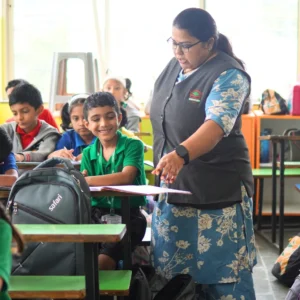
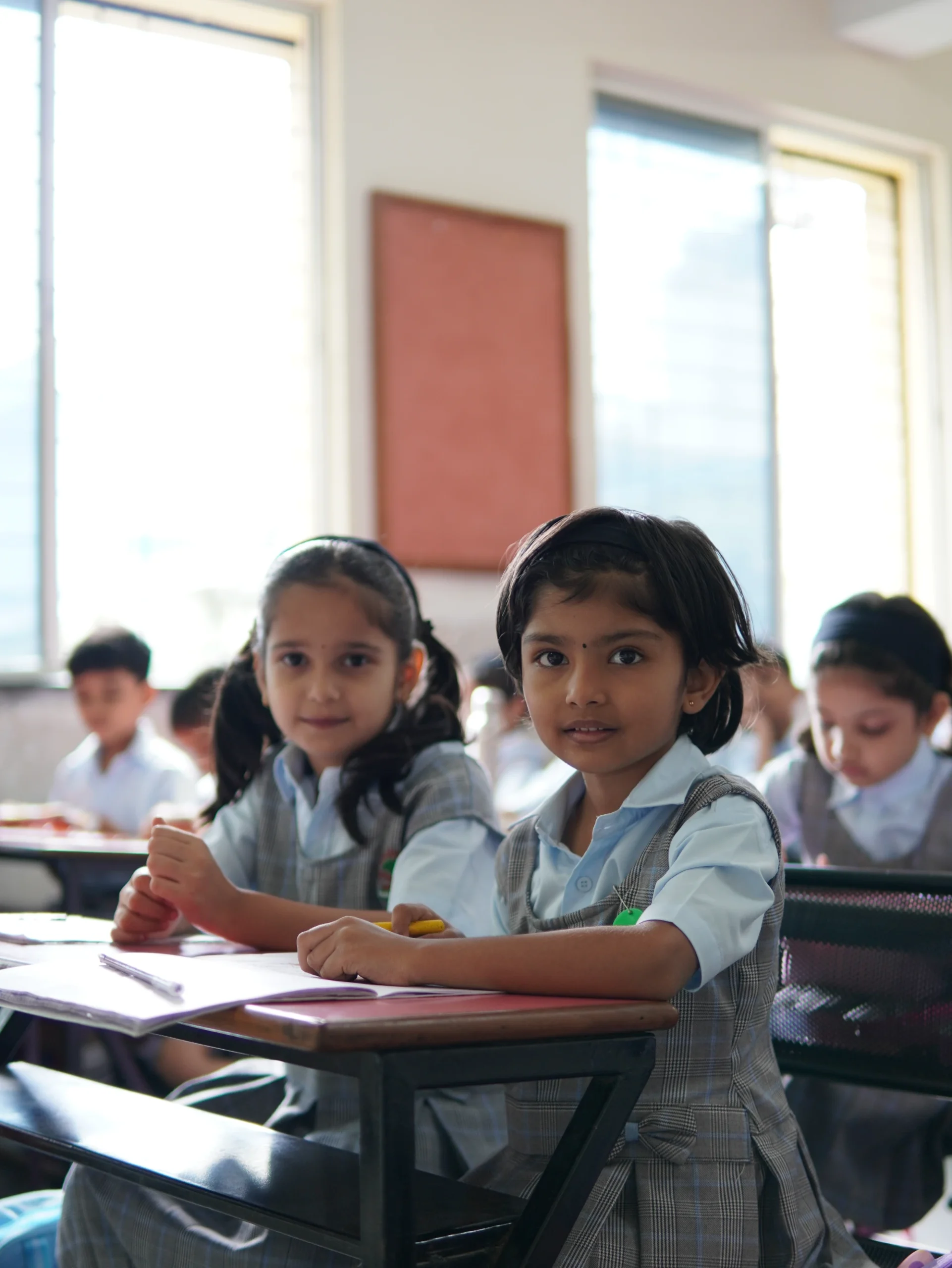
Teachers play an important role in creating a classroom where students feel comfortable asking questions, expressing uncertainty and seeking help. A supportive teacher does not simply deliver lessons. They observe students, understand different learning needs and encourage participation.
The quality of teacher-student relationships can therefore influence how comfortable children feel at school.
For a child who is struggling academically, socially or emotionally, knowing which adult to approach can make a significant difference.
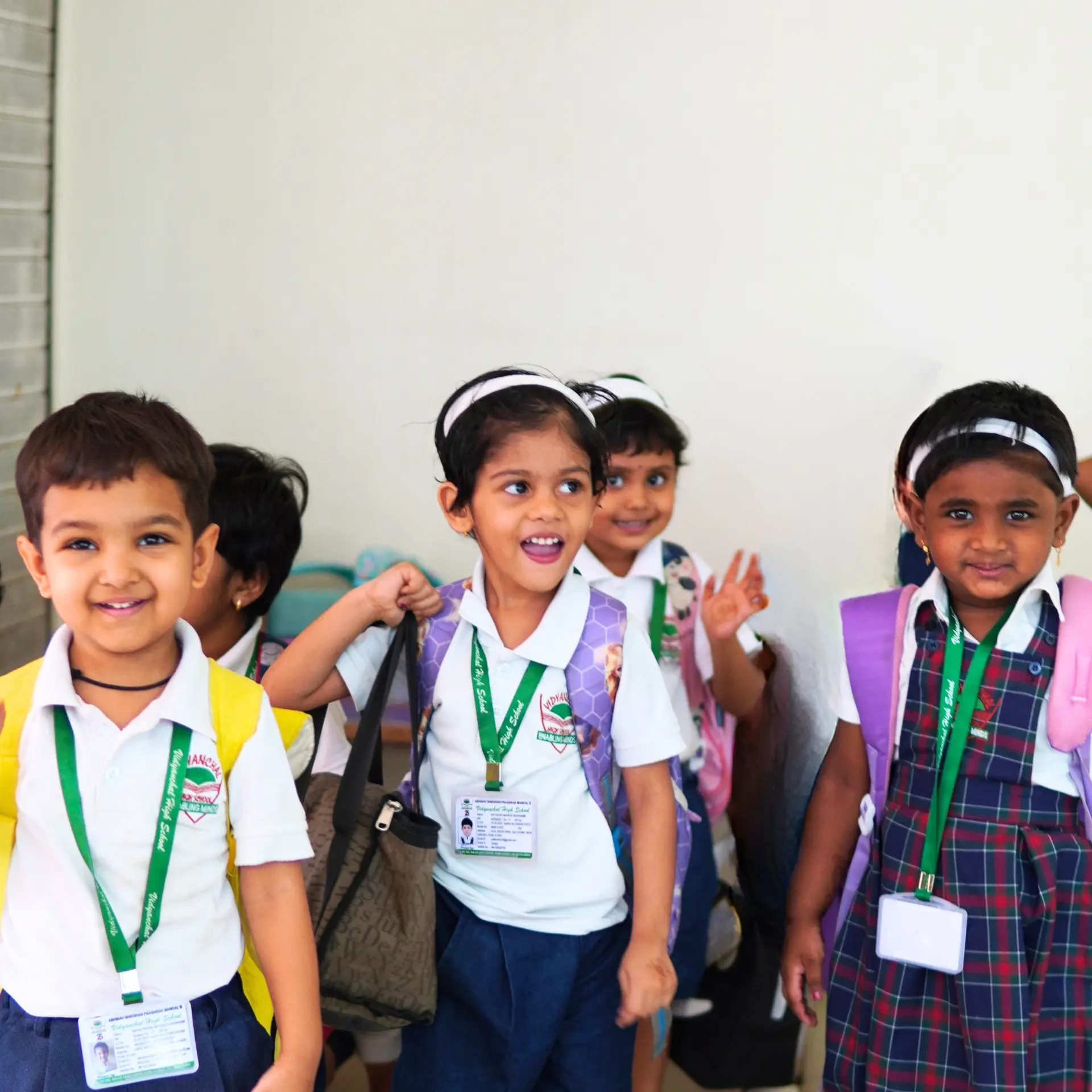
This is particularly important in the early years, when children are still developing communication skills and learning how to navigate relationships outside the home.
Rules Should Create Boundaries, Not Fear
Every school needs rules. The question is how those rules are communicated and enforced.
Effective discipline should help children understand consequences and develop responsibility rather than simply making them afraid of punishment.
A structured environment can teach students to:
- Respect other people
- Take responsibility for their actions
- Follow shared routines
- Resolve disagreements appropriately
- Understand boundaries
- Make better decisions independently
This creates an important distinction between control and structure.
Control focuses primarily on obedience. Structure gives children clear boundaries while helping them understand why those boundaries exist.
The First School Experiences Matter
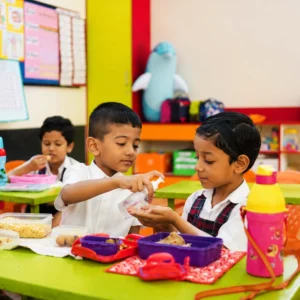
Young children need environments that combine clear routines with curiosity, encouragement and play. Explore Pre-Primary education at Vidyanchal High School.
Emotional Safety Matters Too
A child can be physically safe at school and still feel uncomfortable speaking, participating or making mistakes.
Emotional safety means students feel that they can:
- Ask for clarification without embarrassment
- Make mistakes without being ridiculed
- Share concerns with trusted adults
- Participate at their own pace when appropriate
- Be treated respectfully by teachers and peers
This matters because learning naturally involves mistakes.
A student who is afraid of giving the wrong answer may stop raising their hand. A child worried about being judged may avoid participating in activities. A student who does not know where to turn when facing a problem may simply remain silent.
A supportive environment makes it easier for children to remain engaged.
Structure Helps Children Become Independent
It may seem that structure limits independence, but the opposite can often be true.
Children need to understand routines before they can manage them independently. When expectations are clear, students gradually learn to organise their belongings, manage assignments, prepare for activities and take responsibility for their behaviour.
As children grow older, this structure can evolve.
Younger students may need more direct guidance. Older students can increasingly be expected to manage responsibilities themselves.
The goal is not permanent supervision. It is progressive independence.
Building Independence Through the Primary Years
As children move through Primary school, everyday routines can become opportunities to develop responsibility and confidence. Explore Primary education at Vidyanchal High School.
A Supportive School Notices More Than Marks
Academic performance is important, but it is not the only indicator of how a child is doing.
Teachers and schools can also pay attention to changes in participation, behaviour, friendships, confidence and engagement.
A child who suddenly stops participating may need encouragement. A student who becomes unusually withdrawn may need someone to check in with them. A child who repeatedly struggles with a particular routine may need additional guidance.
This does not mean schools should diagnose every change. It means adults should be attentive enough to notice when a student may need support.
Communication Builds Trust With Parents
A safe and supportive school environment also depends on communication between school and home.
Parents should have reasonable opportunities to understand how their child is progressing, both academically and as a member of the school community.
Good communication can help parents and teachers work together when a child needs additional encouragement or when a concern emerges.
Parents considering a school can ask:
- How does the school communicate with families?
- How are behavioural concerns addressed?
- Can students approach teachers when they need help?
- How are conflicts between students handled?
- How does the school encourage responsible behaviour?
- How are students supported when they struggle?
These questions can reveal more about a school culture than a brochure ever could.
Physical Spaces Should Support Learning and Safety
Infrastructure is still an important part of the equation.
Classrooms, laboratories, libraries, computer facilities, activity areas and common spaces should be maintained and organised in ways that allow students to learn comfortably and safely.
But infrastructure works best when combined with responsible supervision and thoughtful routines.
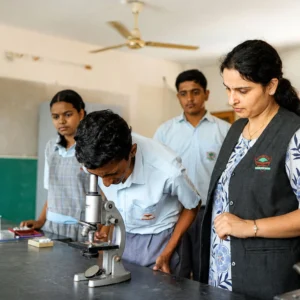
A modern laboratory, for example, is valuable not simply because the equipment exists, but because students can use it in an organised environment with appropriate guidance.
Learning Becomes More Complex With Age
As students enter the Secondary years, they need greater academic independence alongside clear expectations and guidance. Explore Secondary education at Vidyanchal High School.
Belonging Is Part of Feeling Safe
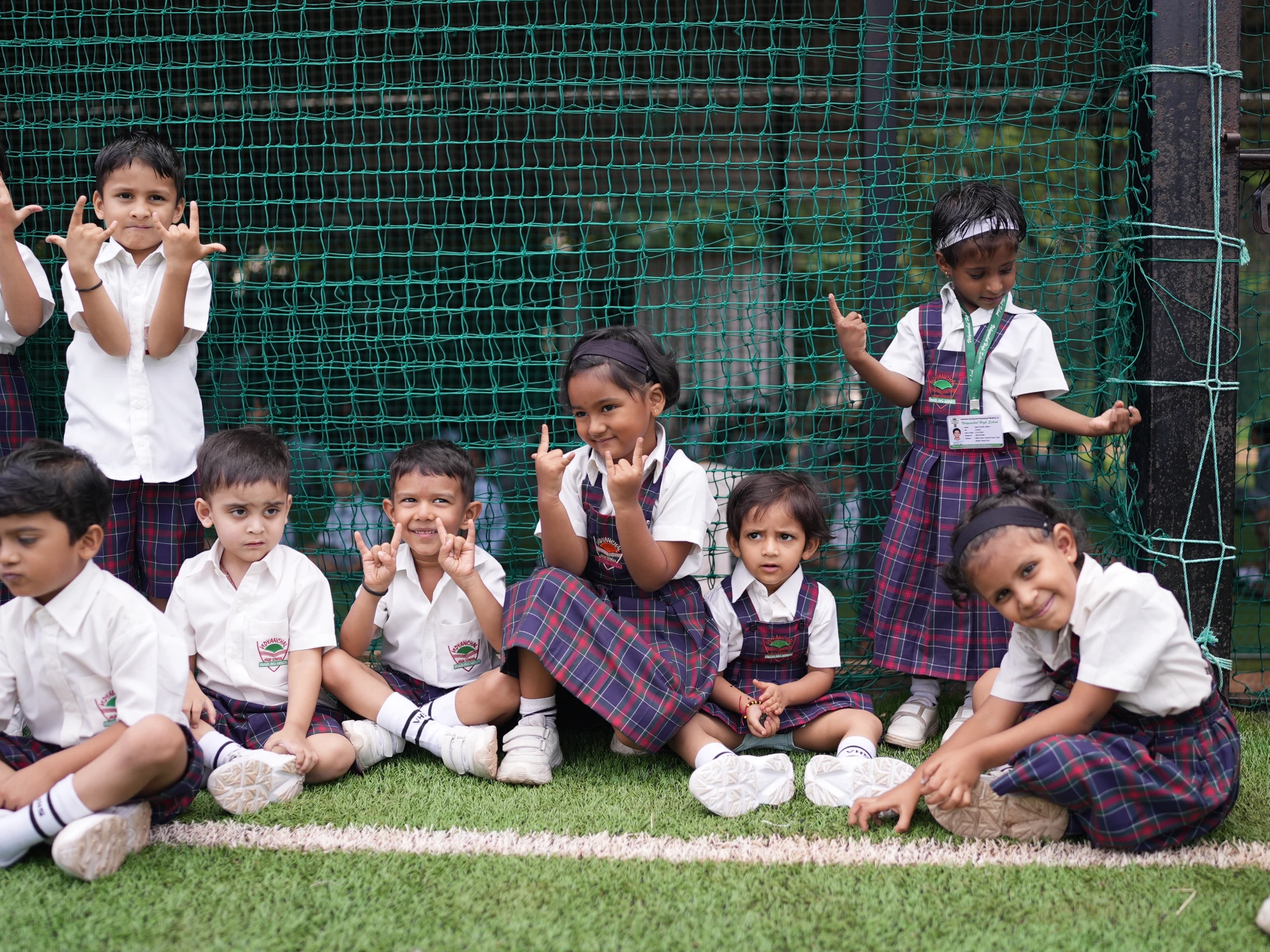
Children are more likely to feel comfortable in school when they feel that they belong there.
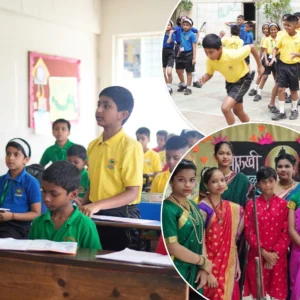
Belonging can develop through friendships, classroom participation, clubs, sports, performances, celebrations and shared school experiences.
This is one reason school life should extend beyond textbooks.
When students have opportunities to discover interests and contribute to the school community, they can develop connections that make the campus feel familiar and welcoming.
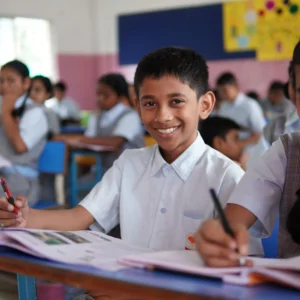
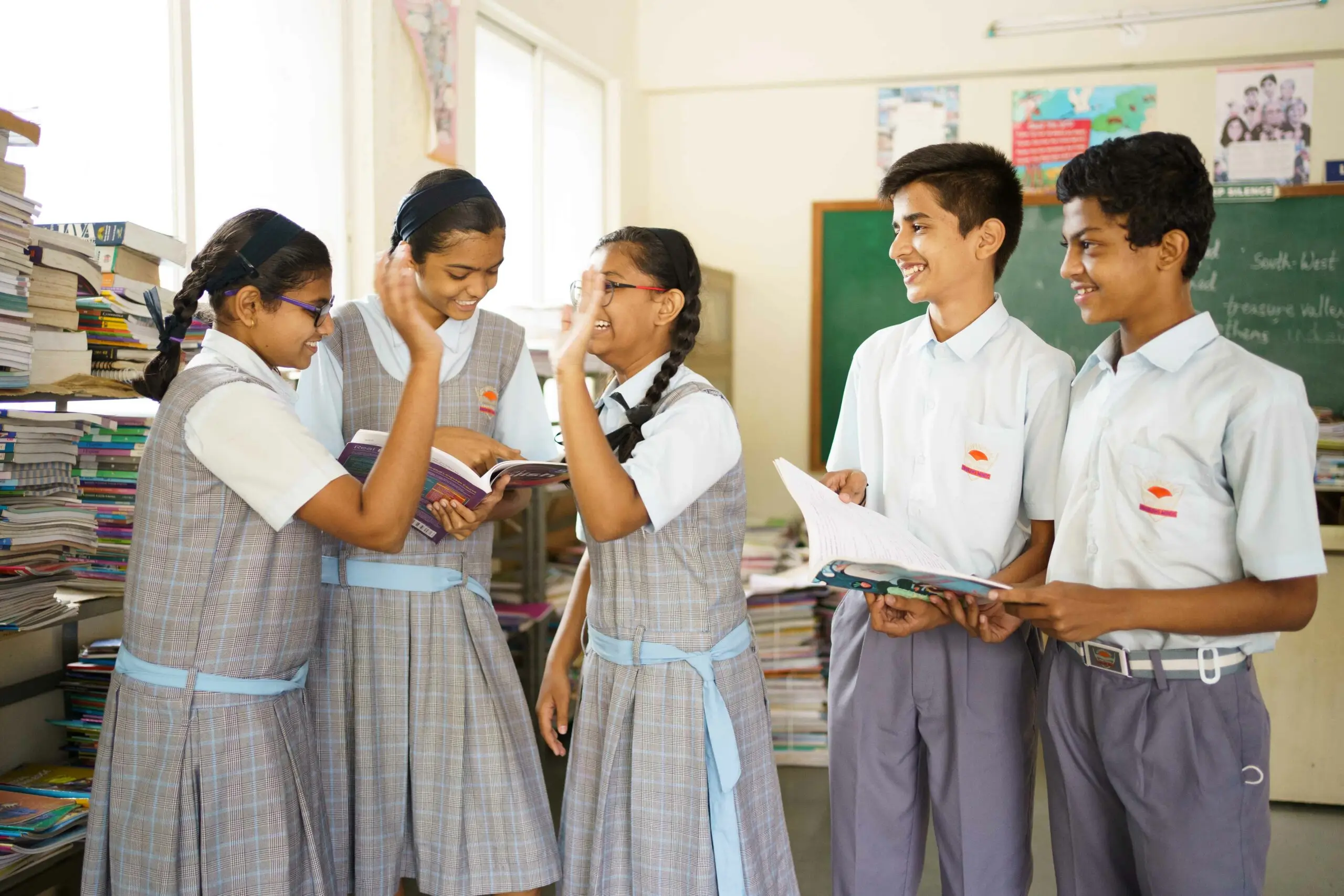
For parents, this is worth observing during a school visit. Do students appear comfortable interacting with teachers? Do they participate naturally? Does the campus feel organised without feeling intimidating?
Sometimes these small observations provide valuable insight.
What Parents Should Look For During a School Visit
When visiting a school, try to observe the environment rather than simply listening to the presentation.
Look for:
- Clear and organised routines
- Friendly but professional teacher-student interactions
- Well-maintained facilities
- Appropriate supervision
- Clear behavioural expectations
- Opportunities for students to ask for help
- Respectful communication
- Balanced academic and extracurricular opportunities
- Students who appear engaged and comfortable
Parents can also ask their child what they noticed after the visit. Children often pick up on aspects of an environment that adults overlook.
Creating a School Environment Where Children Can Thrive
A school feels safe when children know they are protected. It feels supportive when they know they can ask for help. And it feels structured when they understand what is expected of them.
These three qualities work best together.
Vidyanchal High School approaches education through a combination of academic learning, character development, creativity, problem-solving and holistic development. The aim is not simply to give students knowledge, but to help them grow into confident, responsible and independent individuals.
Ultimately, the right school environment should give children both security and space — security through clear boundaries and supportive relationships, and space to explore, participate, make mistakes and gradually become more independent.
School Is Also About Shared Experiences
Events, celebrations, competitions and performances give students opportunities to participate, collaborate and build confidence outside regular lessons. Explore the events and activities at Vidyanchal High School.
FAQs
1. What makes a school environment feel safe?
Clear routines, appropriate supervision, respectful relationships, well-maintained facilities and accessible adults all contribute to a sense of safety.
2. Why is structure important for children?
Structure gives children predictable routines and clear expectations, helping them gradually develop responsibility and independence.
3. What is emotional safety at school?
Emotional safety means students feel comfortable asking questions, making mistakes, seeking help and participating without fear of humiliation.
4. How can parents assess a school’s environment?
Visit the campus, observe teacher-student interactions, ask about discipline and communication, and speak with your child about how the environment felt to them.
5. Should discipline be strict in school?
Schools need clear boundaries, but effective discipline should ideally help children understand responsibility and consequences rather than rely only on fear or punishment.