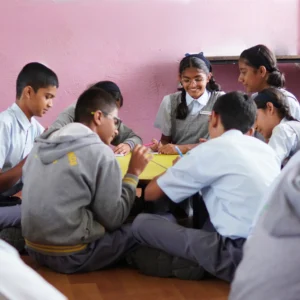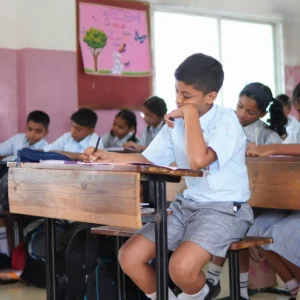
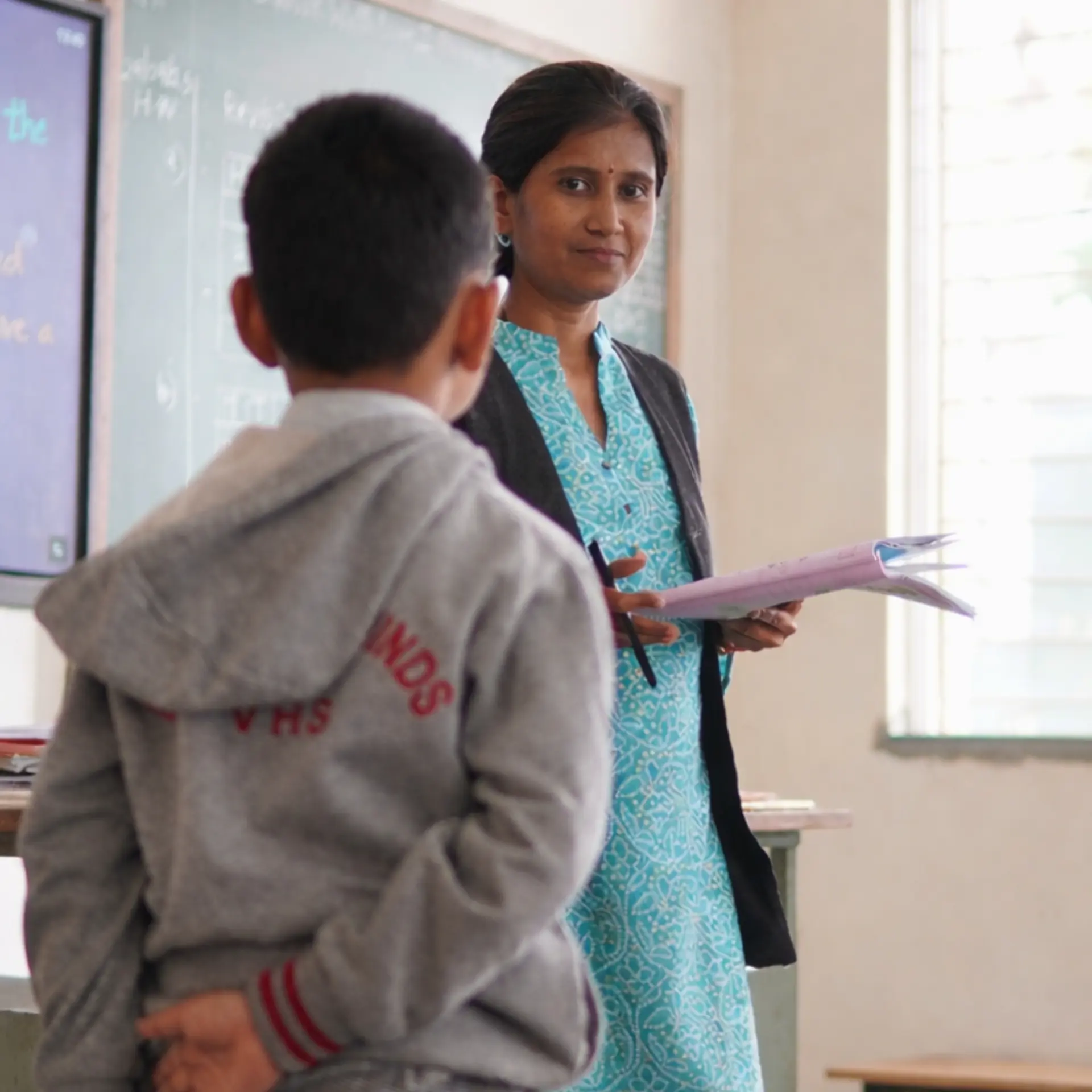
Tips for Students to Talk Confidently with Their Teacher are especially important during the school-going years, when children are still learning how to express doubts, opinions, and emotions in structured environments like classrooms.
For many parents in Pune and Aundh, this concern shows up quietly—children understand their lessons but hesitate to speak up, ask questions, or clarify confusion. Over time, this hesitation can affect not just academics, but confidence, independence, and emotional growth.
This blog explores why student–teacher communication matters, how confidence develops, and what parents should realistically look for as their child grows.
Why Confident Communication with Teachers Matters
Teachers are often the first authority figures outside the family that children interact with daily. Learning how to speak to them respectfully and clearly is a foundational life skill.
When students feel comfortable talking to teachers, they are more likely to:
- Ask questions when they don’t understand
- Seek help early instead of falling behind
- Share ideas without fear of being judged
- Build self-advocacy skills that last into adulthood
In Pune’s increasingly competitive academic environment, children who can communicate confidently often adapt better to new classrooms, subjects, and expectations.
Understanding Why Some Students Hesitate
Not all hesitation is a problem. For younger children especially, silence can simply mean they are observing and processing.
Common reasons students hesitate include:
- Fear of giving a wrong answer
- Worry about being judged by peers
- Feeling rushed in class
- Previous experiences of being corrected sharply
- Personality traits such as introversion
Parents in Aundh often notice that children speak freely at home but withdraw at school. This difference is normal. Confidence in formal settings takes time and guided exposure.
How Confidence Develops Across Age Groups
Confidence is not built overnight. It grows differently at each stage of childhood.
Ages 4–6: Learning to Speak Up
At this stage, children are still learning how classrooms work. Raising a hand, waiting for a turn, or speaking in full sentences can feel overwhelming.
Parents can expect:
- Short responses
- Reliance on non-verbal cues
- Hesitation in group settings
Gentle encouragement, not pressure, works best here.
Ages 7–10: Asking and Answering Questions
Children begin to compare themselves with peers. Confidence becomes closely tied to performance.
Students may:
- Ask questions privately instead of in class
- Avoid speaking unless sure of the answer
- Feel embarrassed about mistakes
This is where reassurance matters most.
Ages 11–16: Expressing Opinions and Concerns
Older students face academic pressure, evaluations, and social awareness.
They may struggle with:
- Clarifying doubts before exams
- Approaching teachers for feedback
- Discussing personal or academic challenges
Helping teenagers frame questions and conversations can significantly improve their confidence.
Practical Ways Students Can Build Confidence with Teachers
Confidence grows through small, repeatable actions rather than dramatic changes.
Preparing What to Say
Encourage students to think through their question or concern before approaching a teacher. Even mentally rehearsing a sentence can reduce anxiety.
This helps children feel more in control of the interaction.
Starting with One-on-One Conversations
Speaking after class or during quieter moments often feels safer than speaking in front of peers.
Once students succeed in these smaller interactions, classroom participation becomes easier.
Understanding That Questions Are Normal
Many children believe they are the only ones who don’t understand. Parents can remind them that questions often help the entire class.
Normalising doubt reduces fear.
Using Clear, Simple Language
Students don’t need perfect words. Teaching them to start with phrases like:
- “I didn’t understand this part…”
- “Can you explain this again?”
- “I tried, but I’m stuck here…”
Simple language builds clarity and confidence.
The Role Parents Play at Home
Parents don’t need to coach speeches or rehearse answers daily. What matters is the environment at home.
Children gain confidence when:
- Their questions are taken seriously
- They are allowed to make mistakes without criticism
- Conversations are not rushed or interrupted
In Pune’s busy schedules, even short daily conversations can reinforce that a child’s voice matters.
Parents can also guide children by asking reflective questions like:
- “What would you ask your teacher tomorrow?”
- “What part felt confusing today?”
This builds communication muscles naturally.
How Structured Environments Support Confidence
Confidence is easier to develop when children are exposed to structured yet supportive environments outside academics.
Schools and activity-based programs that focus on age-appropriate interaction, group participation, and guided instruction help children practise speaking with adults regularly.
At Vidyanchal School, structured learning environments are designed to help children grow not just academically, but emotionally and socially over time. Programs that emphasise guidance, patience, and progression often make it easier for students to carry confidence into classrooms.
You can explore how age-specific learning environments support communication through the school’s approach to student development and learning structure or by understanding the philosophy behind holistic child growth in education.
What Parents Should Avoid
While encouragement is helpful, certain approaches can unintentionally increase pressure.
Avoid:
- Forcing children to speak publicly before they are ready
- Comparing them with more outspoken peers
- Speaking to teachers on their behalf too often
Confidence grows when children feel trusted to handle conversations themselves, even if they stumble initially.
When to Pay Closer Attention
Occasional hesitation is normal. However, parents may want to observe more closely if a child:
- Avoids school discussions consistently
- Shows anxiety around teachers
- Struggles to express even simple concerns
In such cases, a collaborative approach involving parents, teachers, and support systems works best. Early guidance prevents long-term communication blocks.
Final Thoughts
Confident communication with teachers is a life skill that develops through time, trust, and consistent exposure. It is shaped by age, environment, and everyday interactions—not sudden changes or pressure.
For parents in Pune and Aundh, the goal isn’t to raise the loudest child in the room, but one who feels secure enough to speak when it matters. With patience, structure, and reassurance, students learn that their voice has value—and that asking for help is a strength, not a weakness.
When children feel heard, confidence follows naturally.