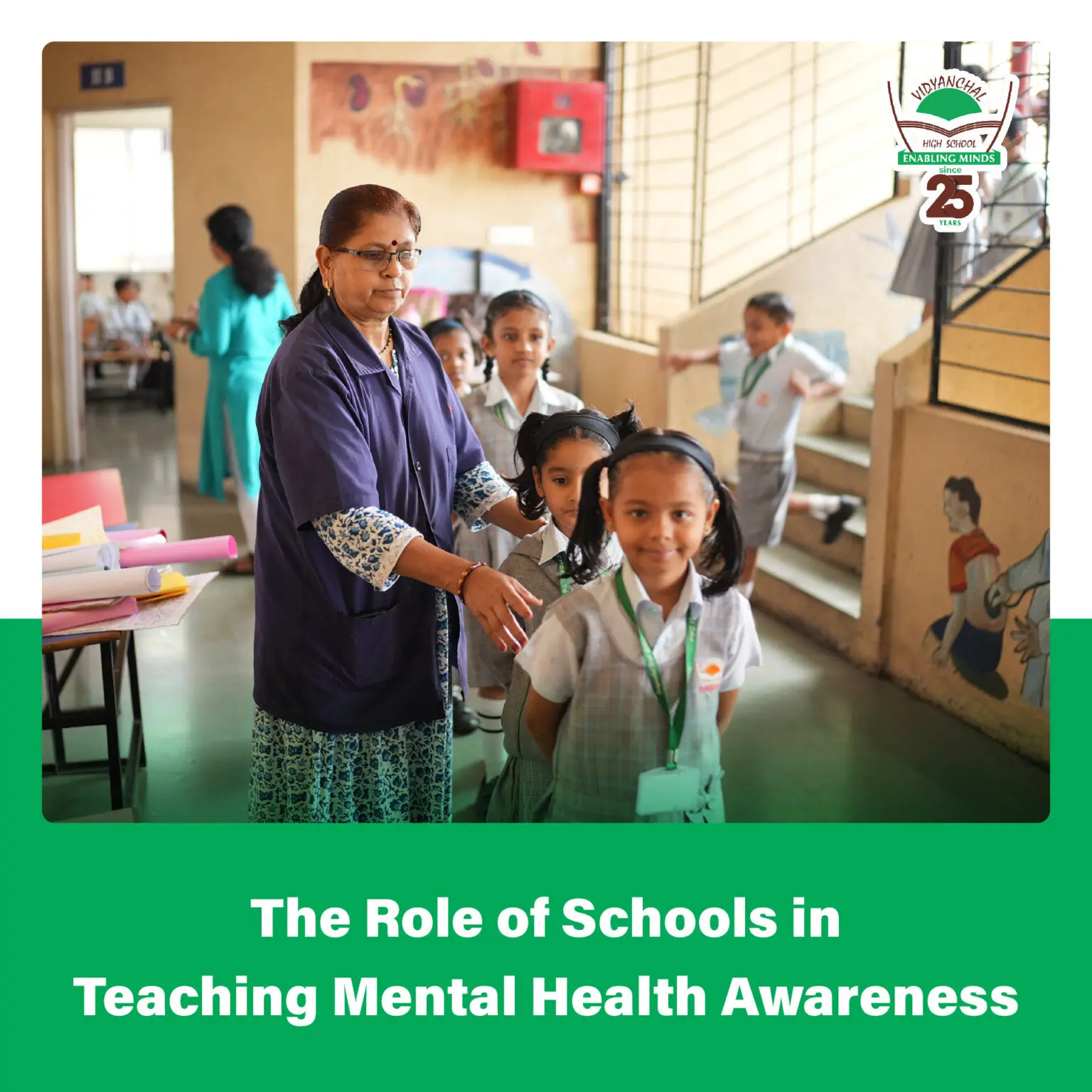
In recent years, conversations around mental health have gradually stepped out of the shadows in India.
As the first structured social environment for most children, schools play a crucial role in shaping not just intellectual development but emotional and psychological well-being too.
From celebrities sharing their struggles to awareness campaigns across platforms, there’s growing acknowledgment that mental health is just as important as physical well-being. But one area that still holds immense untapped potential in this regard is our schools.
By actively incorporating mental health awareness into their framework, schools in India can build resilient, emotionally intelligent future citizens.
Why Mental Health Awareness in Schools Matters
In India, the pressure on students begins early. Competitive exams, expectations from family, social comparison, bullying, and now even screen addiction and social media stress have become part of their reality.
According to the World Health Organization, India has one of the highest suicide rates among youth globally, and a significant number of mental health disorders begin before the age of 14.
Despite this, mental health education is still often missing in schools. A focus on academic performance dominates, with emotional needs pushed to the backburner. But things are slowly changing, and it’s time to push that change forward.
Let’s explore how schools can be the cornerstone of mental health awareness.
1. Building Emotional Intelligence from an Early Age
Teaching students to identify, express, and manage emotions helps them grow into emotionally healthy individuals. Emotional intelligence (EQ) is a core life skill and is just as important as IQ.
What Schools Can Do:
- Introduce emotional vocabulary in early grades- let children name their feelings.
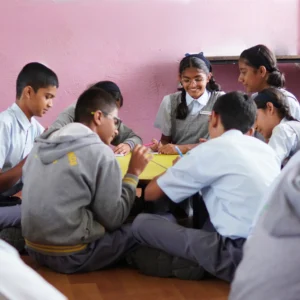
- Include regular activities like circle time, where students share how they feel.
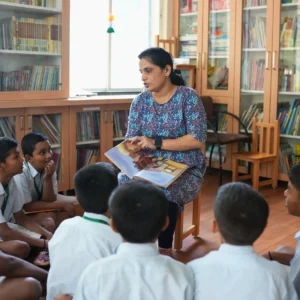
- Use storytelling, role-play, and art to help younger children explore emotions.
In Indian settings, where children are often told to “be strong” or “stop crying,” this kind of early education breaks the taboo around emotional expression.
2. Creating Safe and Non-Judgmental Spaces
Many Indian students grow up with the belief that mental health struggles are something to hide. Teachers, parents, and peers may unknowingly reinforce stigma. Schools must actively work to create environments of trust and acceptance.
Key Steps:
- Train teachers to recognize signs of distress like withdrawal, aggression, or unusual silence.
- Appoint counsellors and make them approachable- not just for “problem kids” but for all students.
- Promote peer-support groups where students can talk without fear of being judged.
A school culture that normalizes asking for help can be a student’s first line of defense against mental health issues.
3. Curriculum Integration of Mental Health Topics
Mental health education shouldn’t be a one-off workshop or an optional session. It should be part of the curriculum, adapted to age and context.
What Can Be Included:
- Lessons on self-esteem, empathy, stress management, and resilience.
- Modules on mindfulness, relaxation techniques, and digital wellness.
- Stories or chapters in Hindi, English, or Moral Science textbooks that deal with mental health themes.
India’s NEP 2020 (New Education Policy) has acknowledged the need for life skills and socio-emotional learning. It’s the right time for schools to implement these ideas practically.
4. Training and Supporting Teachers
Often, teachers are the first to notice changes in a student’s behavior- but they may not be equipped to respond effectively.
Schools Should:
- Conduct mental health first aid training for all staff.
- Encourage teachers to model healthy emotional behaviors, such as asking for help or admitting stress.
- Provide support structures for teachers too- a stressed teacher cannot support a stressed child.
When teachers are sensitized to emotional health, they become more empathetic educators, and the entire classroom dynamic improves.
5. Parental Involvement in Mental Wellness
In Indian families, parents are often more comfortable discussing grades than emotions. Schools can serve as bridges between mental health education and home environments.
Ways to Involve Parents:
- Organize mental health awareness workshops in local languages.
- Share simple self-care tips and observation checklists for parents to spot signs of anxiety or depression.
- Encourage open dialogue between parents and children at home.
A school’s efforts will be much more effective if mental health conversations are reinforced at home.
6. Using Technology Mindfully
Digital tools can be both a boon and a bane. Students today are growing up with screen exposure like never before. While online learning has its advantages, the negative impact on sleep, attention span, and anxiety is becoming evident.
Schools Can:
- Educate students on healthy screen time habits.
- Implement “digital detox” days or limited screen hours.
- Use apps and tools designed for mindfulness and emotional check-ins.
Digital literacy must include awareness of how technology affects mental well-being.
7. Celebrating Mental Wellness Days
Make mental health visible and celebrated in school culture, just like annual sports day or Independence Day.
Ideas include:
- Mental Health Week with fun activities like art therapy, yoga, or gratitude journaling.
- Student-led campaigns on self-love, anti-bullying, or kindness.
- Poster-making, essay writing, or storytelling competitions themed around mental health.
When students see mental health represented in positive and creative ways, it reduces shame and encourages participation.
8. Normalizing Counselling and Therapy
In many Indian schools, counsellors are under-utilized or only consulted in extreme cases. Students may hesitate to approach them, fearing judgment or gossip.
To change this:
- Introduce counsellors at the beginning of the year, like other faculty members.
- Allow students to book appointments anonymously or during free periods.
- Share success stories (fictional or anonymized) of how counselling helped students.
Make therapy a sign of strength, not weakness.
9. Addressing Bullying Proactively
Bullying can leave lasting emotional scars. It’s often brushed off in Indian schools as “just teasing” or “boys will be boys.” But its impact is real.
What Schools Must Do:
- Create a clear anti-bullying policy, with fair consequences and restorative practices.
- Educate students on different types of bullying– physical, verbal, emotional, and cyber.
- Empower bystanders to speak up and support victims.
A school free of bullying is a school where mental health can thrive.
10. Adapting to Cultural Sensitivities
Mental health education in India must consider the cultural diversity and socio-economic realities of students. One size does not fit all.
- Use vernacular languages and relatable examples.
- Respect religious and traditional beliefs while advocating for science-backed mental health practices.
- Address issues specific to urban or rural contexts, like academic pressure in cities or isolation in remote areas.
An inclusive approach ensures that no child feels left out of the conversation.
A Brighter, Healthier Future
In a fast-changing, competitive world, mental resilience is no longer a luxury- it’s a necessity. And the foundation for that resilience must be laid in our schools.
By teaching mental health awareness, schools in India can empower children not just to survive but to thrive.
When students are taught to value their emotions, seek help when needed, and extend kindness to themselves and others, they grow into well-rounded, compassionate individuals.
It’s not about adding another subject to the timetable- it’s about changing the culture of education. Because the mind is not a distraction from learning- it’s where learning begins.
FAQ’s
- Should mental health be a separate subject in Indian schools?
Not necessarily. Mental health topics can be integrated into existing subjects like Life Skills, Moral Science, or even Language classes through stories and discussions. - Are there government guidelines for mental health in schools?
Yes, the NEP 2020 emphasizes holistic development, including socio-emotional learning. CBSE has also released advisories and helplines for student wellness. - Can small rural schools also promote mental health awareness?
Absolutely. With basic teacher training, storytelling, group discussions, and local-language content, even resource-limited schools can make a difference. - How early should mental health education begin?
Ideally, from pre-primary levels. Concepts like kindness, sharing feelings, and self-awareness can be introduced in age-appropriate ways even in early childhood. - What role can school counsellors play beyond one-on-one therapy?
They can conduct workshops, train teachers, create peer programs, work with parents, and advocate for a school-wide culture of wellness.