In today’s fast-paced, digitally driven world, listening has quietly become a lost art. While we teach children to read, write, and speak effectively, the ability to truly listen — to pay attention, comprehend, and respond with empathy — often takes a back seat. Yet, active listening is one of the most powerful skills a student can develop. It enhances learning, builds strong relationships, and nurtures emotional intelligence.
At Vidyanchal School, active listening is not treated as a soft skill — it’s a superpower that supports academic excellence, teamwork, and holistic development across both classroom and co-curricular settings.
What Is Active Listening?
Active listening goes beyond hearing words. It’s about engaging with meaning — focusing on what’s being said, understanding the intent behind it, and responding thoughtfully. Psychologist Carl Rogers described it as listening with the intent to understand, not to reply.
In an age where distractions are constant — from buzzing smartphones to multitasking — teaching children to focus and process information deeply can feel like a challenge. But it’s a skill that directly impacts learning outcomes. According to a 2023 UNESCO report, students who demonstrate higher listening comprehension show up to 25% better academic performance across literacy and science subjects.
Why Listening Matters in Learning
When students listen actively, they’re not just absorbing information — they’re interpreting, questioning, and connecting it with prior knowledge. This deeper engagement enhances retention and creativity.
A Stanford University study (2022) found that learners who practiced active listening in collaborative discussions performed 32% better in comprehension tests than those who passively attended classes. It’s clear that understanding is not just about what’s said, but how it’s received.
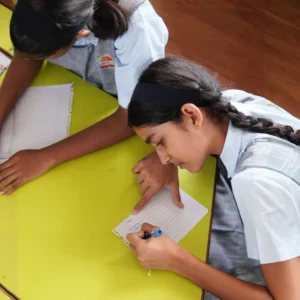
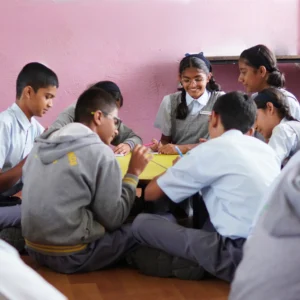
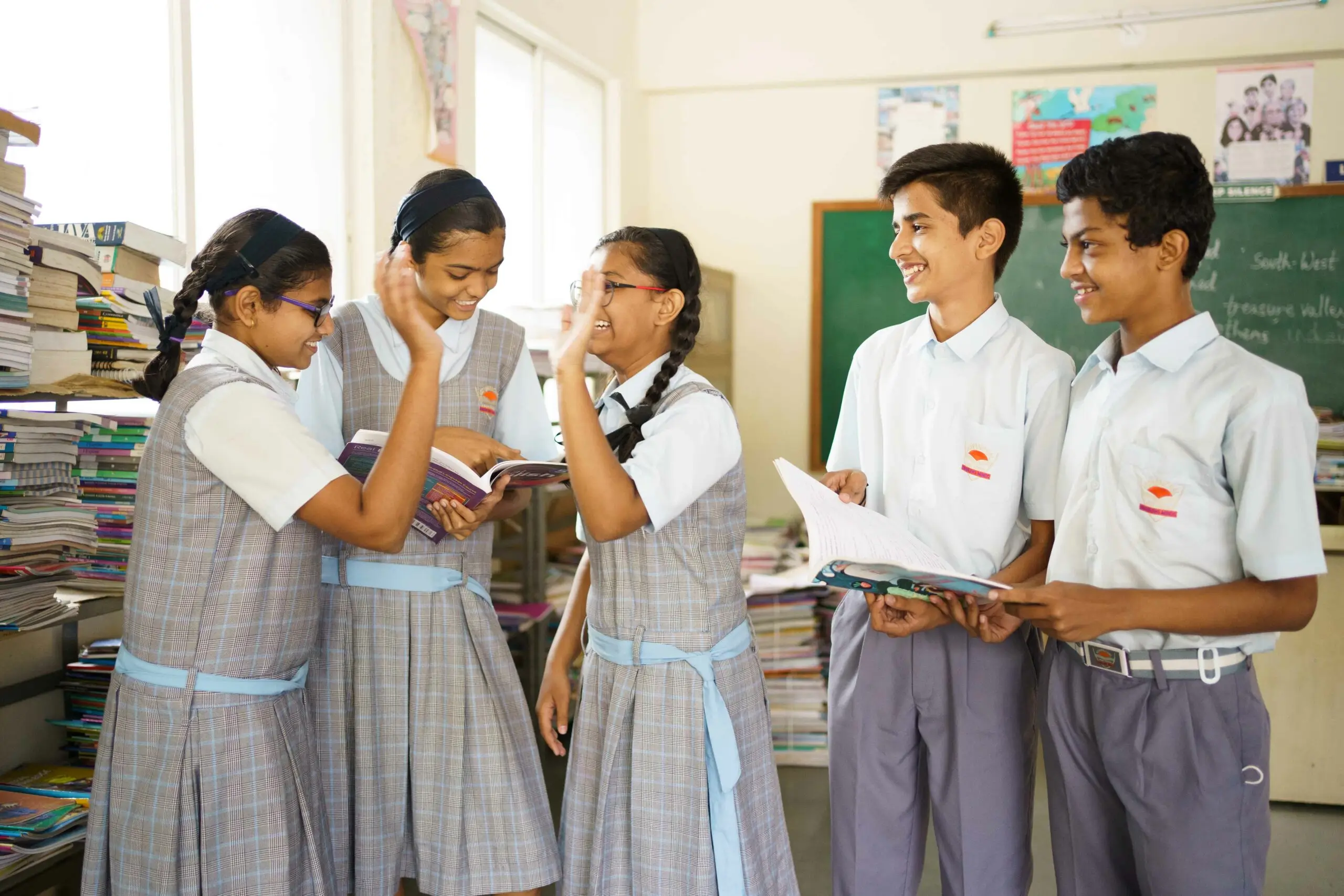
At Vidyanchal School, teachers use listening-driven activities across grades — from storytelling circles in the primary years to group debates and reflection sessions in senior grades — to strengthen comprehension, focus, and empathy.
The Emotional Side of Listening
Beyond academics, listening fosters emotional awareness. When students feel heard — whether by peers or teachers — they develop trust and confidence. This sense of belonging improves classroom participation and behavior.
Emotional learning experts at the Collaborative for Academic, Social, and Emotional Learning (CASEL) emphasize that students who practice active listening show 20–25% fewer classroom conflicts and demonstrate stronger empathy skills.
Vidyanchal’s holistic education framework ensures that these emotional cues are not overlooked. During group discussions, role plays, or even art-based reflections, children learn to pause, observe, and understand perspectives — skills that prepare them for both personal and social success.
How Vidyanchal School Cultivates Active Listeners
At Vidyanchal, listening is taught by doing, not dictating. Every activity is designed to develop awareness and response — from early years to middle school.
Here’s how it’s woven into the school culture:
- Interactive Classrooms:
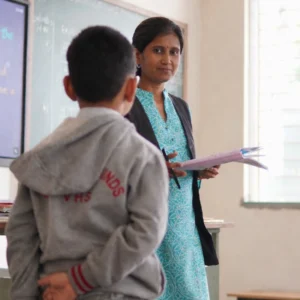
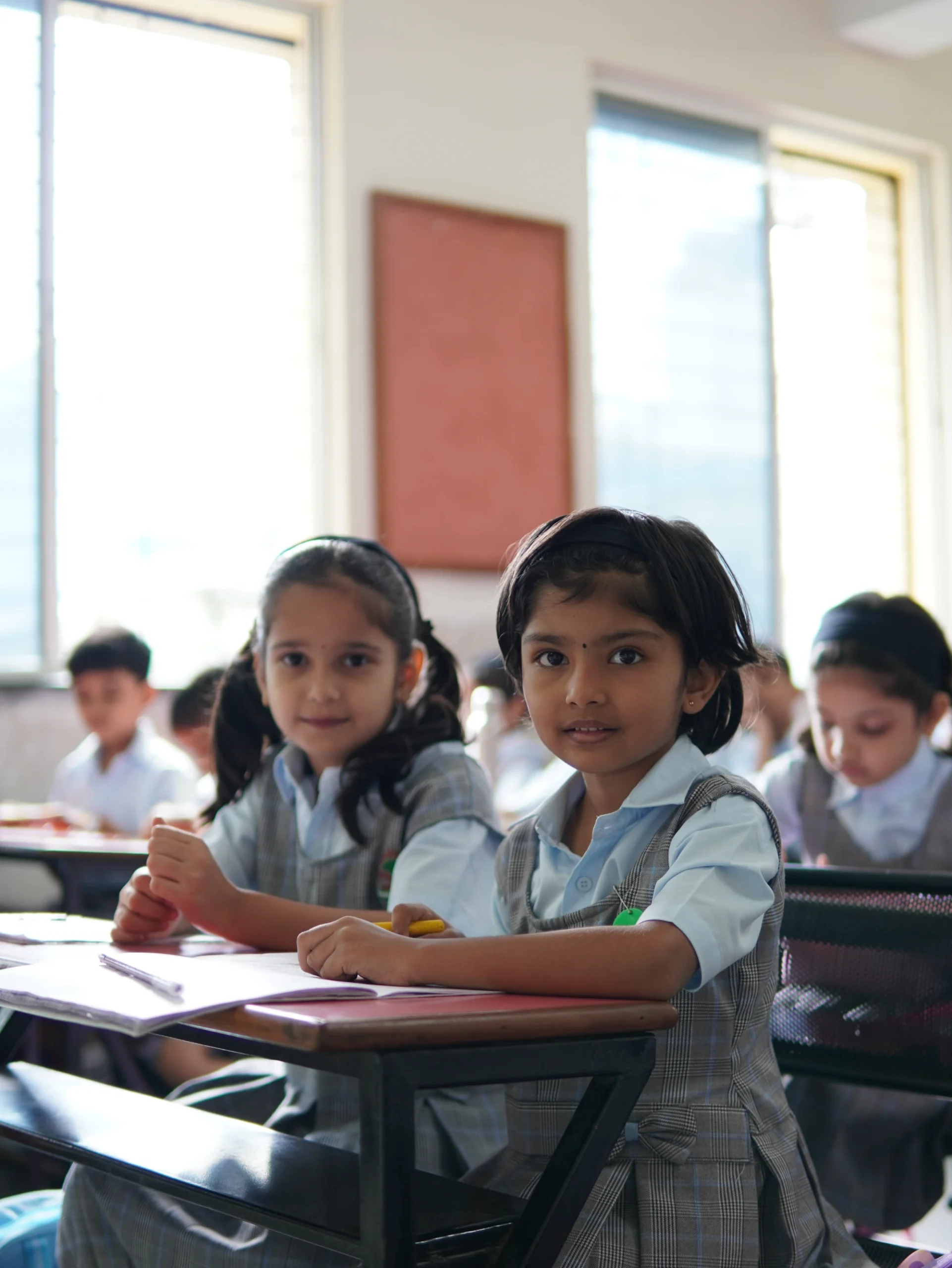
Teachers at Vidyanchal use questioning and dialogue-based teaching rather than one-way lectures. Students are encouraged to interpret, respond, and even challenge ideas — fostering active engagement. - Drama and Role Play:
Theatre helps students step into others’ shoes, improving empathy and listening to emotional cues. Drama activities are a key part of Vidyanchal’s co-curricular learning, where children learn not just to speak, but to respond mindfully. - Sports as a Listening Lab:
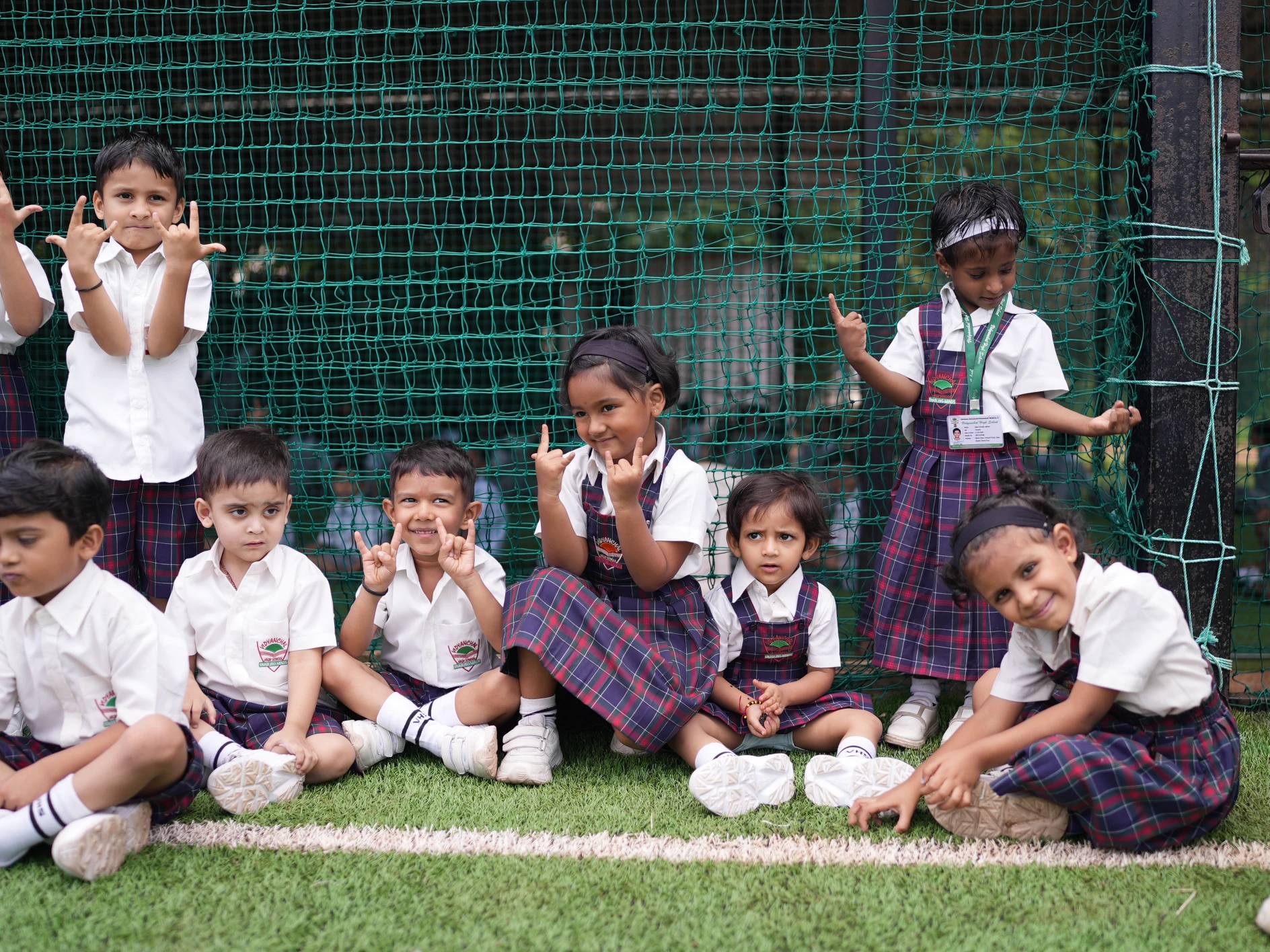
In sports, listening to instructions, signals, and teammates builds real-time decision-making and cooperation. Vidyanchal’s focus on athletics makes this a natural, enjoyable setting for developing attentiveness and teamwork. - Circle Time and Peer Reflection:
During circle time, students share feelings or opinions while others listen without interruption. It teaches patience, empathy, and presence — the foundations of emotional intelligence. - Art and Music Integration:
Activities like rhythm exercises or collaborative art projects build concentration and non-verbal listening skills. Children learn to sense harmony, timing, and emotional tone — valuable skills in both academics and life.
Active Listening in the Digital Age
With technology shaping communication, students today must navigate a world where distractions are endless. According to a Common Sense Media (2024) report, teens spend an average of 7 hours and 22 minutes daily on screens, excluding homework time.
This constant engagement makes it harder to stay present during lessons or conversations. That’s why digital mindfulness is becoming essential. Vidyanchal integrates awareness programs to help students recognize when to tune out noise and tune in to meaningful interaction.
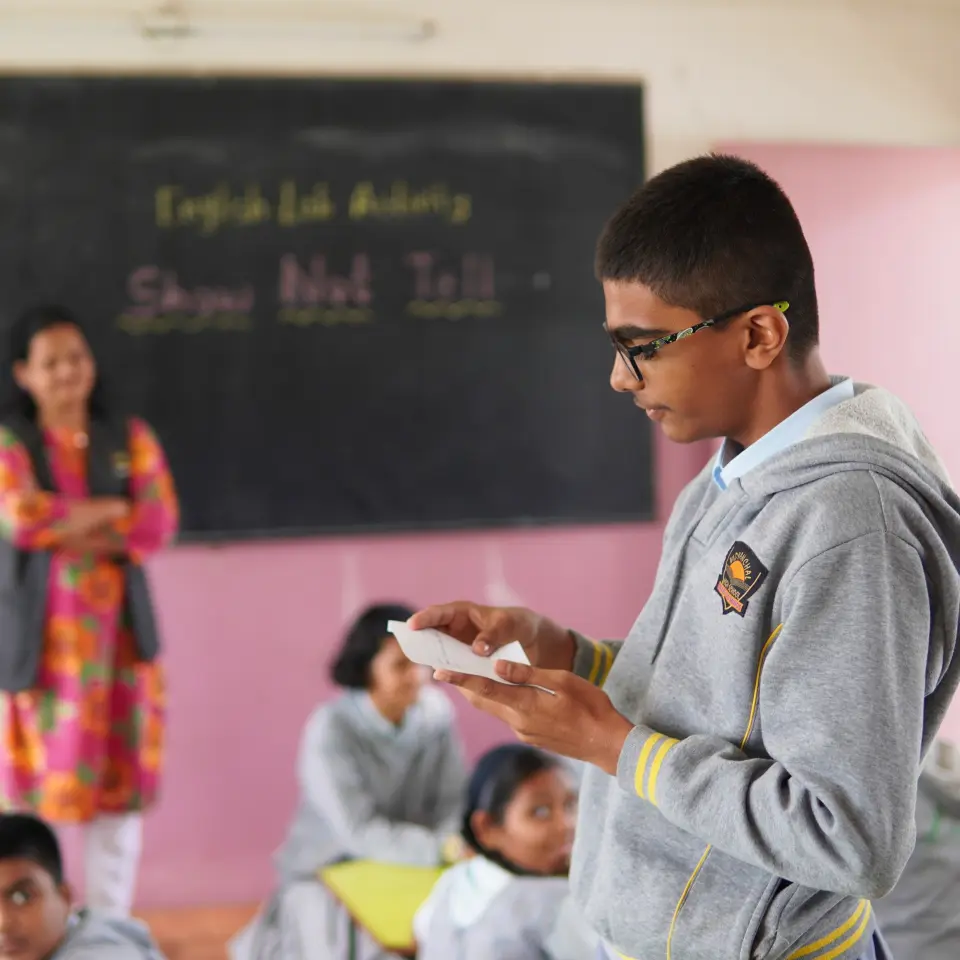
Teachers use techniques like “pause and paraphrase”, where students repeat key points after listening, ensuring comprehension and presence.
Benefits That Go Beyond the Classroom
Active listening doesn’t just improve grades — it builds essential life skills:
- Better Relationships: Students who listen well develop empathy and patience, strengthening peer and teacher bonds.
- Improved Critical Thinking: By processing what’s said before reacting, learners make better judgments.
- Enhanced Communication: Listening nurtures thoughtful speaking — a vital skill in leadership and teamwork.
- Self-Regulation: Attentive students are often calmer, more self-aware, and better equipped to handle stress.
A 2024 Education World India survey found that schools emphasizing communication and listening-based learning observed a 28% increase in student participation and 35% improvement in classroom discipline.
Vidyanchal’s consistent focus on balanced development — academics, sports, and arts — reinforces these skills across all learning environments.
How Parents Can Encourage Active Listening at Home
Active listening isn’t limited to classrooms. Parents play a crucial role in modeling it. Here are some effective ways to nurture it:
- Listen without interrupting: When children share stories or thoughts, pause and let them finish.
- Ask open-ended questions: Instead of “Did you like school today?”, ask “What was the most fun or challenging thing you did today?”
- Encourage reflection: After reading or watching something, discuss interpretations and lessons learned.
- Set device-free zones: Designate screen-free times at home for face-to-face conversation.
When parents and teachers model active listening together, children internalize respect, patience, and empathy — qualities that go far beyond textbooks.
The Vidyanchal Way Forward
At Vidyanchal School, learning goes beyond subjects — it’s about preparing students to understand and connect with the world around them. Active listening forms the heart of this approach. Whether in academics, arts, or sports, students are encouraged to pause, process, and respond thoughtfully — a vital life skill in a noisy, fast-moving world.
In a time when attention spans are shrinking, the ability to listen deeply is nothing short of a superpower. And at Vidyanchal, every child is being trained to use it — not just in the classroom, but for life.