
The headlines today make it clear: climate change, pollution, and resource depletion are no longer distant threats—they are realities shaping the world our children will inherit. According to a UNICEF report (2021), nearly 1 billion children globally are at “extremely high risk” from the impacts of climate change. In India, where rapid urbanisation and environmental pressures collide, preparing the next generation to be environmentally conscious and responsible citizens is no longer optional—it is essential.
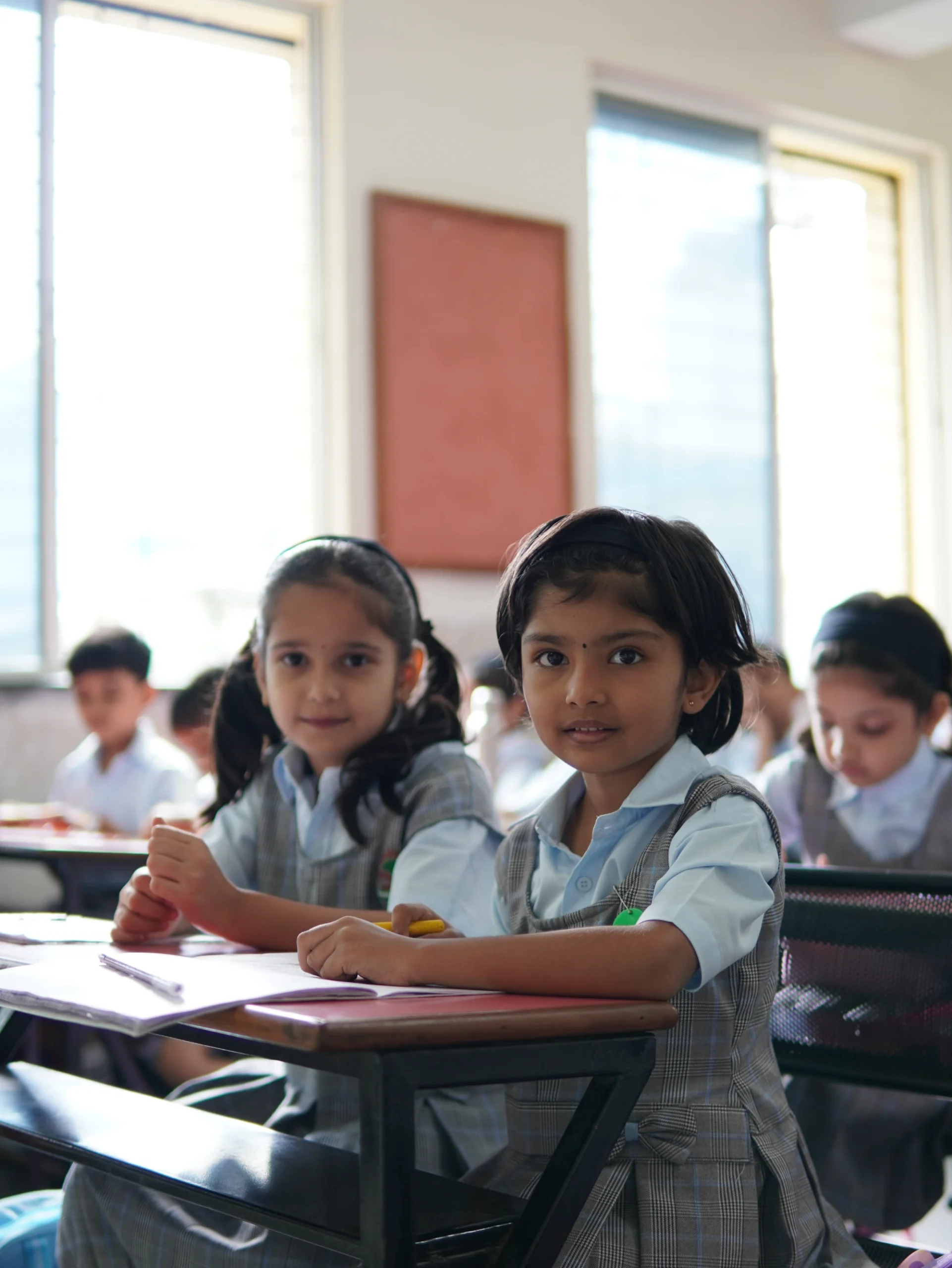
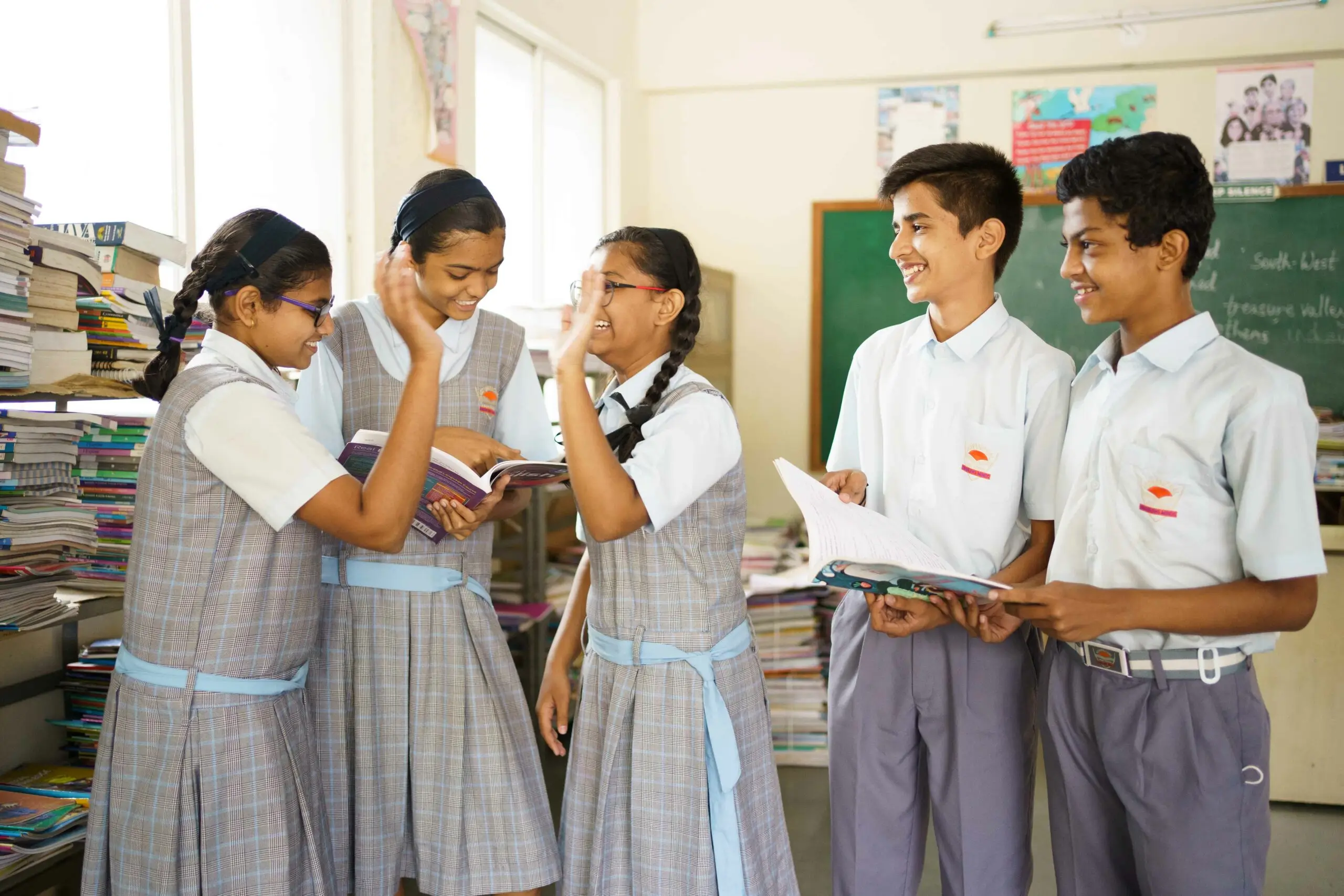
At Vidyanchal High School (VHS), the belief is simple: a greener tomorrow begins with the lessons children learn today. By blending academics, sports, and arts with environmental education, VHS ensures its students grow into not just achievers, but responsible stewards of the planet.
Why Children Must Be at the Heart of the Green Movement
Children today are Generation Alpha—the first to grow up fully in the digital age, but also the generation most affected by environmental shifts. By 2050, India’s urban population is expected to reach 814 million (World Bank, 2023), and resources like clean water and green spaces will become even more critical.
The good news? Children are natural change-makers. When empowered with awareness and tools, they influence not only their peers but also their families and communities. Teaching eco-consciousness in schools plants the seeds for lasting, intergenerational change.
How Schools Like VHS Foster Eco-Awareness
1. Curriculum Integration
Environmental science at VHS is not limited to textbooks. Lessons extend to hands-on projects—from studying local biodiversity to building models of sustainable cities. Research shows that experiential learning improves retention by 75%, compared to rote methods.
2. Sports and Outdoor Learning
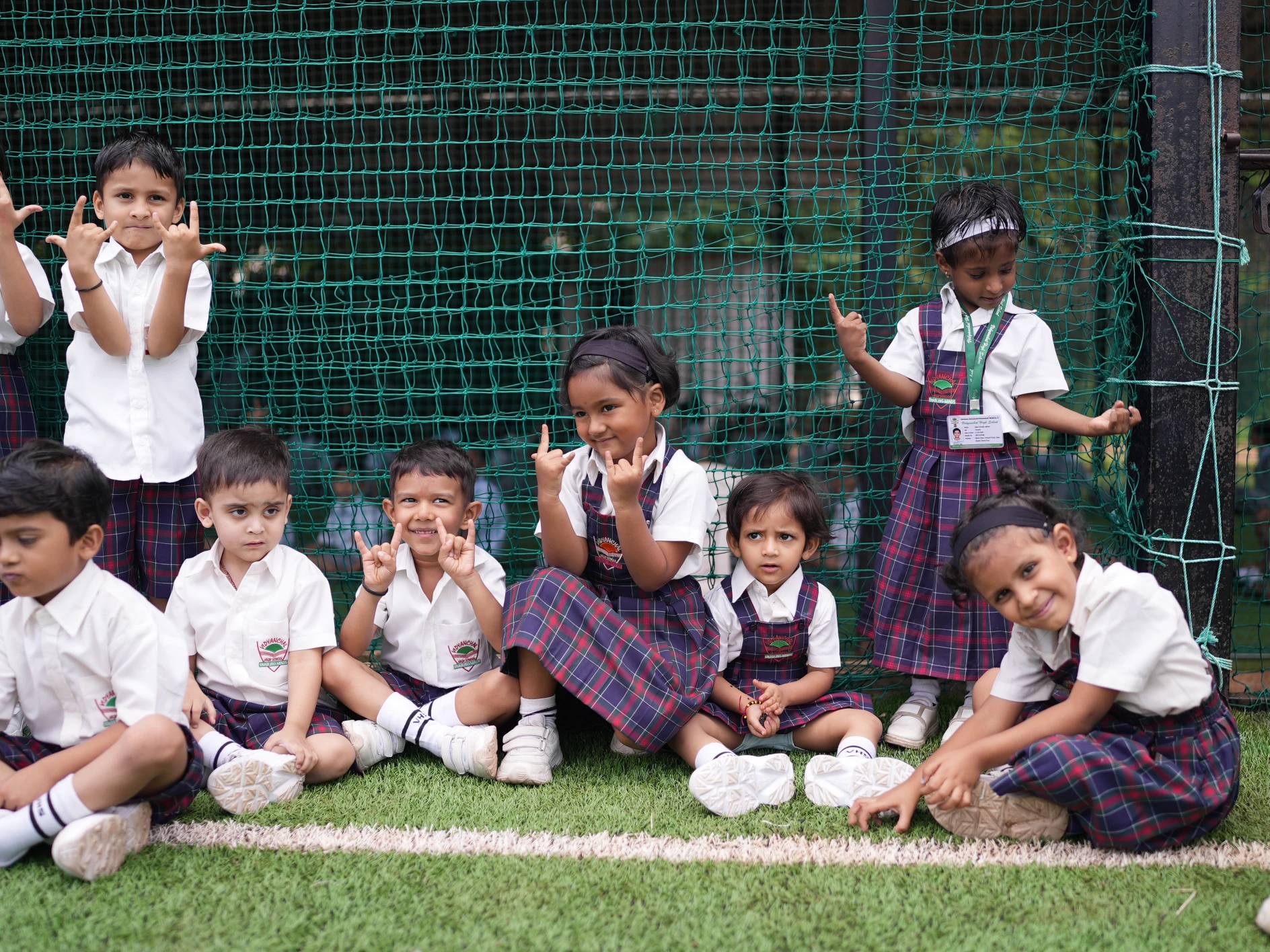
By making sports a core part of education, VHS gives children direct interaction with the outdoors. Whether it’s football practice on the field or skating under open skies, students learn to appreciate and value natural spaces. Outdoor exposure is proven to reduce stress by 21% (American Psychological Association, 2022), while deepening environmental empathy.
3. Arts for Environmental Expression
From painting murals on conservation themes to performing plays about climate change, VHS uses the arts to help students express environmental concerns creatively. The arts make abstract issues personal, ensuring students not only understand but also feel responsible for ecological challenges.
4. Eco-Clubs and Campaigns
Students at VHS actively participate in tree plantation drives, waste segregation programs, and awareness campaigns. Research by the Centre for Environmental Education (India) suggests that participation in school-led environmental clubs can increase sustainable behaviours at home by 35%.
The Role of Parents in Raising Green-Conscious Children
Schools cannot do it alone. Parents are essential allies in shaping eco-friendly habits. Simple steps at home can reinforce lessons learned at school:
- Practice waste segregation and involve children in recycling routines.
- Choose sustainable transport—like cycling or walking short distances.
- Limit plastic use by switching to reusable bottles and bags.
- Celebrate eco-friendly festivals with reduced waste and natural decorations.
When children see parents practising what schools preach, the message becomes far more powerful.
Why Effort Matters More Than Perfection
It’s easy to feel overwhelmed by the scale of environmental challenges. But teaching children that every small action matters is vital. Planting one tree, conserving one bucket of water, or reducing one hour of electricity usage may seem small—but multiplied across millions, these actions become movements.
At VHS, students are encouraged to celebrate small green wins—like leading an energy-saving campaign in class or inspiring their neighbourhood to reduce plastic waste. These victories fuel motivation and demonstrate that change is achievable.
Quotes That Resonate
- “We do not inherit the Earth from our ancestors; we borrow it from our children.” – Native American Proverb
- “The greatest threat to our planet is the belief that someone else will save it.” – Robert Swan
These words highlight why children must be empowered now—not tomorrow—to lead the sustainability movement.
The Bigger Picture: India’s Green Goals and Children’s Role
India has pledged to reach net-zero carbon emissions by 2070 (COP26 commitment). Achieving this will require not only policy and technology but also a generation of environmentally responsible citizens.
NEP 2020 emphasises value-based and experiential education, including sustainability themes. This aligns perfectly with VHS’s approach, which already places holistic, eco-conscious learning at the core of its mission.
Practical Steps for a Greener Tomorrow
For Schools (like VHS):
- Create green campuses with solar panels, rainwater harvesting, and eco-friendly infrastructure.
- Include sustainability in every subject, not just environmental science.
- Organise eco-fairs and exhibitions where students showcase sustainable innovations.
For Parents:
- Involve children in sustainable decisions, like choosing energy-efficient appliances.
- Encourage outdoor family activities like trekking or gardening, which build love for nature.
- Limit unnecessary screen time and promote green hobbies like cycling or birdwatching.
For Students:
- Start small: reduce, reuse, recycle.
- Be ambassadors for eco-awareness in their communities.
- Innovate: use technology and creativity to design greener solutions.
VHS: A School Rooted in Green Values
At Vidyanchal High School, preparing for a greener tomorrow isn’t a side project—it’s integral to the school’s ethos.
- Through classroom integration, outdoor activities, sports, and creative expression, VHS ensures students grow up with a strong connection to nature.
- By actively involving parents in sustainability initiatives, the school builds a supportive community where eco-values thrive at home and in classrooms alike.
- With its holistic philosophy that balances academics, sports, and the arts, VHS raises children who are not only knowledgeable but also responsible, compassionate, and future-ready.
Final Thoughts
Preparing children for a greener tomorrow is not about perfection—it’s about awareness, responsibility, and collective effort. Schools like VHS show that when education is holistic, experiential, and environmentally conscious, children grow into changemakers who care for the planet as much as for themselves.
The future belongs to today’s learners. By teaching them to value effort, embrace sustainability, and act responsibly, we can ensure that the greener tomorrow we dream of becomes the reality they live in.